Ghazal of the Night
Published on March 9, 2026
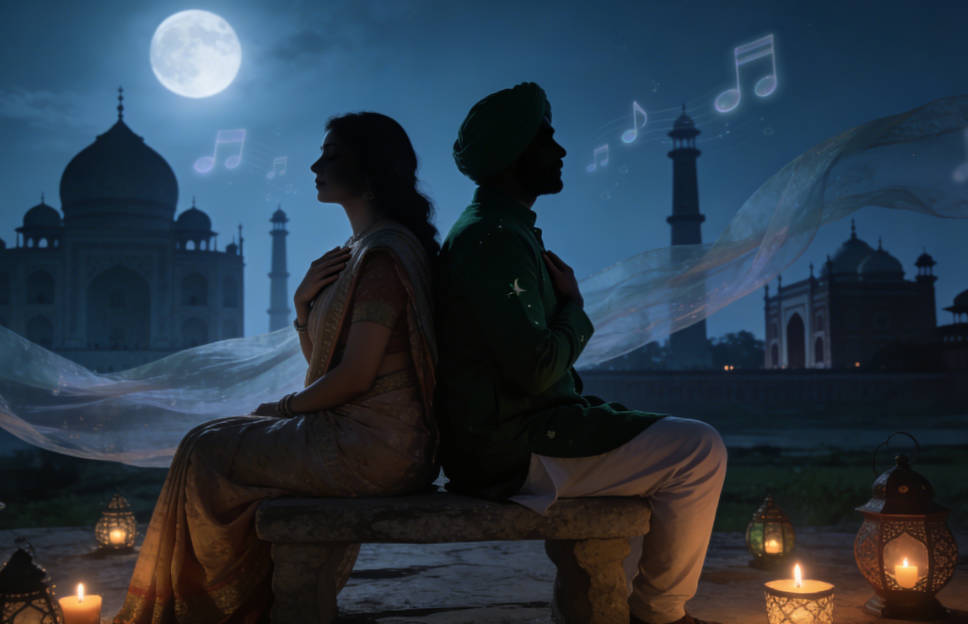
Original Urdu
رات کی تنہائی میں دل کی آواز سنائی دیتی ہے
ستاروں کی چمک میں تیری یاد نظر آتی ہے
چاند کی روشنی میں تیرا چہرہ نظر آتا ہے
ہوا کی لہر میں تیری خوشبو محسوس ہوتی ہے
یہ رات ایک غزل ہے جو دل سے نکلتی ہے
یہ رات ایک خواب ہے جو آنکھوں میں رہتا ہے
Romanized
Raat ki tanhai mein dil ki awaz sunai deti hai
Sitaron ki chamak mein teri yaad nazar ati hai
Chand ki roshni mein tera chehra nazar ata hai
Hawa ki lehar mein teri khushboo mehsoos hoti hai
Yeh raat ek ghazal hai jo dil se nikalti hai
Yeh raat ek khwab hai jo ankho mein rehta hai
English Translation
In the solitude of night, the voice of the heart is heard
In the twinkling of stars, your memory appears
In the moonlight, your face is seen
In the breeze, your fragrance is felt
This night is a ghazal that emerges from the heart
This night is a dream that lives in the eyes
Poem Analysis
"Ghazal of the Night" captures the essence of traditional Urdu ghazal poetry, with its themes of love, longing, and the beauty of night. The poet uses classical imagery of stars, moon, and breeze to convey deep emotions.
The structure follows the traditional ghazal form with couplets that share a common rhyme and meter, creating a musical quality that is characteristic of this poetic form. Each couplet stands independently while contributing to the overall theme of nocturnal longing.
The use of sensory imagery—sound (the heart's voice), sight (stars, moon, beloved's face), and smell (beloved's fragrance)—creates a multi-sensory experience that immerses the reader in the poet's emotional state.
The poem's strength lies in its ability to balance traditional ghazal conventions with personal emotional expression, making it both rooted in tradition and relevant to contemporary readers.
Ghazal: A Brief History
The ghazal is a poetic form that originated in Arabic literature in the 7th century and later flourished in Persian and Urdu literature. It typically consists of rhyming couplets and a refrain, with each couplet expressing a complete thought.
In Urdu literature, the ghazal reached its zenith during the Mughal period, with poets like Ghalib, Mir Taqi Mir, and Daagh Dehlvi creating masterpieces that continue to be celebrated today.
The ghazal's structure allows for both personal expression and universal themes, making it a versatile form that can explore love, spirituality, philosophy, and social commentary.
Famous Ghazals on Night and Longing
Urdu
- Mir Taqi Mir: "رات ہی رات ہے، سحر نہیں آئے گا۔"
- Ghalib: "چاند کے ساتھ بھی رات گزرتی ہے۔"
- Faiz Ahmed Faiz: "رات بہت ہی خوشگوار ہے، میری جان۔"
Romanized
- Mir Taqi Mir: "Raat hi raat hai, sahar nahi aaye ga."
- Ghalib: "Chand ke saath bhi raat guzarti hai."
- Faiz Ahmed Faiz: "Raat bohat hi khushgawar hai, meri jaan."
English
- Mir Taqi Mir: "It's just night, dawn won't come."
- Ghalib: "The night passes even with the moon."
- Faiz Ahmed Faiz: "The night is very pleasant, my love."
Poet's Perspective
The poet of "Ghazal of the Night" draws inspiration from the rich tradition of Urdu ghazal while infusing it with personal emotion. The night serves as both a setting and a metaphor for the inner landscape of longing and desire.
In traditional ghazal, the beloved is often idealized and distant, creating a tension between longing and fulfillment. This poem follows this tradition while making the emotion feel immediate and personal.
The use of natural imagery—stars, moon, breeze—connects the personal emotion to the universal experience of longing, making the poem relatable across cultures and time periods.
Themes
- Night and Solitude: The night as a time for reflection and emotional expression.
- Longing: The yearning for a beloved in the quiet hours.
- Nature Imagery: Use of celestial elements to express emotions.
- Ghazal Tradition: Following the classical form of Urdu poetry.
Literary Devices
- Imagery: Vivid descriptions of night, stars, and moon.
- Metaphor: Night as a ghazal and a dream.
- Personification: The night speaking through the heart's voice.
- Repetition: The refrain structure typical of ghazals.
Ghazal Quotes
Urdu
- "غزل دل کی آواز ہے جو رات کی تنہائی میں سنائی دیتی ہے۔"
- "ستاروں کی چمک میں محبوب کی یاد چھپی ہوتی ہے۔"
- "چاند کی روشنی میں دل کا حال نظر آتا ہے۔"
Romanized
- "Ghazal dil ki awaz hai jo raat ki tanhai mein sunai deti hai."
- "Sitaron ki chamak mein mehboob ki yaad chupi hoti hai."
- "Chand ki roshni mein dil ka haal nazar ata hai."
English
- "Ghazal is the voice of the heart heard in the solitude of night."
- "In the twinkling of stars lies the memory of the beloved."
- "In the moonlight, the state of the heart is revealed."
Ghazal Appreciation Tips
Urdu
- تنہائی: غزل کو تنہائی میں پڑھیں تاکہ اس کا مزہ آئے۔
- آواز: غزل کو آواز دے کر پڑھیں، اس کی موسیقی محسوس کریں۔
- تصور: الفاظ کے پیچھے چھپی تصویریں دیکھیں۔
- دہراؤ: مشکل اشعار کو بار بار پڑھیں۔
Romanized
- Tanhai: Ghazal ko tanhai mein parhein taakay is ka maza aaye.
- Awaz: Ghazal ko awaz de kar parhein, is ki musiqi mehsoos karein.
- Tasawwur: Alfaaz ke peechay chupi tasweerein dekhein.
- Dohrao: Mushkil ashaar ko baar baar parhein.
English
- Solitude: Read ghazals in solitude to fully appreciate them.
- Voice: Read aloud to feel the musical quality.
- Imagination: Visualize the imagery behind the words.
- Repetition: Read difficult verses multiple times.