Eternal Love
Published on March 9, 2026
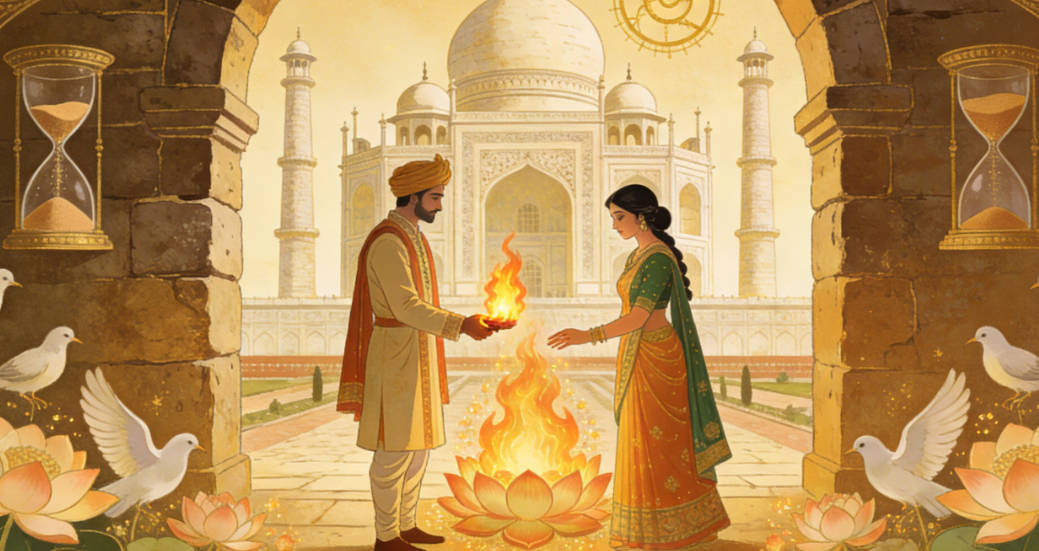
Original Urdu
محبت کو دیر نہیں، وقت نہیں، موت نہیں بڑھا سکتا
یہ ایک ایسی روشنی ہے جو ہمیشہ چمکتی رہتی ہے
زمانے کی تیز رفتاری میں بھی یہ اپنا قدم رکھتی ہے
اپنے پیار کو محفوظ رکھنے کے لیے، ہمیشہ زندہ رہتی ہے
ہر قدم پر، ہر لمحے میں، یہ اپنا وجود ثابت کرتی ہے
یہ ایک ابدی رشتہ ہے جو کبھی ٹوٹ نہیں سکتا
Romanized
Mohabbat ko der nahi, waqt nahi, maut nahi badha sakta
Yeh ek aisi roshni hai jo hamesha chamkta rehta hai
Zamane ki tez raftari mein bhi yeh ek qadam rakhta hai
Apne pyaar ko mehfooz rakhne ke liye, hamesha zinda rehta hai
Har qadam par, har lamhe mein, yeh apna wujood saabit karta hai
Yeh ek eternal bond hai jo kabhi toda nahi ja sakta
English Translation
Love cannot be increased by delay, time, or death
It is a light that always shines
Even in the fast pace of the world, it takes its time
To keep its love safe, it remains forever alive
At every step, in every moment, it proves its existence
It is an eternal bond that can never be broken
Poem Analysis
"Eternal Love" explores the timeless nature of true love, emphasizing its resilience and permanence. The poet uses vivid imagery to convey the idea that love transcends the boundaries of time, space, and even death. The repetition of phrases like "hamesha" (forever) reinforces the theme of eternity.
The poem's structure, with short, impactful lines, creates a rhythmic flow that mirrors the steady, unchanging nature of the love being described. Each stanza builds upon the previous one, gradually deepening the reader's understanding of the eternal bond between two souls.
The poet's use of universal imagery—light, time, and connection—makes the poem relatable across cultures and time periods. By framing love as an eternal force that cannot be broken, the poem elevates romantic love to a spiritual level.
The poem's strength lies in its ability to capture the essence of true love's permanence, offering a vision of love that transcends the temporal limitations of human existence.
Types of Love
Love manifests in various forms, each with its own unique characteristics and significance:
- Eros (Romantic Love): Passionate, romantic love that forms the basis of intimate relationships.
- Philia (Friendship Love): Deep friendship and platonic love based on mutual respect and shared values.
- Storge (Familial Love): The natural love between family members, especially parents and children.
- Agape (Unconditional Love): Selfless, universal love that extends to all humanity.
- Ludus (Playful Love): Casual, flirtatious love characterized by fun and excitement.
- Pragma (Practical Love): Mature, practical love built on mutual benefit and shared goals.
The Philosophy of Love
Love has been a central theme in philosophy for millennia, with different thinkers offering unique perspectives:
- Plato: Saw love as a journey from physical attraction to spiritual union with the divine.
- Aristotle: Viewed love as a virtue that cultivates friendship and community.
- Rumi: Emphasized divine love as the ultimate goal of human existence.
- Kierkegaard: Explored the tension between erotic love and religious duty.
- Freud: Analyzed love through the lens of psychoanalysis and human desire.
Love in Different Cultures
Urdu Culture
- شاعری: محبت کو آداب اور شاعری کے ذریعے ادا کیا جاتا ہے۔
- روایت: خاندانی اور سماجی روایات محبت کے اظہار پر اثرانداز ہوتی ہیں۔
- اقرار: محبت کا اظہار احترام اور معزت کے ساتھ کیا جاتا ہے۔
Romanized
- Shaeri: Mohabbat ko adab aur shaeri ke zariye ada kiya jata hai.
- Rewayat: Khandani aur samaji rewayat mohabbat ke izhar par asar andaaz hoti hain.
- Iqrar: Mohabbat ka izhar ihtaram aur mazrat ke saath kiya jata hai.
English
- Poetry: Love is expressed through literature and poetry.
- Tradition: Family and social traditions influence the expression of love.
- Respect: Love is expressed with respect and dignity.
Themes
- Timeless Love: The poem emphasizes that true love is not bound by time or space.
- Resilience: Love remains strong despite the challenges of life.
- Immortality: Love continues to exist beyond physical limitations.
- Connection: The eternal bond between two souls.
Literary Devices
- Imagery: The use of light as a metaphor for love's enduring nature.
- Repetition: The repeated use of "hamesha" (forever) to emphasize eternity.
- Parallelism: The structured, rhythmic flow of the poem.
- Metaphor: Love as an eternal bond that cannot be broken.
Love Quotes
Urdu
- "محبت یہ نہیں ہے کہ آپ کتنے دن، مہینے یا سال ایک ساتھ رہے ہیں۔ یہ یہ ہے کہ آپ ایک دوسرے کے ساتھ ہوتے ہیں، چاہے آپ کتنا ہی دور کyon ho۔"
- "محبت ایک ایسی چیز ہے جو وقت کے ساتھ بڑھتی ہے، نہیں کہ کم ہوتی ہے۔"
- "جو محبت اصل ہے، وہ ہمیشہ کے لیے رہتی ہے۔"
Romanized
- "Mohabbat yeh nahin hai ke aap kitne din, mahine ya saal ek saath rahe hain. Yeh yeh hai ke aap ek dosre ke saath hote hain, chahay aap kitna hi door kyon ho."
- "Mohabbat ek aisi cheez hai jo waqt ke saath badhti hai, nahin ke kam hoti hai."
- "Jo mohabbat asli hai, woh hamesha ke liye rehti hai."
English
- "Love is not about how many days, months, or years you have been together. It is about being with each other, no matter how far apart you may be."
- "Love is something that grows with time, not something that diminishes."
- "True love lasts forever."
Love and Relationship Tips
Urdu
- عوامتیت: ایک دوسرے کے ساتھ بے فکرانہ رہیں اور ایک دوسرے کے ساتھ وقت گزارنے کے لیے وقت نکالیں۔
- کمونیکیشن: اپنے جذبات اور خیالات کو ایک دوسرے کے ساتھ شریک کریں۔
- قدرت: ایک دوسرے کی قدر کریں اور ایک دوسرے کے لیے شکر گزاری کریں۔
- تصدیق: ایک دوسرے کو مصداق دے دیں اور ایک دوسرے پر بھروسہ کریں۔
Romanized
- Communication: Apne jazbat aur khayalat ko ek dosre ke saath share karein.
- Appreciation: Ek dosre ki qadr karein aur ek dosre ke liye shukr guzaari karein.
- Trust: Ek dosre ko tasdeeq dein aur ek dosre par bharosa karein.
- Quality time: Ek dosre ke saath be fikarane rahen aur ek dosre ke saath waqt guzarnay ke liye waqt nikalein.
English
- Communication: Share your feelings and thoughts with each other.
- Appreciation: Value each other and express gratitude for one another.
- Trust: Give each other confidence and trust one another.
- Quality time: Be carefree with each other and make time to spend with one another.