Openrivet
A handpicked selection of articles, sources, and insights from around the web.
A handpicked selection of articles, sources, and insights from around the web.

Deeply rooted in Jiangnan's imperial folklore, Hangzhou Beggar's Chicken is a flawless showcase of clay-baking thermodynamics. This historic recipe achieves unparalleled moisture retention by completely sealing a premium free-range chicken marinated in aged Shaoxing wine, honey, and five-spice powder. The bird's thoracic cavity is tightly stuffed with a savory mixture of pork belly, mushrooms, and bamboo shoots, then wrapped sequentially in fresh, tea-scented lotus leaves and parchment paper. The entire package is then encased in a thick shell of specialized cooking clay and slow-baked under charcoal embers for four hours. This natural pressure-cooking environment forces vaporized herbal aromas and rich pork fats deep into the chicken, dissolving its collagen into gelatin. Broken open ceremonially with a wooden mallet at the table, the clay shatters to reveal incredibly succulent meat that falls away from the bone at the mere touch of a chopstick.

Originating from Mengzi in southern Yunnan, 'Crossing the Bridge' Rice Noodles (Guoqiao Mixian) is a brilliant interactive dining system based on clever culinary physics. The dish utilizes a deceptive lipid insulation barrier to keep food piping hot without visible steam. Master chefs build a massive foundation of concentrated broth from old hens, Xuanwei ham, and marrow bones, sealing the surface with a thick, unbroken layer of rendered chicken fat and camellia oil that traps the liquid at nearly 105 degrees Celsius. Diners act as tableside chefs, sliding paper-thin sheets of raw pork, chicken, and squid into the volcanic broth, where they flash-cook and sterilize within three seconds. Fresh vegetables and slippery, fermented Yunnan rice noodles are introduced next. Breaking the thermal seal releases a dramatic cloud of savory steam, resulting in an exceptionally clean, comforting dish where salty ham flavors harmonize perfectly with velvety rice strands.
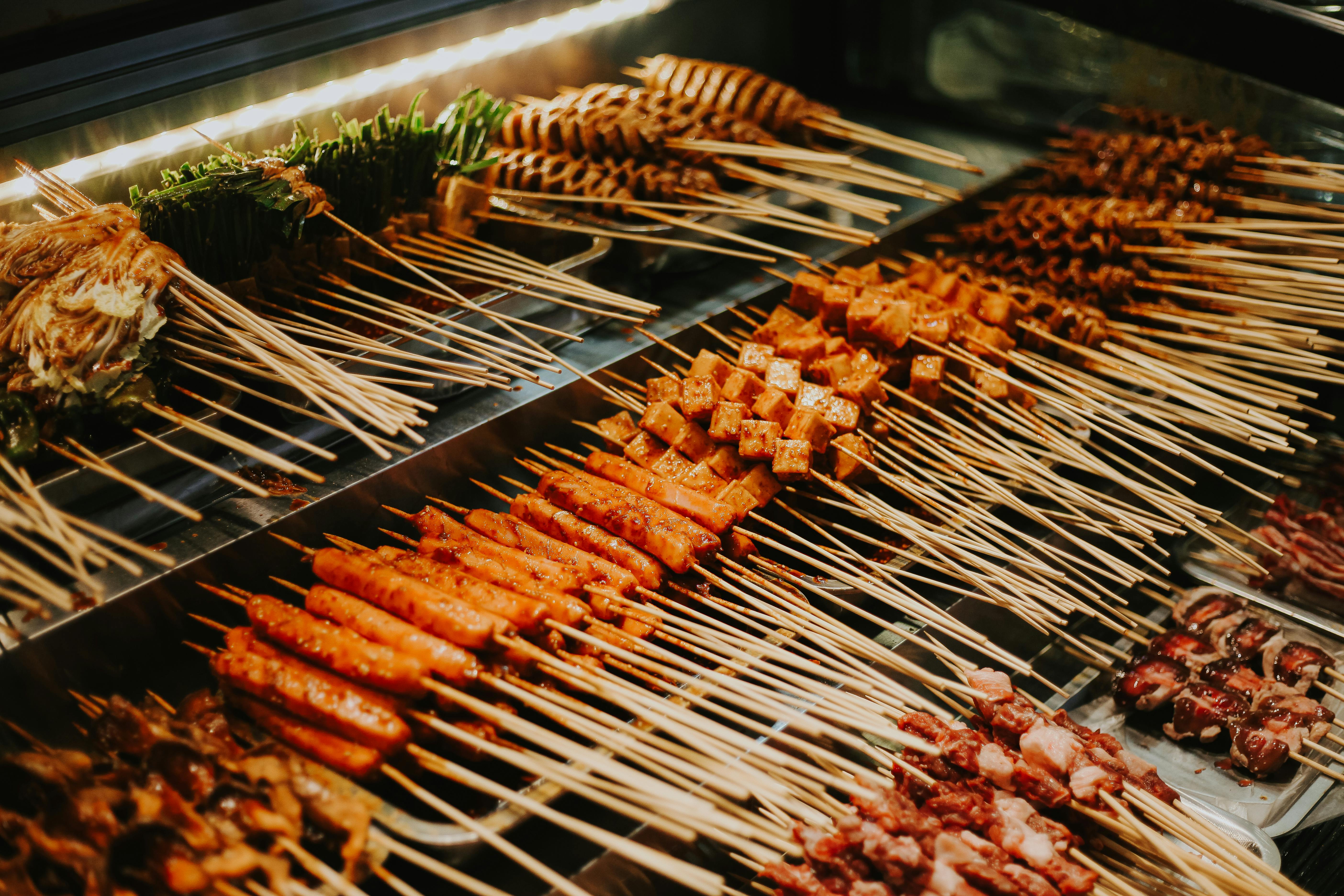
Hailing from the riverine city of Leshan, Bobo Ji is a vibrant branch of Sichuan street-food culture that redefines cold appetizers. Named after the traditional terracotta pot ('Bobo') in which it is served, this dish utilizes a sophisticated cold-steeping process to extract subtle aromatic nuances from intense spices. Diverse bite-sized ingredients—ranging from tender chicken skin and duck gizzards to crisp lotus roots—are meticulously skewered, poached at controlled temperatures to preserve their ideal crunch, and instantly shocked in ice water. The skewers are then submerged for thirty minutes in a deep crimson bath of clear chicken stock fortified with an artisanal, herb-infused red chili oil and fresh green Sichuan peppercorns. Dusted with toasted white sesame seeds, every bite offers a refreshing contrast where a cooling, crisp physical crunch meets an addictive, tongue-tingling wave of numbing heat.
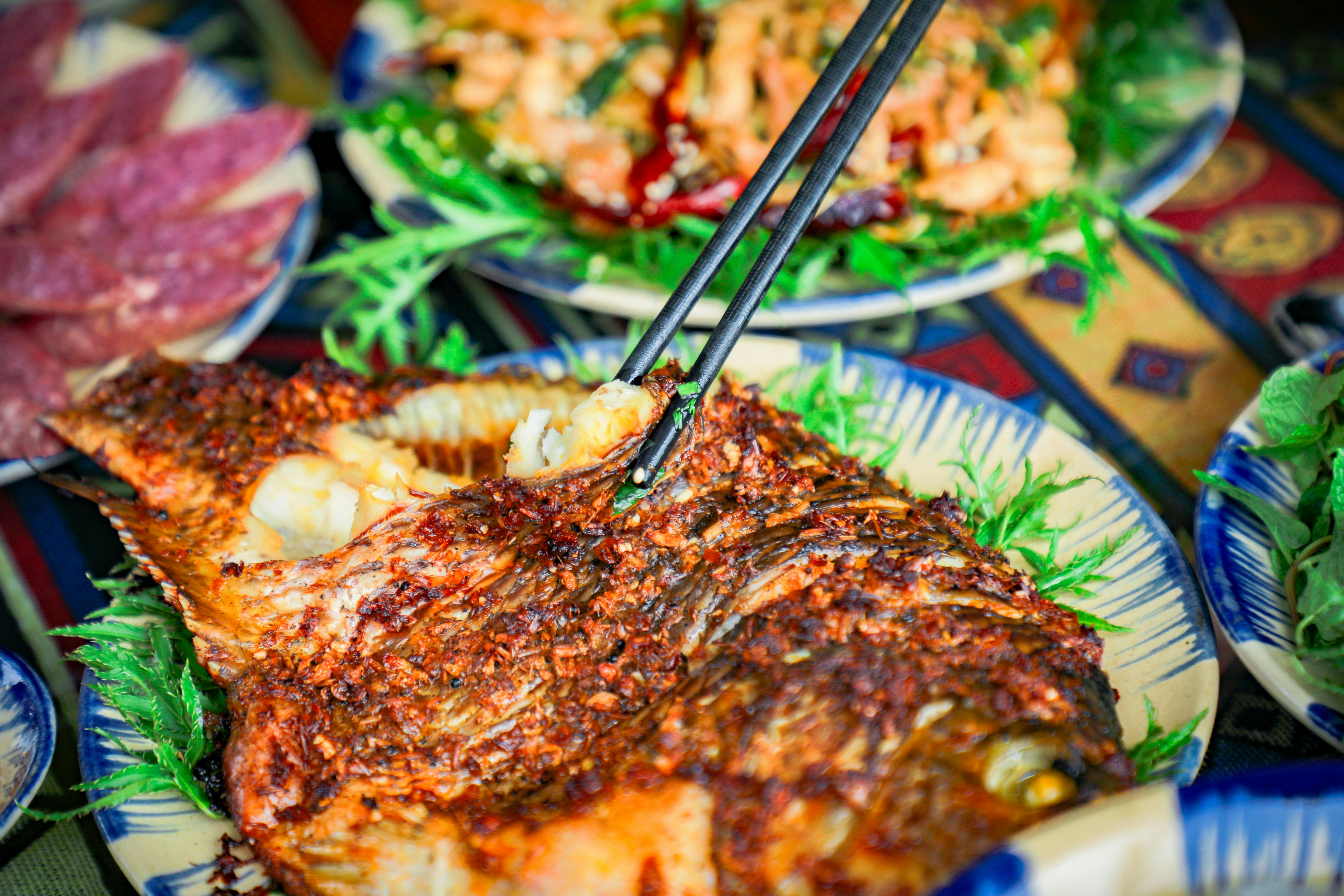
Deeply tied to the rugged terrain of the Three Gorges region, Wanzhou Grilled Fish (Kao Yu) is a high-energy triumph of modern Sichuan gastronomy. Rejecting linear cooking methods, it pioneers a multi-stage metamorphosis that blends the smoky char of a fruitwood charcoal grill with the slow-braising mechanics of traditional hot pot. A butterfly-sliced freshwater fish undergoes a dry-rub cure with sorghum Baijiu and ginger to firm up its proteins before being aggressively grilled to blister the skin into a crackling, smoky armor. The grilled fish is then transferred to a heavy rectangular iron hot plate, where it is submerged in a rich magma of melted beef tallow, fermented Pixian chili bean paste, whole dried chilis, and base vegetables. As the iron platter simmers tableside, the spicy, umami-rich oil slowly penetrates the blistered skin, ensuring the white meat underneath remains velvety, moist, and intensely saturated.
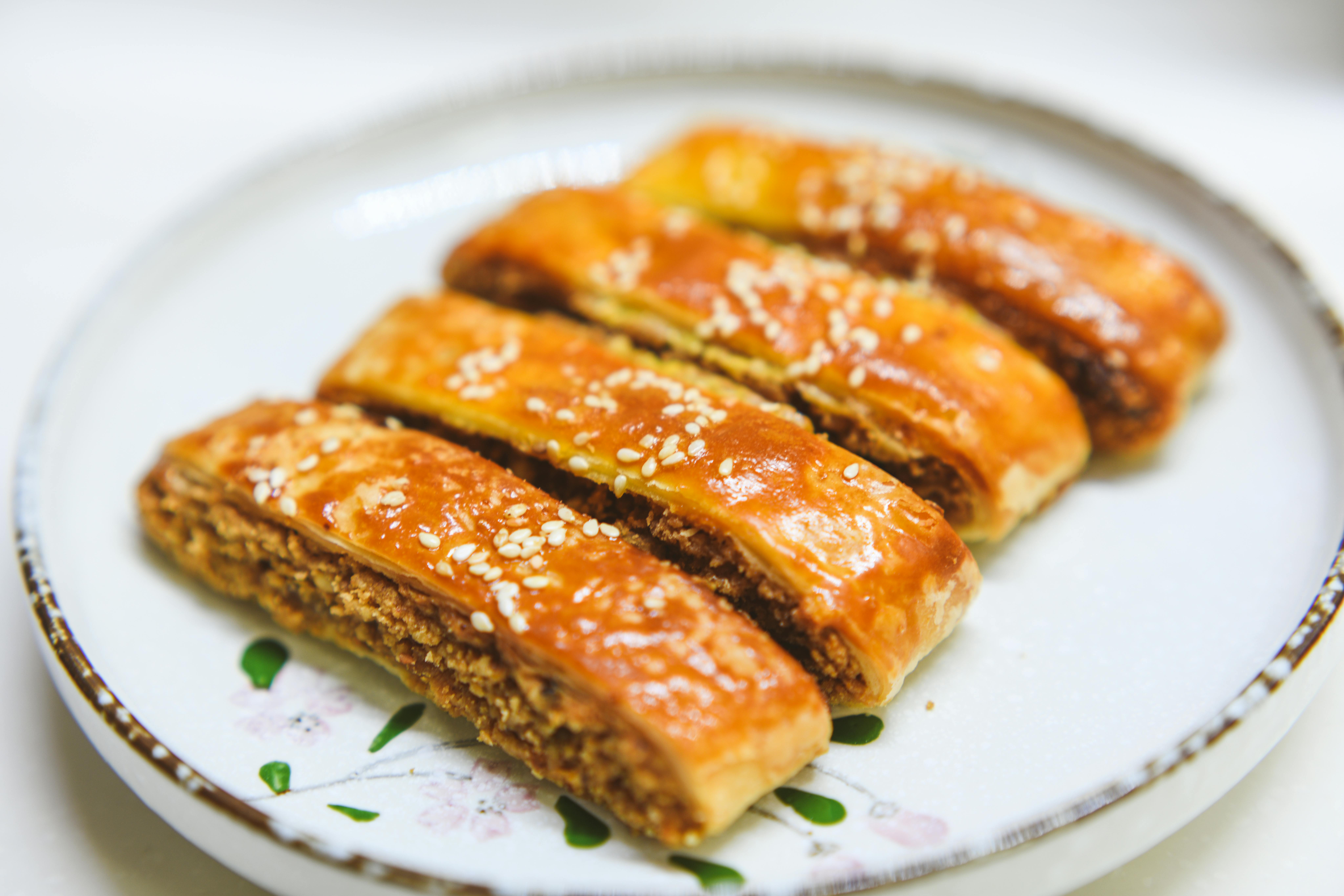
Shunde's Ginger Milk Pudding (Jiang Chuang Nai) is a brilliant example of spontaneous biochemical physics in Chinese dessert history. Completely rejecting traditional binding agents like gelatin or starch, its transformation from fluid to a pristine, spoon-supporting solid relies entirely on a temperature-controlled, enzyme-catalyzed reaction. The alchemy combines unpasteurized water buffalo milk—highly prized for its dense concentration of casein proteins—with the freshly squeezed juice of old yellow ginger, which is rich in a proteolytic enzyme called zingipain. Heated to a precise window of 75 to 80 degrees Celsius, the milk is aggressively poured or 'collided' into the ginger juice from a height to ensure instant mixing. Left undisturbed under a saucer for three minutes, the zingipain destabilizes the milk proteins into an interconnected three-dimensional microscopic network, creating a glossy pudding that melts instantly on the palate like silk.
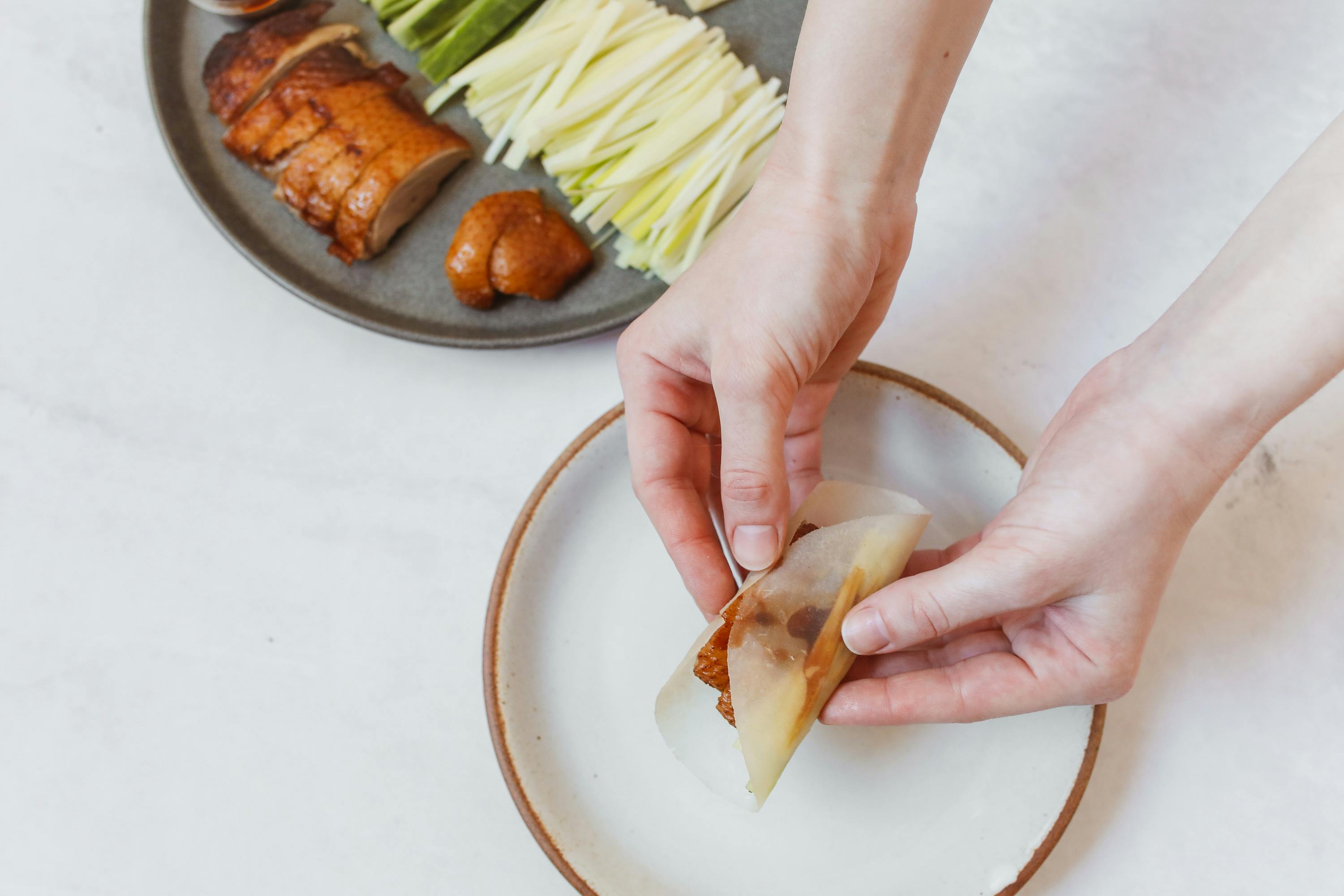
Steeped in royal history spanning the Ming and Qing dynasties, Peking Duck is a monumental achievement in classical Chinese gastronomy. To create its signature shatteringly crisp skin and extraordinarily juicy flesh, master chefs pump high-pressure air beneath the skin of a premium White Pekin duck, creating a thermodynamic barrier that prevents internal steam from soaking the hide during roasting. The bird is then scalded, glazed with a maltose-vinegar syrup, and air-dried for 48 hours to dehydrate the skin and tenderize the meat. Roasting takes place in an open oven fueled by aged fruitwoods like jujube and apple logs. At 180 degrees Celsius, the rendering subcutaneous fat fries the skin from within while the maltose undergoes intense Maillard browning. Carved into exactly 108 uniform slices, the duck delivers a smoky, buttery crunch that melts effortlessly onto the palate.
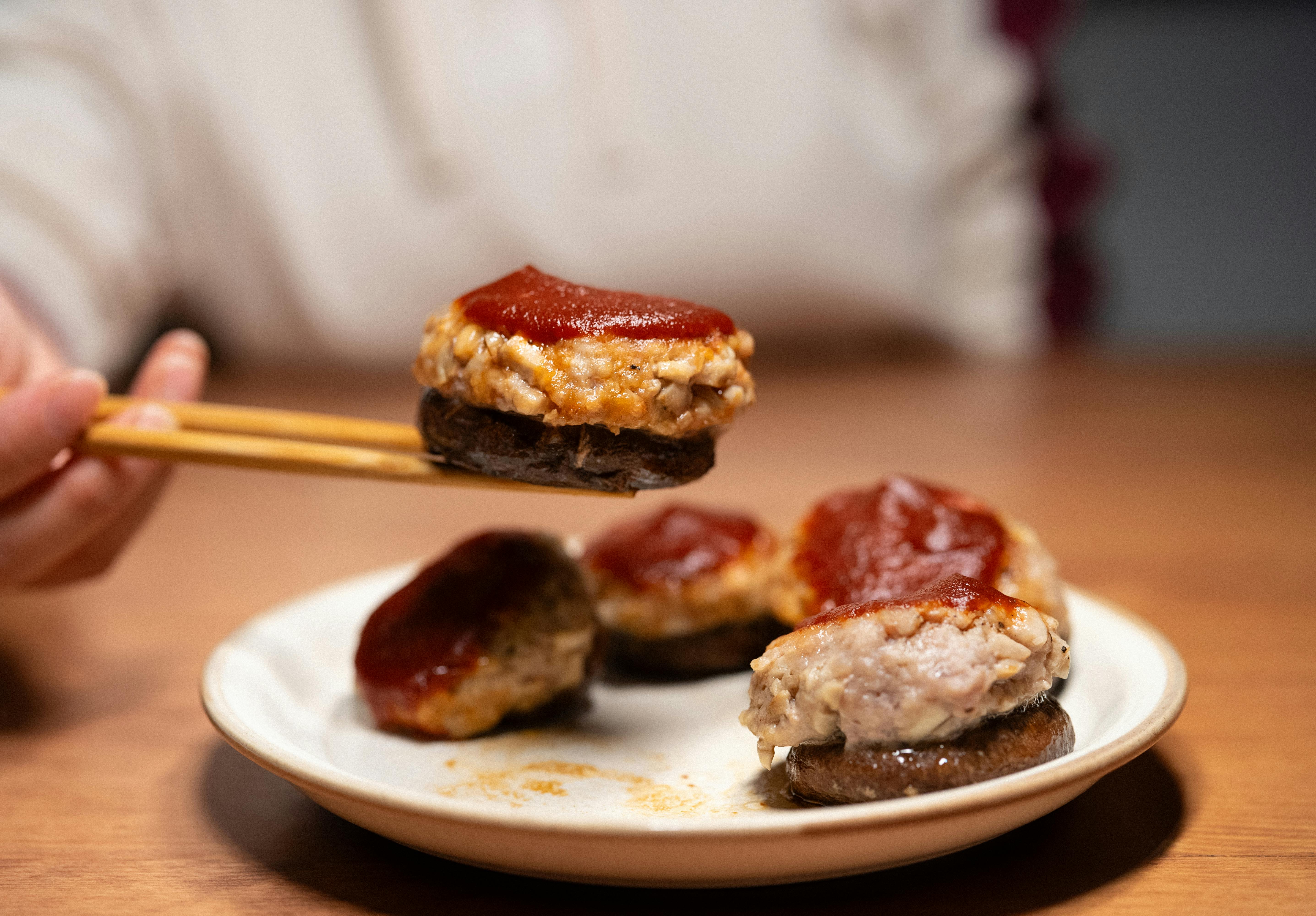
Representing the refined, aristocratic heritage of Huaiyang cuisine, Yangzhou Lion's Head Meatballs are a masterclass in gentle heat conduction and manual pork texturing. Rejecting mechanical grinders that crush meat fibers, chefs use a heavy cleaver to meticulously hand-dice premium pork belly into uniform 3-millimeter cubes, locking in the natural cell juices. The meat is then seasoned with ginger juice and scallion water, and aggressively stirred in a clockwise direction for thirty minutes. This physical agitation extracts muscle myosin, creating a natural protein emulsion that binds the meatball without starches or eggs. Cradled in a clay pot filled with clear chicken broth and covered with a protective blanket of fresh napa cabbage leaves, the spheres simmer for four hours, transforming tough collagen into a texture so remarkably ethereal that it dissolves like a cloud of savory pork essence.
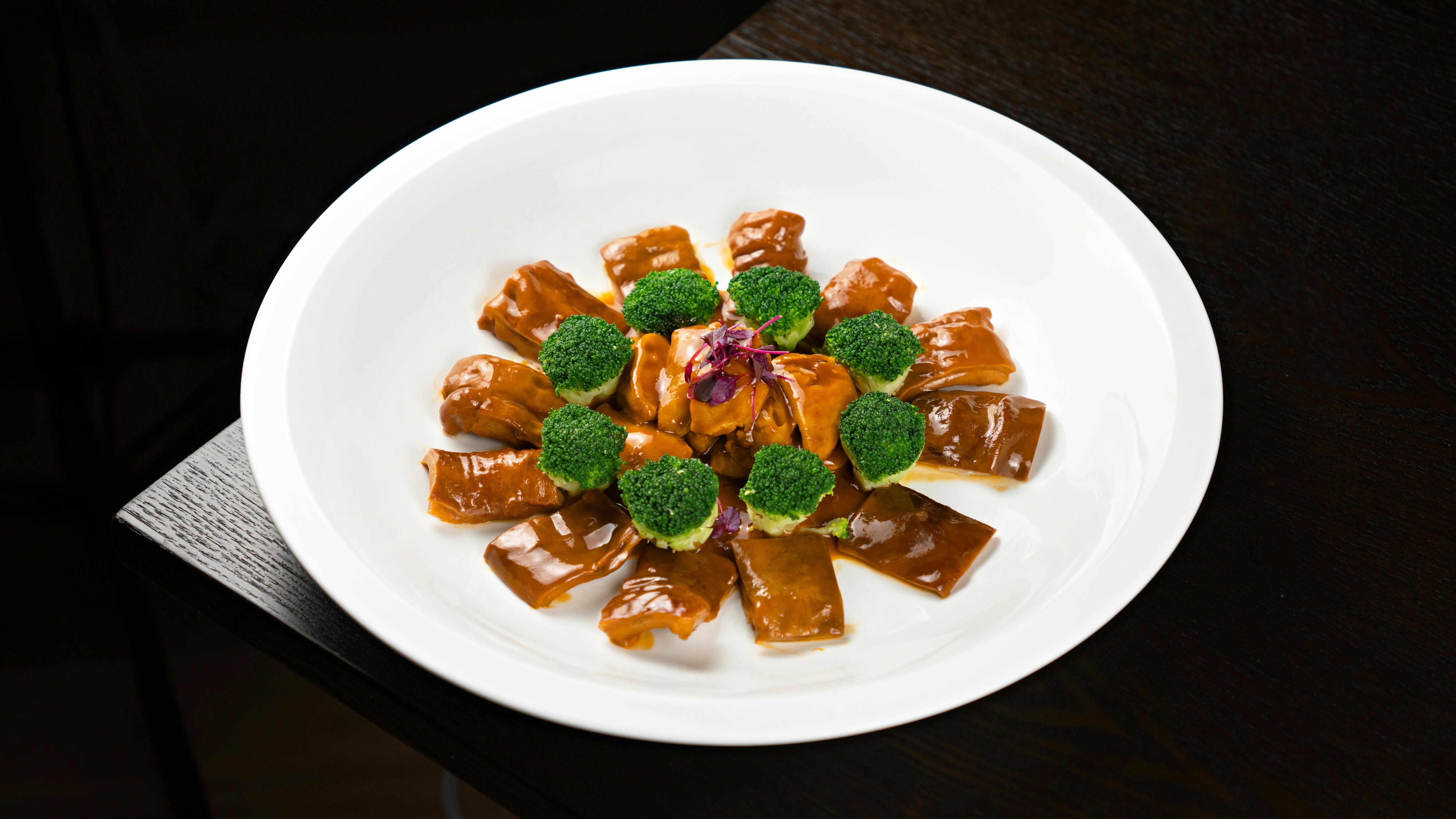
Named after the legendary Song Dynasty poet Su Dongpo, this iconic Hangzhou masterpiece is a sophisticated study in slow fat-rendering and intense caramelization. Flawless, five-layered pork belly slabs are blanched, tied with kitchen twine, and placed skin-side down on a dense bed of green scallions and ginger inside a heavy terracotta clay pot. Flooded entirely with aged Shaoxing yellow rice wine, dark soy sauce, and rock sugar—without a drop of water—the vessel is sealed airtight with wet paper to create a low-oxygen environment. Simmered over a gentle fire for three hours, the high alcohol content breaks down connective tissues into smooth gelatin. A final high-heat steam session forces out any remaining heavy oils, leaving a glistening, dark ruby-red jewel that is rich, deeply aromatic, and melt-in-your-mouth tender.
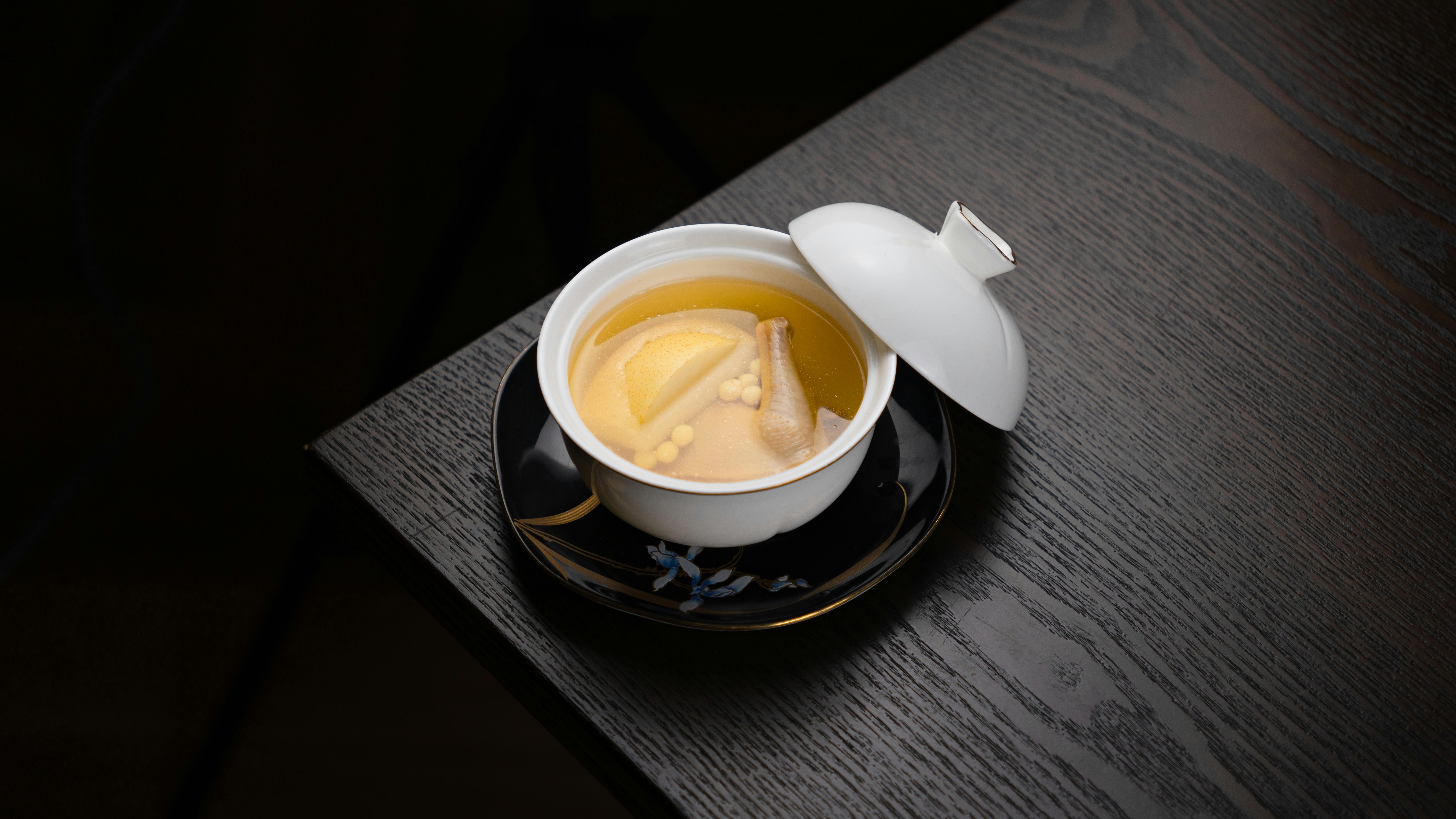
Hailing from Fuzhou, 'Buddha Jumps Over the Wall' (Fotiaoqiang) is the undisputed monarch of Chinese banquet soups, famed for an aroma so intoxicating it could tempt a monk to break his vows. This monumental culinary undertaking utilizes up to thirty ultra-premium marine and terrestrial ingredients—including sea cucumbers, dried abalone, fish maw, Conpoy, and Xuanwei ham. Each luxury component is prepared separately before being layered inside a specialized terracotta wine jar, flooded with a twelve-hour master broth, and sealed tightly with fresh lotus leaves. Simmered undisturbed over charcoal for six hours, the land-based proteins chemically combine with the sea-salted glutamates of the marine delicacies. This closed micro-environment triggers a powerful umami synergy, yielding a thick, amber elixir with profound, multi-layered depth.
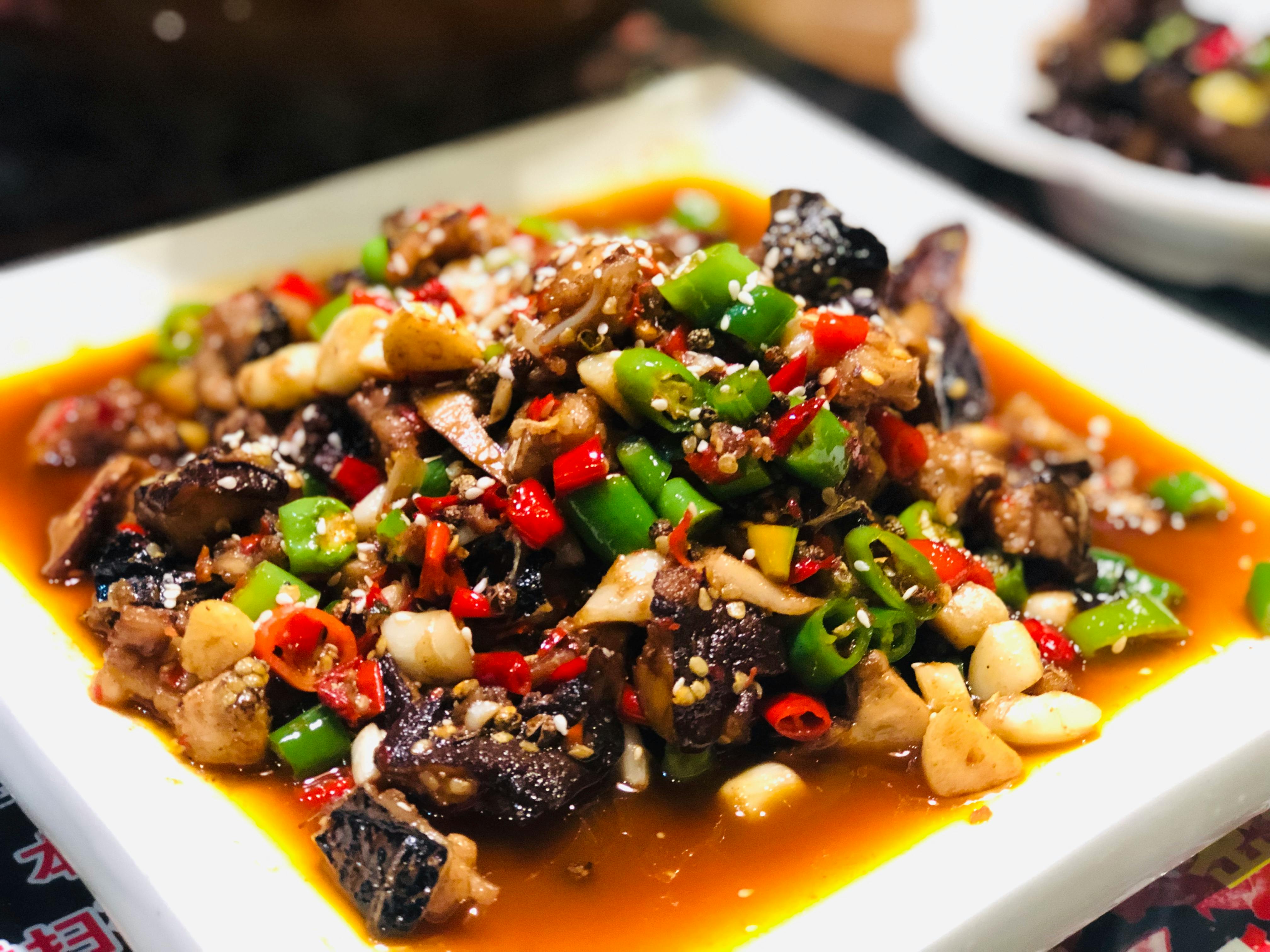
Created by a late-Qing dynasty governor, Kung Pao Chicken is a hyper-fast masterclass in precision wok thermodynamics and 'Xiaolizhi' (subtle sweet-and-sour) sauce wrapping. Premium chicken thigh cubes are marinated and flash-seared at 230 degrees Celsius in a carbon steel wok. The cooking starts with a two-second flash-fry of Erjingtiao chilis and Sichuan peppercorns, infusing the oil with a smoky, capsaicin-rich aroma known as 'Hulaji.' Once the meat is flash-seared to lock in its juices, a pre-mixed bowl sauce of dark vinegar, rock sugar, and cornstarch is poured into the vortex. The cold liquid hits the roaring hot wok walls, vaporizing and gelatinizing in seconds. Aggressive wok flips instantly emulsify the liquids, coating each chicken cube in a glossy, velvety crimson glaze topped with crunchy roasted peanuts.
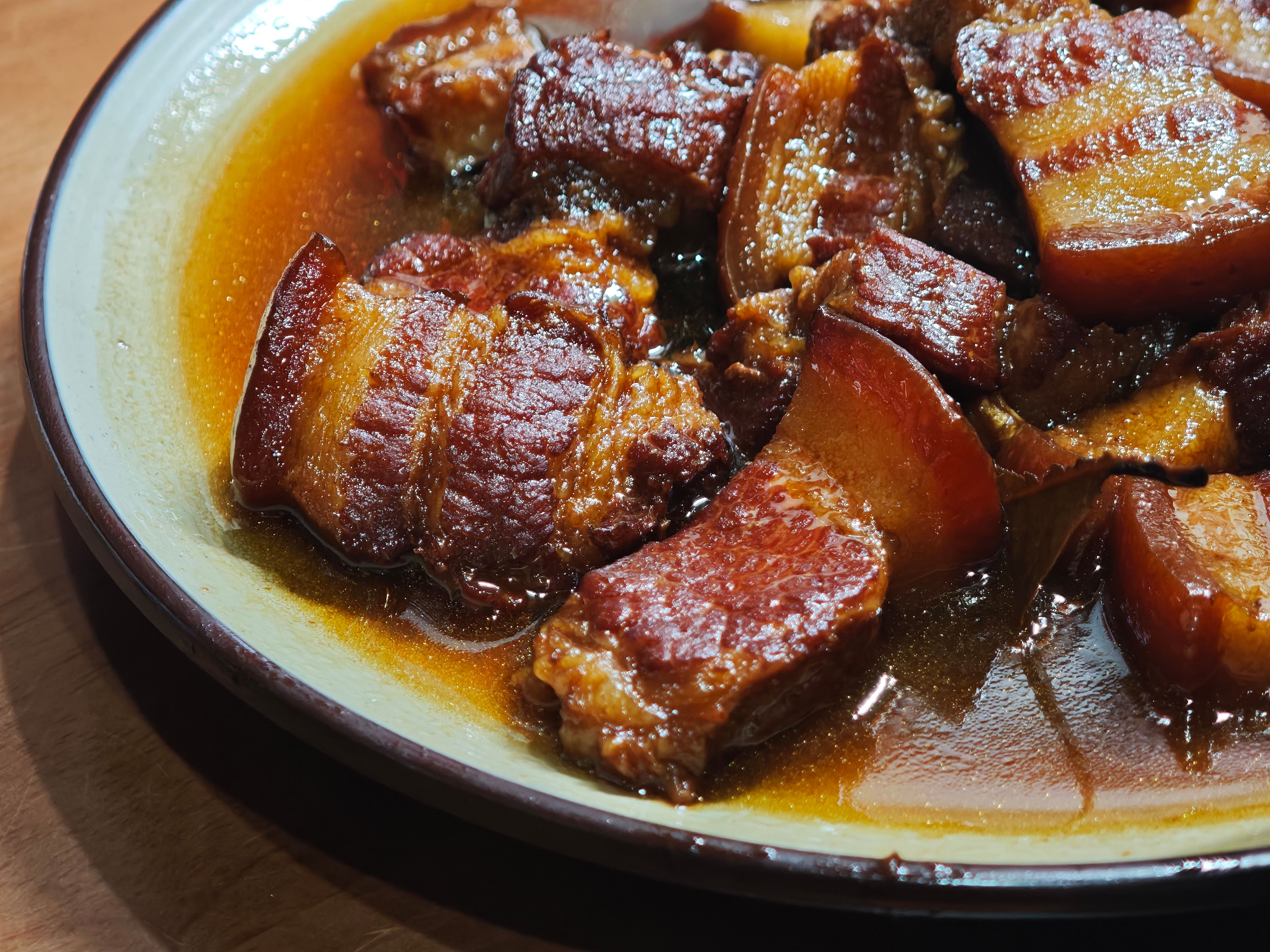
Deeply embedded in the rustic culinary traditions of Hunan, Chairman Mao's favorite red-braised pork is a brilliant masterclass in soy-sauce-free purity. Rather than using commercial soy sauces, authentic Hunan chefs rely entirely on a meticulously controlled 'sugar color' (Tangse) thermal reaction. Rock sugar is slowly melted with water until it undergoes thermal decomposition, transforming into a bittersweet amber liquid that wraps premium, 3-centimeter five-layer pork belly cubes in a glowing caramel layer. Braised for two hours alongside ginger, garlic, star anise, Shaoxing wine, and fiery dried Hunan chilis, the rendered pork fats emulsify with the caramelized sugars. A final high-heat reduction yields a sticky, translucent ruby glaze over meltingly tender meat, offering a smoky sweetness perfectly balanced by creeping chili heat.
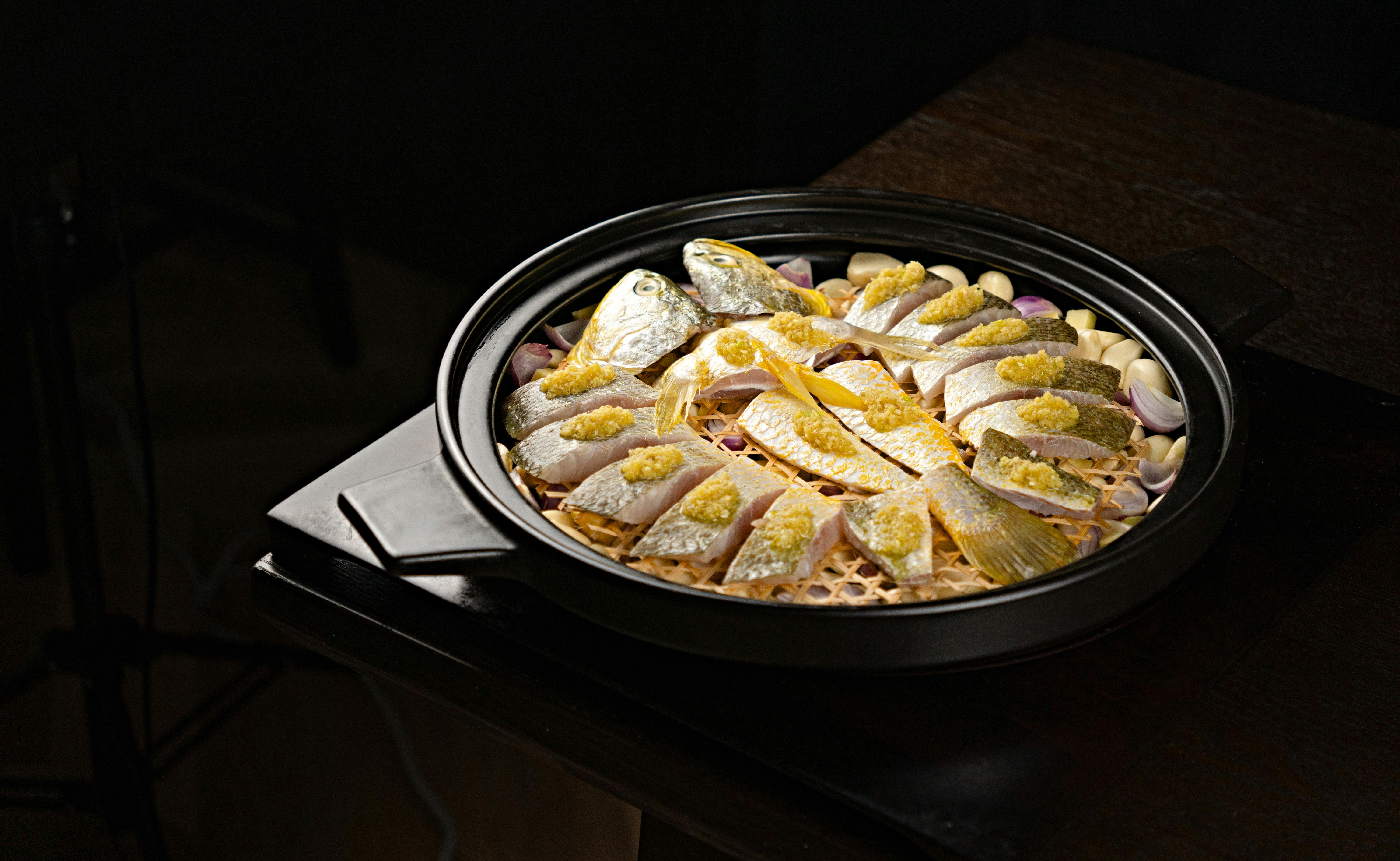
Hailing from the historic canal city of Suzhou, Su Shi Xunyu is a highly technical triumph of Jiangnan cold-appetizer gastronomy. Named for its signature mahogany appearance rather than actual wood smoking, this dish relies on a unique combination of double-frying and instant spice osmosis. Uniform, leaf-like black carp steaks are first fried at 180 degrees Celsius to establish a rigid framework, then flash-fried at 210 degrees Celsius to forge a blistered, shatteringly crisp crust while locking juices inside the core. The screaming-hot fish is immediately plunged into an ice-cold, highly concentrated syrup of dark soy sauce, rock sugar, and aromatic spices. This extreme temperature differential creates a powerful vacuum, pulling the sweet-savory liquid deep into the fish cells within seconds.
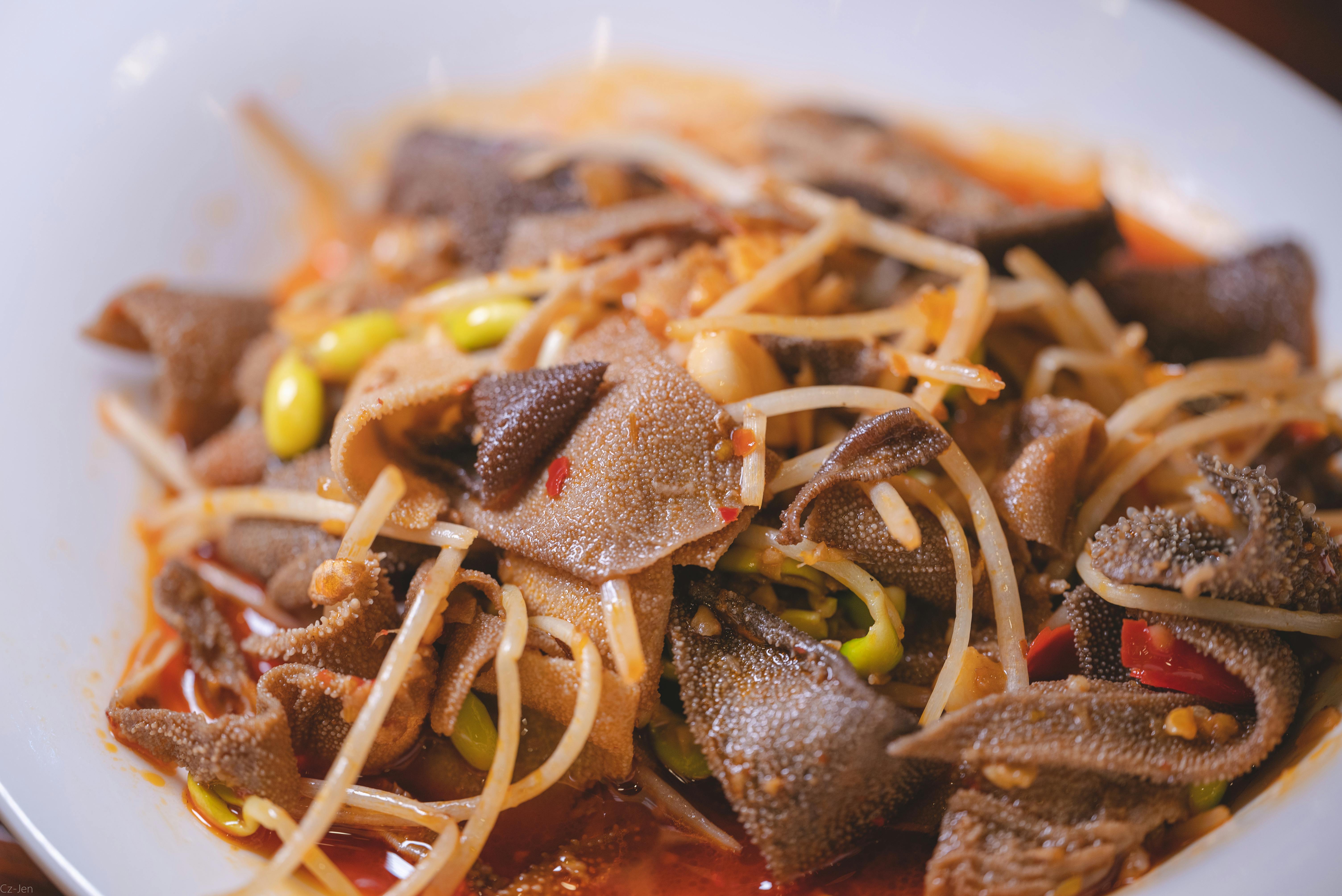
Considered the definitive baseline of authentic Sichuan home cooking, Twice-Cooked Pork (Huiguo Rou) is a high-velocity study in protein deformation and rapid fat rendering. Premium pork rump (Erdao Rou) is first parboiled with ginger and Sichuan peppercorns to tighten the muscle fibers, chilled, and then sliced into paper-thin 2-millimeter sheets. When tossed into a smoking-hot carbon steel wok, the extreme heat causes the skin to contract sharply and the fat to render, curling the pork into delicate 'lantern bowls' (Dengzhan Wo) engineered to trap sauce. Pixian Doubanjiang and tianmianjiang are fried directly into the rendered oil until it turns a vibrant ruby-red, followed by a ten-second flash fry of fresh green Szechuan leeks, releasing a sweet, aromatic savoriness.

Deeply rooted in ancient Huangshan merchant culture, Huizhou Smelly Mandarin Fish (Chou Guiyu) is an astonishing example of controlled biological preservation. Fresh mandarin fish are rubbed with sea salt and packed tightly under heavy river stones inside cedarwood barrels, creating a semi-anaerobic environment. Over six to eight days at 18 to 22 degrees Celsius, wild local microflora break down neutral muscle proteins into volatile amino acids like glutamic acid, producing a pungent aroma while softening the flesh matrix. Once lightly pan-fried and slow-braised with garlic, ginger, and dried chilis, the offensive odor completely vanishes. The resulting meat breaks into firm, 'garlic-clove-like' flakes that are deeply saturated with a profound, multi-layered umami flavor profile.
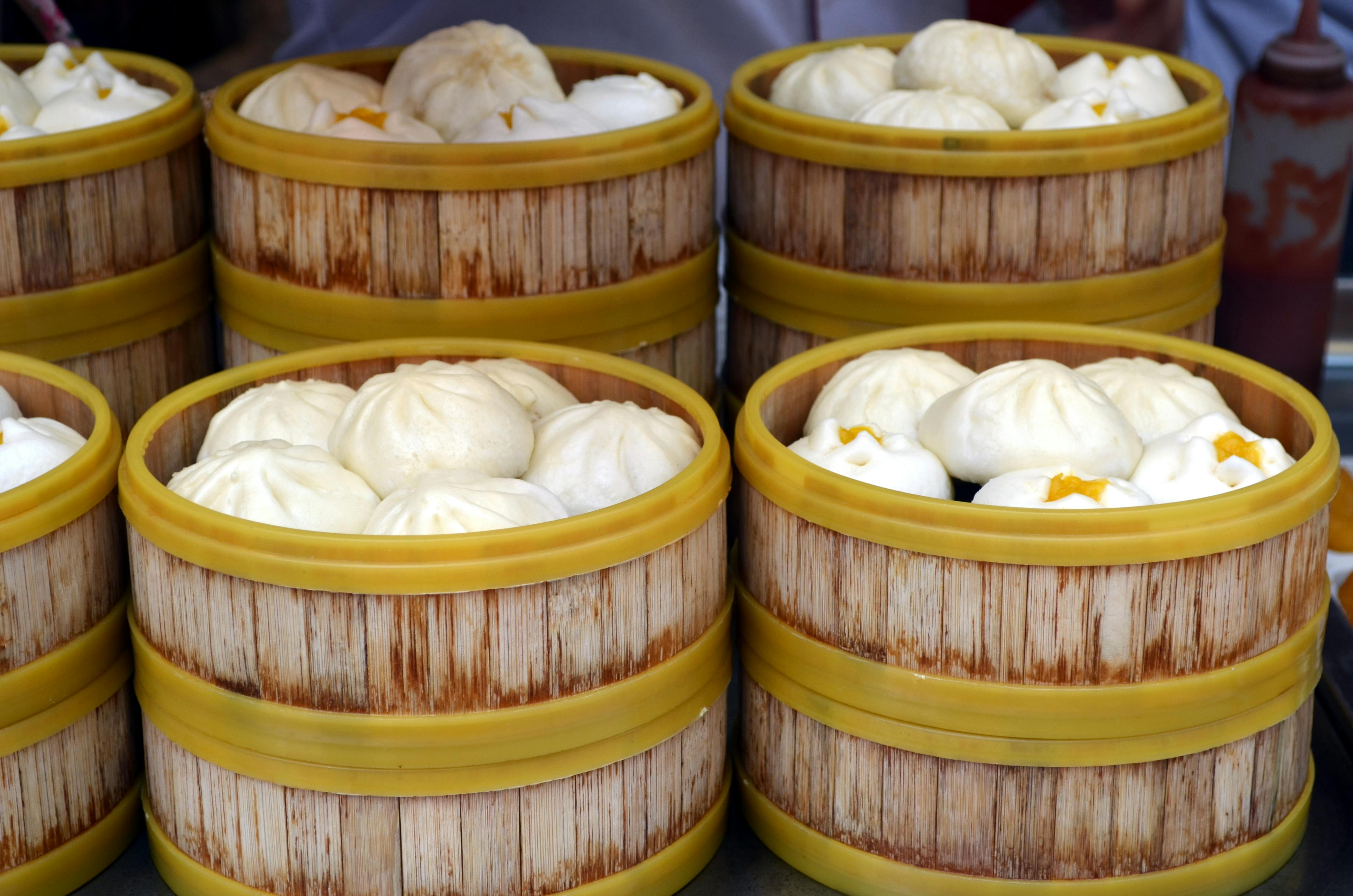
Established in 1858, Tianjin's legendary Goubuli Steamed Buns represent a pinnacle monument to northern Chinese wheat craftsmanship. The master baker utilizes a complex 'semi-fermentation' (Ban Fazhong) technique, mixing high-gluten flour with an aged starter to create a dough that possesses the cloud-like fluffiness of a yeast bun, yet retains the moisture-resistant elasticity required to hold liquid fillings. The filling consists of finely minced fatty pork aggressively whipped with cold bone broth and artisanal sesame oil into a rich emulsion. Each bun is wrapped with a hyper-precise geometric choreography, producing a minimum of 18 mathematically perfect folds that twist into a beautiful 'chrysanthemum mouth' before being steamed over a roaring furnace for seven minutes into a molten sphere of pure meat juice.
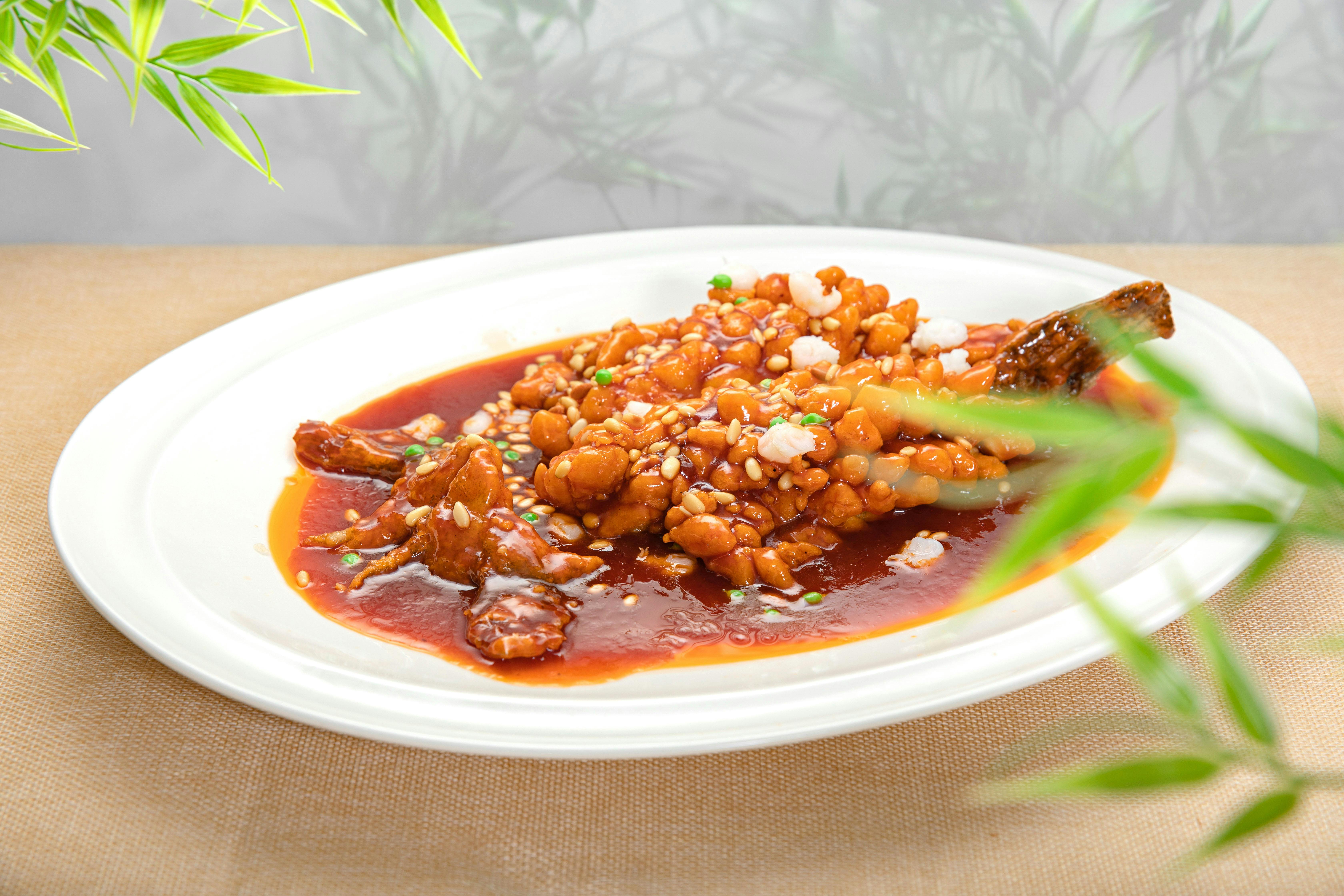
Hailing from the historic city of Leshan, Sweet Skin Duck (Tianpi Ya) is a highly sophisticated culinary system that fuses traditional Chinese brine-braising with advanced oil convection. The process begins by simmering a whole duck for an hour in a multi-generational master brine (Lu Shui) fortified with Shaoxing wine, light soy sauce, and a silk sachet of over twenty medicinal herbs. After the meat is deeply infused, the duck is air-dried to prepare the skin for a high-heat ladle-frying phase. By continuously pouring 190-degree Celsius vegetable oil over the duck for fifteen minutes, the subcutaneous fats render out, creating a crisp, golden-brown armor. Finally, hot maltose syrup is painted onto the blistering hide, triggering an instant thermal fusion that oxidizes into a glossy, amber candy shell over incredibly moist, savory meat.
Explore trending articles and discover new content