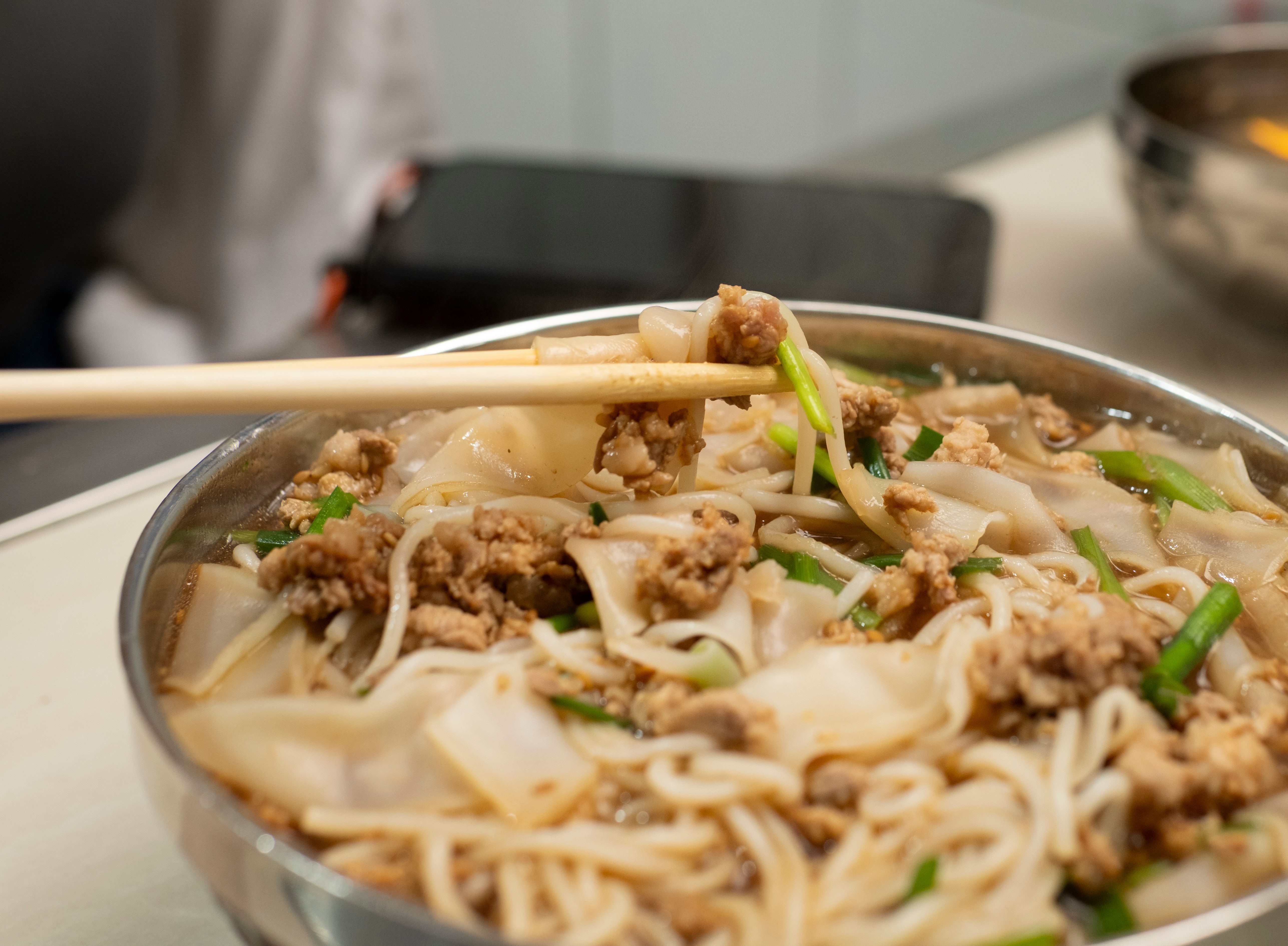
The Soul of Luosifen: Deconstructing Liuzhou's Iconic River Snail Noodle Broth
Liuzhou's famous Luosifen is a masterclass in olfactory and flavor contrasts, born from the river ecosystems of Guangxi. While the final dish contains no visible snail meat, its legendary foundation relies on local river snails, meticulously purged for 48 hours to remove any sediment. These snails are intensely stir-fried with aromatics like sand ginger, star anise, and Sichuan peppercorns, then simmered for twelve hours alongside roasted pork bones to create a rich, umami-dense broth. The true character of the dish, however, comes from 'Suansuanduan'—sour bamboo shoots fermented in terracotta jars. This wild lactobacillus process yields a famously pungent aroma that gives way to a sophisticated, appetizing sourness. Paired with high-amylose rice noodles that deliver a signature elastic chew, and topped with flash-fried yuba sheets, wood ear mushrooms, and roasted peanuts, this dish offers a multi-sensory experience that beautifully harmonizes fiery heat, deep funk, and comforting warmth.
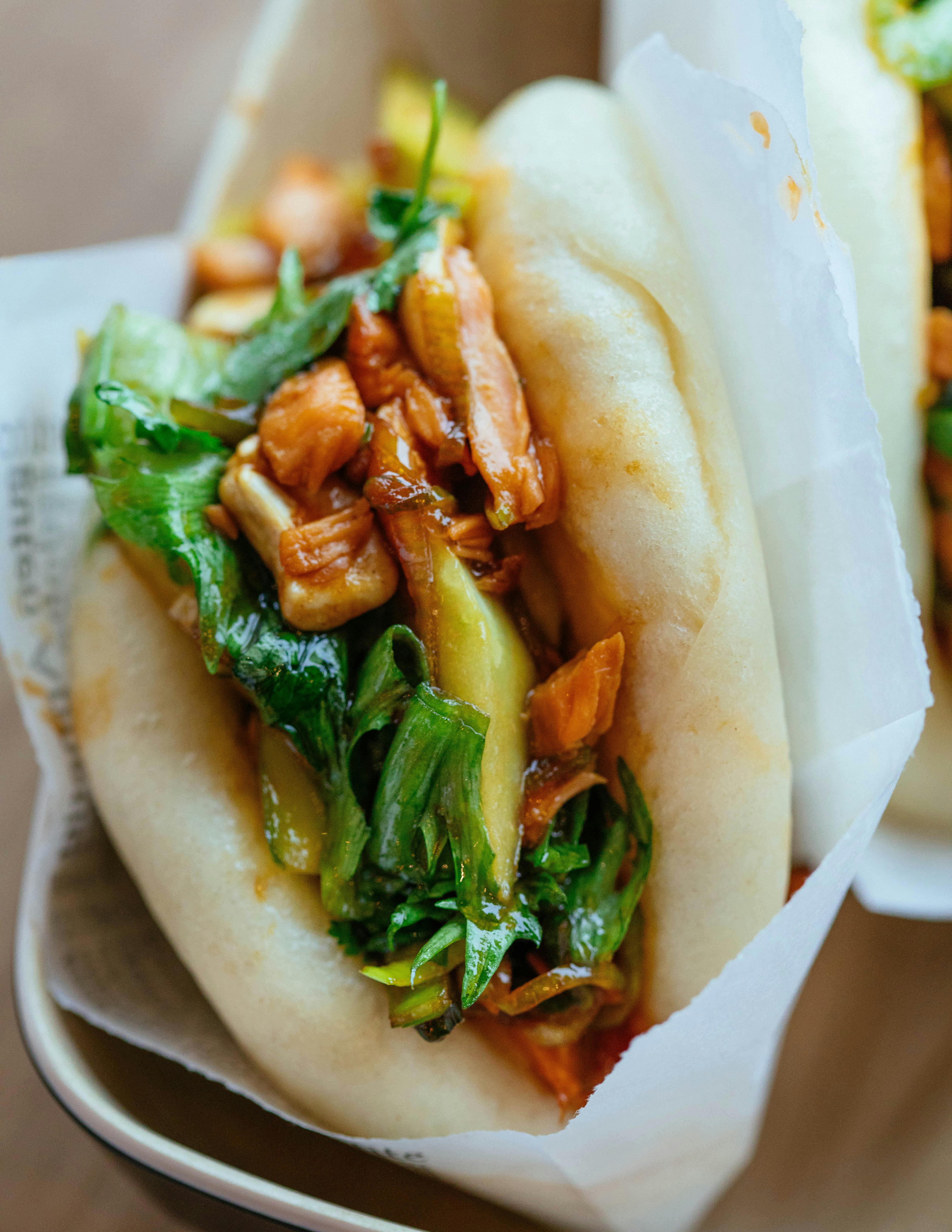
The Art of Shaanxi Roujiamo: Millennia of Wheat Heritage and Slow-Braised Pork
Tracing its ancestry back over two thousand years, Shaanxi's Roujiamo is an enduring staple of China's ancient northern wheat culture. Achieving perfection requires dual mastery over both the bread and the meat. The 'Baiji Mo' is a dense, low-hydration flatbread rolled into a spiral and seared on a dry cast-iron griddle to form its signature 'tiger skin' pattern, before being baked over clay-oven embers to create a crisp exterior with a hollow pocket. Meanwhile, the 'La Zhi Rou' filling utilizes premium pork belly simmered for eight hours in a rich, multi-generational master stock infused with Shaoxing wine and over twenty traditional botanicals like black cardamom and cloves. The result is exceptionally tender pork that is coarsely chopped, splashed with its own concentrated broth, and stuffed into the warm, crackling flatbread, delivering a profound explosion of sweet-savory joy.
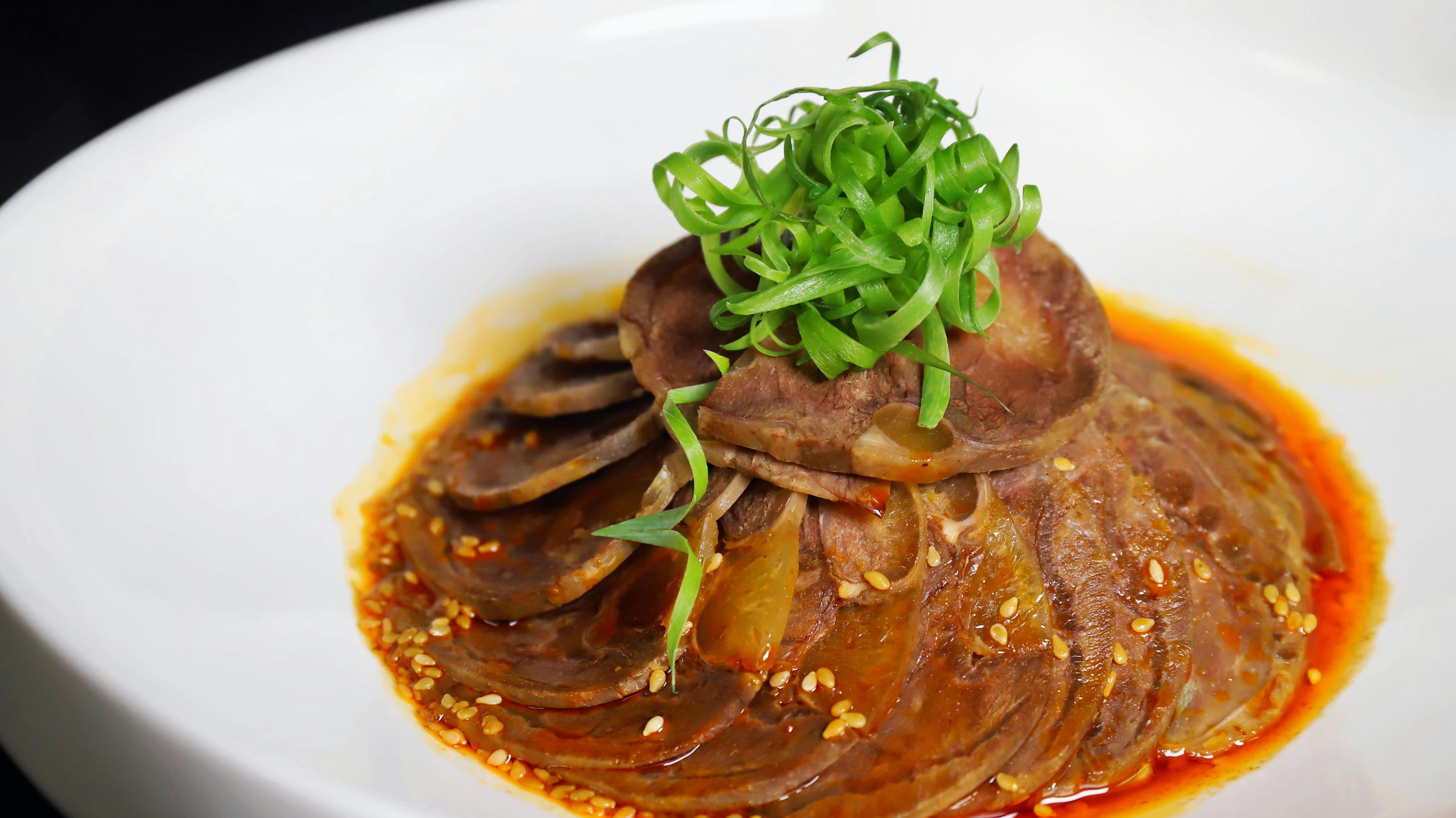
Chaoshan Beef Hot Pot: Culinary Minimalism and Hyper-Specialized Knife Mastery
In a world dominated by heavy spices, Teochew Beef Hot Pot stands as a refined, minimalist celebration of absolute ingredient freshness and anatomical precision. Operating on a strict farm-to-table timeline, the beef is served within four hours of butchery, completely avoiding refrigeration to preserve its delicate cellular integrity. The clear broth is a masterclass in restraint, prepared by gently simmering blanched beef leg bones with white radishes and dried flatfish for six hours to yield a pale gold, naturally sweet liquid. The highlight of the meal is the butcher's razor-sharp cleaver work, carving the meat against the grain into paper-thin, translucent sheets of distinct cuts like 'Sanbata' (marbled rib-eye cap) and 'Wuhua Zhi' (crispy shank). Cooked using a precise 'three dips and three lifts' technique in simmering broth and paired with golden-brown Shacha sauce, the beef melts effortlessly on the tongue.
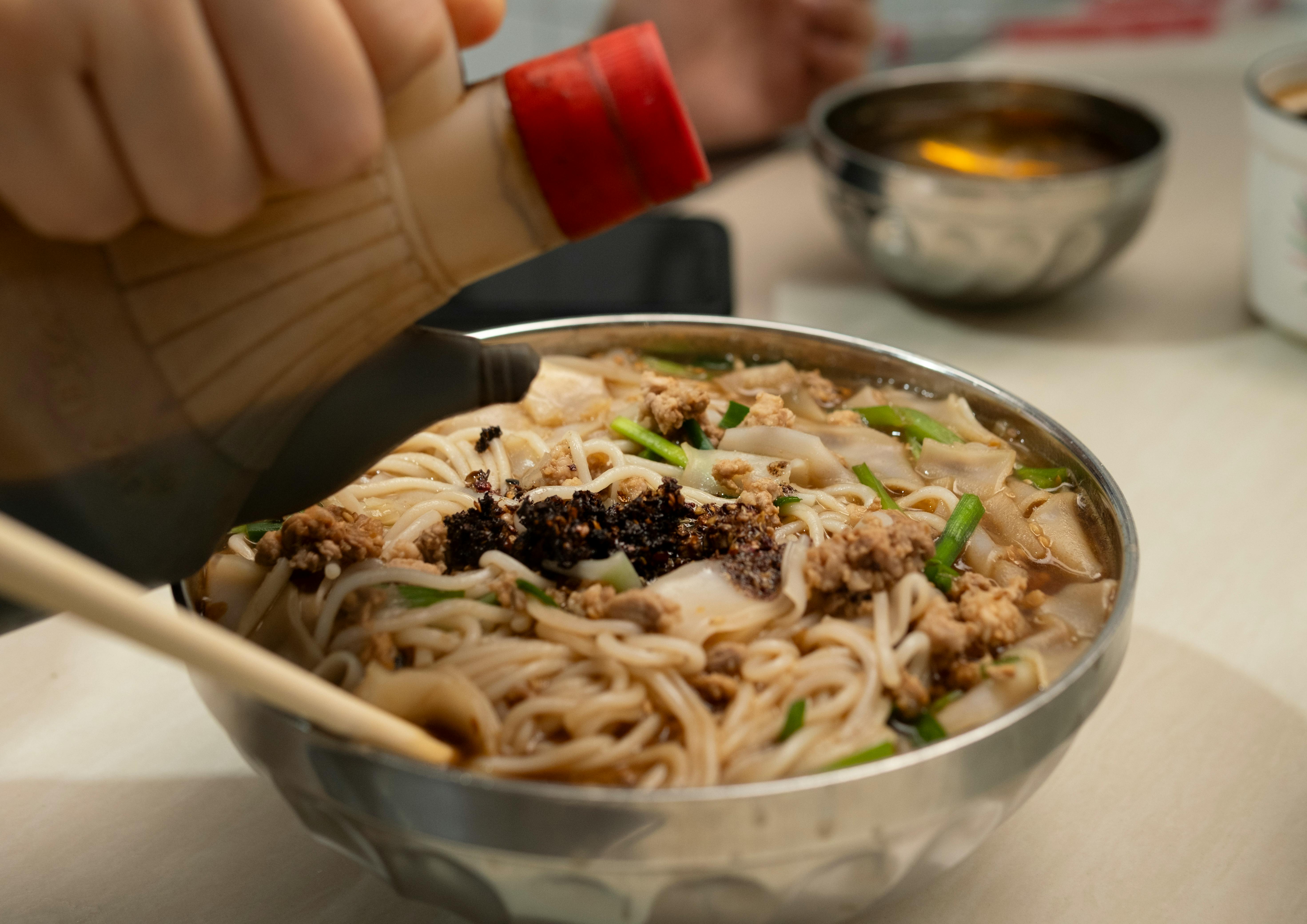
Biang Biang Noodles: The Kinetic Energy and Fire-Sear Culture of Xi'an
Named after the rhythmic sound of dough slapping against wooden counters, Biang Biang Noodles showcase the peak of Shaanxi hand-pulled noodle craftsmanship. The process begins with high-protein winter wheat flour, heavily kneaded and rested for hours to allow the gluten network to relax from elastic to highly extensible. Chefs pull and bounce the dough using gravitational momentum to seamlessly elongate it into a wide, thick ribbon over a meter long. Once boiled for ninety seconds, these fresh noodles achieve a unique 'Duanduan' texture—chewy on the edges and silky in the center. Assembled in a ceramic bowl, they are topped with minced garlic, ginger, scallions, and vibrant Shaanxi chili flakes. The dish culminates in the 'Youpo' technique, where smoking-hot rapeseed oil is poured directly over the spices, instantly caramelizing the chilis and releasing a glossy, fragrant crimson sauce.

Shunde Yusheng: Ancient Traditions and Culinary Precision in Chinese Raw Fish
Hailing from Shunde, the culinary cradle of Cantonese gastronomy, Yusheng is a breathtaking raw fish platter that predates Japanese sashimi by centuries. Utilizing freshwater grass carp, the process begins with fifteen days of biological purification in fast-flowing spring water, tightening the muscle fibers and eliminating any earthy pond flavors. The fish undergoes absolute exsanguination to ensure a flawless, snowy-white translucency, followed by an intricate 'butterfly cut' that yields slices less than one millimeter thick, creating a crisp, snapping mouthfeel. The dining ritual is highly interactive: the cold fish slices are surrounded by up to fifteen finely shredded accompaniments, including pickled leeks, lemongrass, ginger, and fried taro ribbons. Tossed together with a drizzle of cold-pressed peanut oil and a pinch of sea salt, the dish offers a magnificent symphonic explosion of clean, sweet, and aromatic sensations.

The Secrets of Hangzhou Beggar's Chicken: Clay-Encapsulated Slow Baking and Herbal Fusion
Deeply rooted in Jiangnan's imperial folklore, Hangzhou Beggar's Chicken is a flawless showcase of clay-baking thermodynamics. This historic recipe achieves unparalleled moisture retention by completely sealing a premium free-range chicken marinated in aged Shaoxing wine, honey, and five-spice powder. The bird's thoracic cavity is tightly stuffed with a savory mixture of pork belly, mushrooms, and bamboo shoots, then wrapped sequentially in fresh, tea-scented lotus leaves and parchment paper. The entire package is then encased in a thick shell of specialized cooking clay and slow-baked under charcoal embers for four hours. This natural pressure-cooking environment forces vaporized herbal aromas and rich pork fats deep into the chicken, dissolving its collagen into gelatin. Broken open ceremonially with a wooden mallet at the table, the clay shatters to reveal incredibly succulent meat that falls away from the bone at the mere touch of a chopstick.

Yunnan Crossing the Bridge Noodles: A Thermodynamic Masterclass in Tableside Gastronomy
Originating from Mengzi in southern Yunnan, 'Crossing the Bridge' Rice Noodles (Guoqiao Mixian) is a brilliant interactive dining system based on clever culinary physics. The dish utilizes a deceptive lipid insulation barrier to keep food piping hot without visible steam. Master chefs build a massive foundation of concentrated broth from old hens, Xuanwei ham, and marrow bones, sealing the surface with a thick, unbroken layer of rendered chicken fat and camellia oil that traps the liquid at nearly 105 degrees Celsius. Diners act as tableside chefs, sliding paper-thin sheets of raw pork, chicken, and squid into the volcanic broth, where they flash-cook and sterilize within three seconds. Fresh vegetables and slippery, fermented Yunnan rice noodles are introduced next. Breaking the thermal seal releases a dramatic cloud of savory steam, resulting in an exceptionally clean, comforting dish where salty ham flavors harmonize perfectly with velvety rice strands.
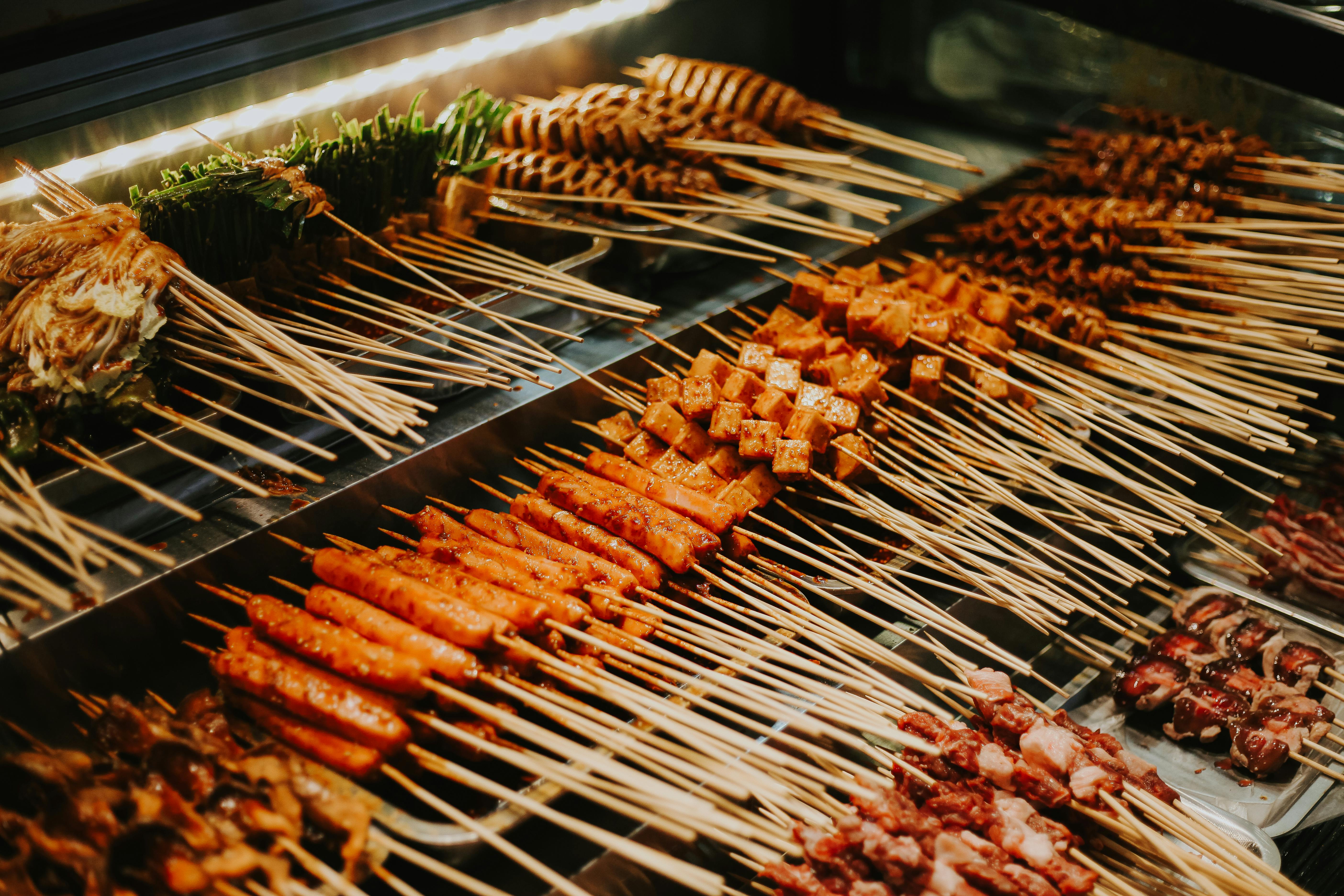
Leshan Bobo Ji: The Chemistry of Cold Chili-Oil Steeping and Sichuan Aromatics
Hailing from the riverine city of Leshan, Bobo Ji is a vibrant branch of Sichuan street-food culture that redefines cold appetizers. Named after the traditional terracotta pot ('Bobo') in which it is served, this dish utilizes a sophisticated cold-steeping process to extract subtle aromatic nuances from intense spices. Diverse bite-sized ingredients—ranging from tender chicken skin and duck gizzards to crisp lotus roots—are meticulously skewered, poached at controlled temperatures to preserve their ideal crunch, and instantly shocked in ice water. The skewers are then submerged for thirty minutes in a deep crimson bath of clear chicken stock fortified with an artisanal, herb-infused red chili oil and fresh green Sichuan peppercorns. Dusted with toasted white sesame seeds, every bite offers a refreshing contrast where a cooling, crisp physical crunch meets an addictive, tongue-tingling wave of numbing heat.
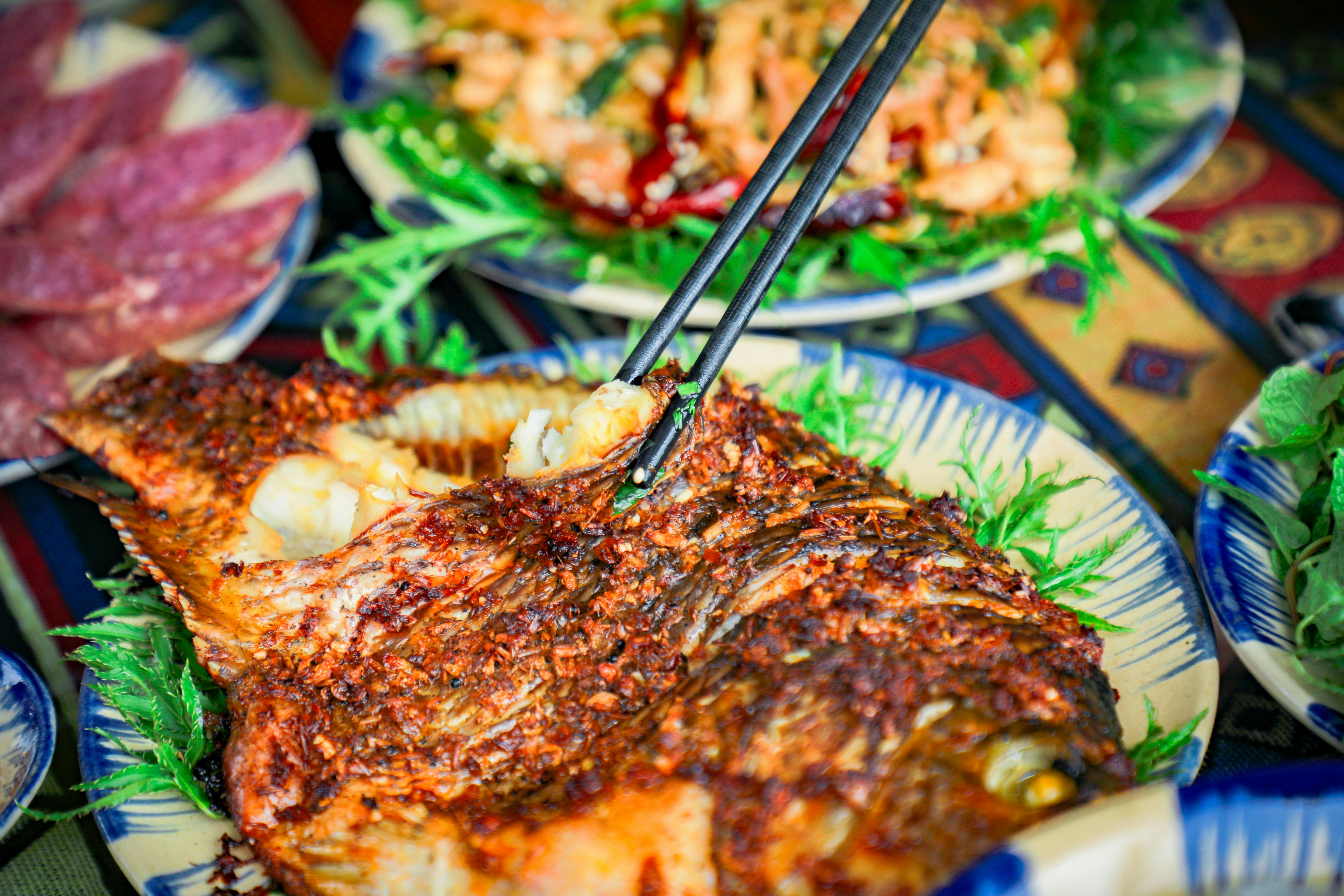
Wanzhou Kao Yu: The Multi-Stage Metamorphosis of Chongqing's Charcoal-Grilled Braised Fish
Deeply tied to the rugged terrain of the Three Gorges region, Wanzhou Grilled Fish (Kao Yu) is a high-energy triumph of modern Sichuan gastronomy. Rejecting linear cooking methods, it pioneers a multi-stage metamorphosis that blends the smoky char of a fruitwood charcoal grill with the slow-braising mechanics of traditional hot pot. A butterfly-sliced freshwater fish undergoes a dry-rub cure with sorghum Baijiu and ginger to firm up its proteins before being aggressively grilled to blister the skin into a crackling, smoky armor. The grilled fish is then transferred to a heavy rectangular iron hot plate, where it is submerged in a rich magma of melted beef tallow, fermented Pixian chili bean paste, whole dried chilis, and base vegetables. As the iron platter simmers tableside, the spicy, umami-rich oil slowly penetrates the blistered skin, ensuring the white meat underneath remains velvety, moist, and intensely saturated.
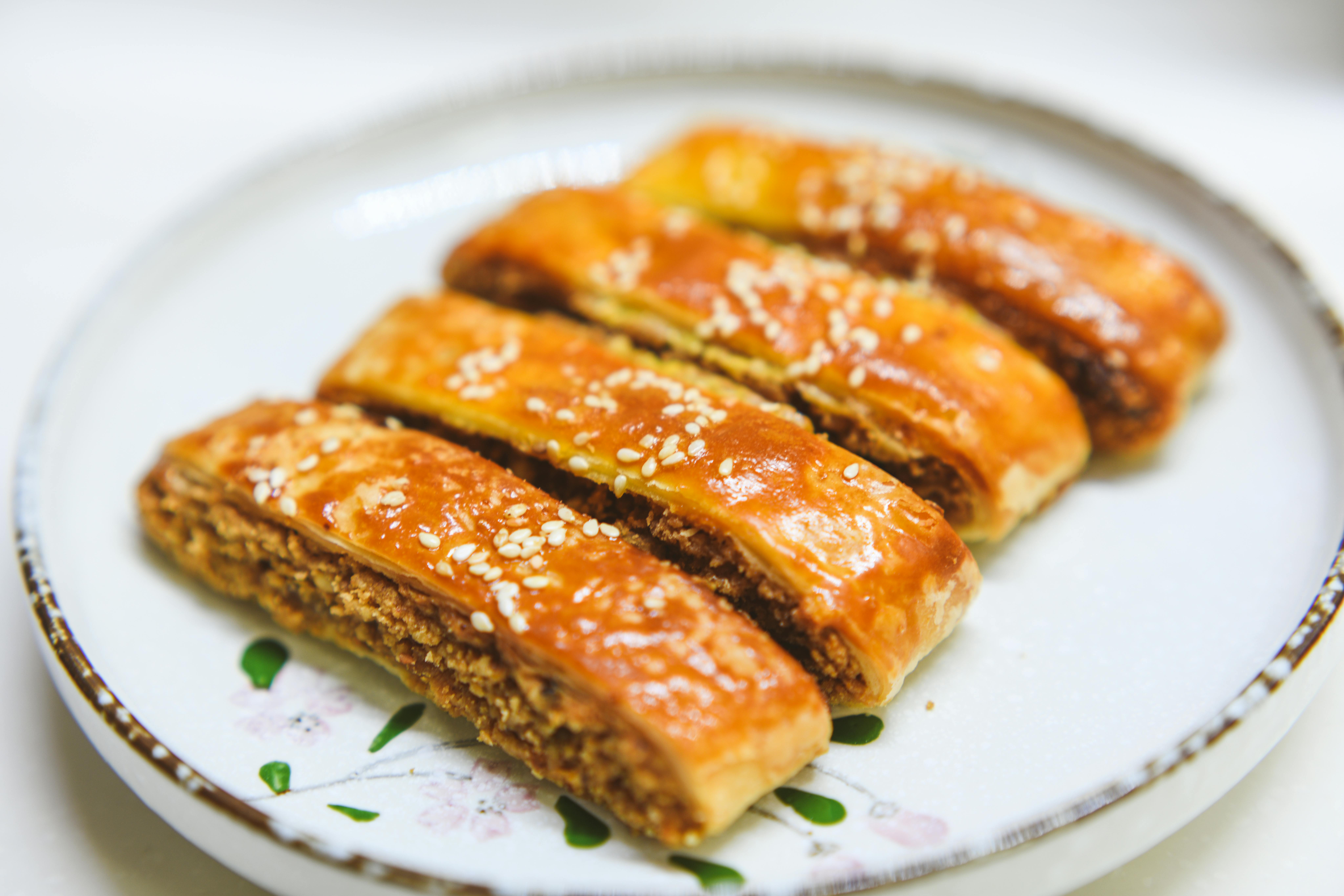
Shunde Ginger Milk Pudding: An Astonishing Miracle of Biochemical Enzyme Coagulation
Shunde's Ginger Milk Pudding (Jiang Chuang Nai) is a brilliant example of spontaneous biochemical physics in Chinese dessert history. Completely rejecting traditional binding agents like gelatin or starch, its transformation from fluid to a pristine, spoon-supporting solid relies entirely on a temperature-controlled, enzyme-catalyzed reaction. The alchemy combines unpasteurized water buffalo milk—highly prized for its dense concentration of casein proteins—with the freshly squeezed juice of old yellow ginger, which is rich in a proteolytic enzyme called zingipain. Heated to a precise window of 75 to 80 degrees Celsius, the milk is aggressively poured or 'collided' into the ginger juice from a height to ensure instant mixing. Left undisturbed under a saucer for three minutes, the zingipain destabilizes the milk proteins into an interconnected three-dimensional microscopic network, creating a glossy pudding that melts instantly on the palate like silk.
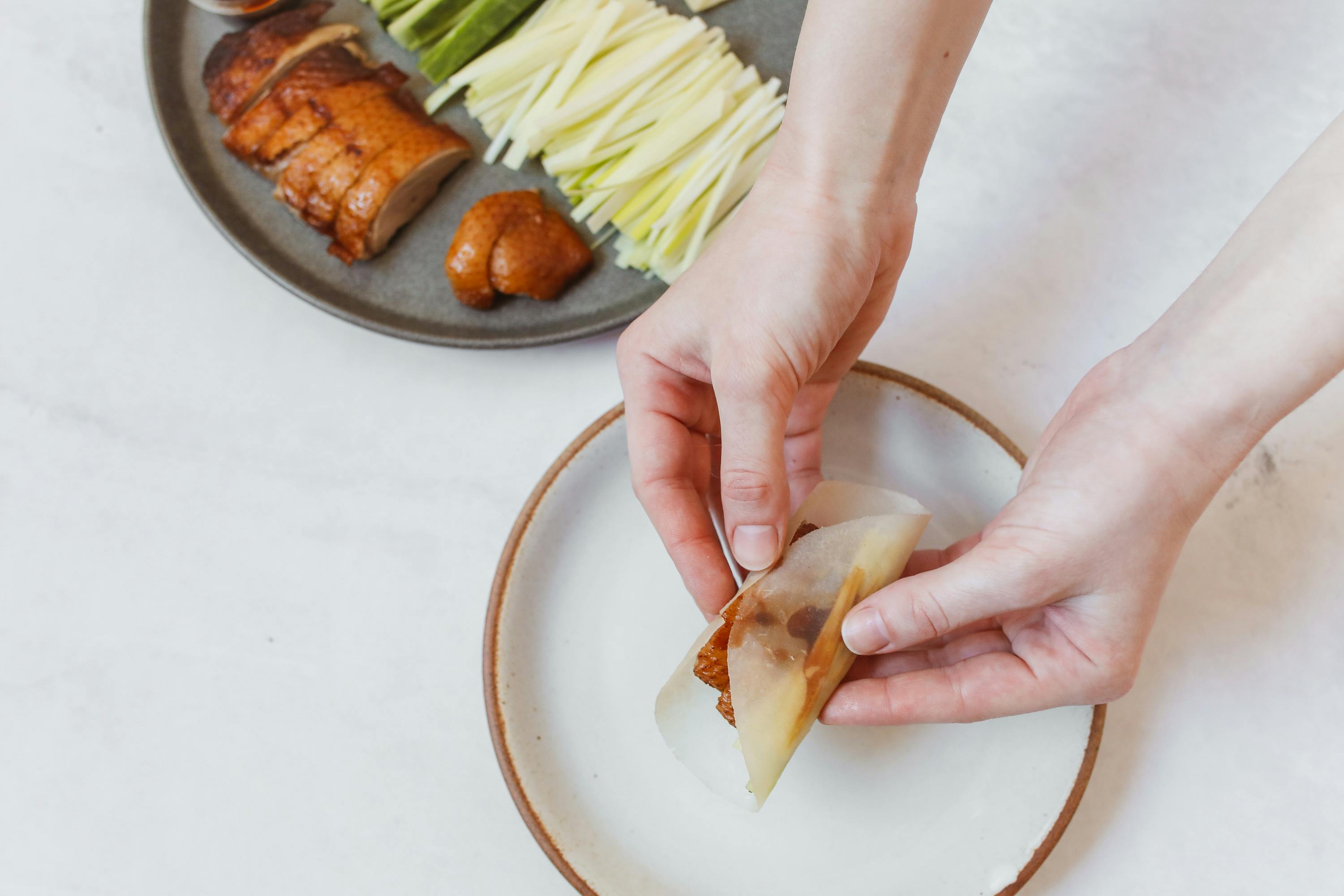
The Imperial Peking Duck: Subcutaneous Inflation and Fruitwood Roasting Mastery
Steeped in royal history spanning the Ming and Qing dynasties, Peking Duck is a monumental achievement in classical Chinese gastronomy. To create its signature shatteringly crisp skin and extraordinarily juicy flesh, master chefs pump high-pressure air beneath the skin of a premium White Pekin duck, creating a thermodynamic barrier that prevents internal steam from soaking the hide during roasting. The bird is then scalded, glazed with a maltose-vinegar syrup, and air-dried for 48 hours to dehydrate the skin and tenderize the meat. Roasting takes place in an open oven fueled by aged fruitwoods like jujube and apple logs. At 180 degrees Celsius, the rendering subcutaneous fat fries the skin from within while the maltose undergoes intense Maillard browning. Carved into exactly 108 uniform slices, the duck delivers a smoky, buttery crunch that melts effortlessly onto the palate.
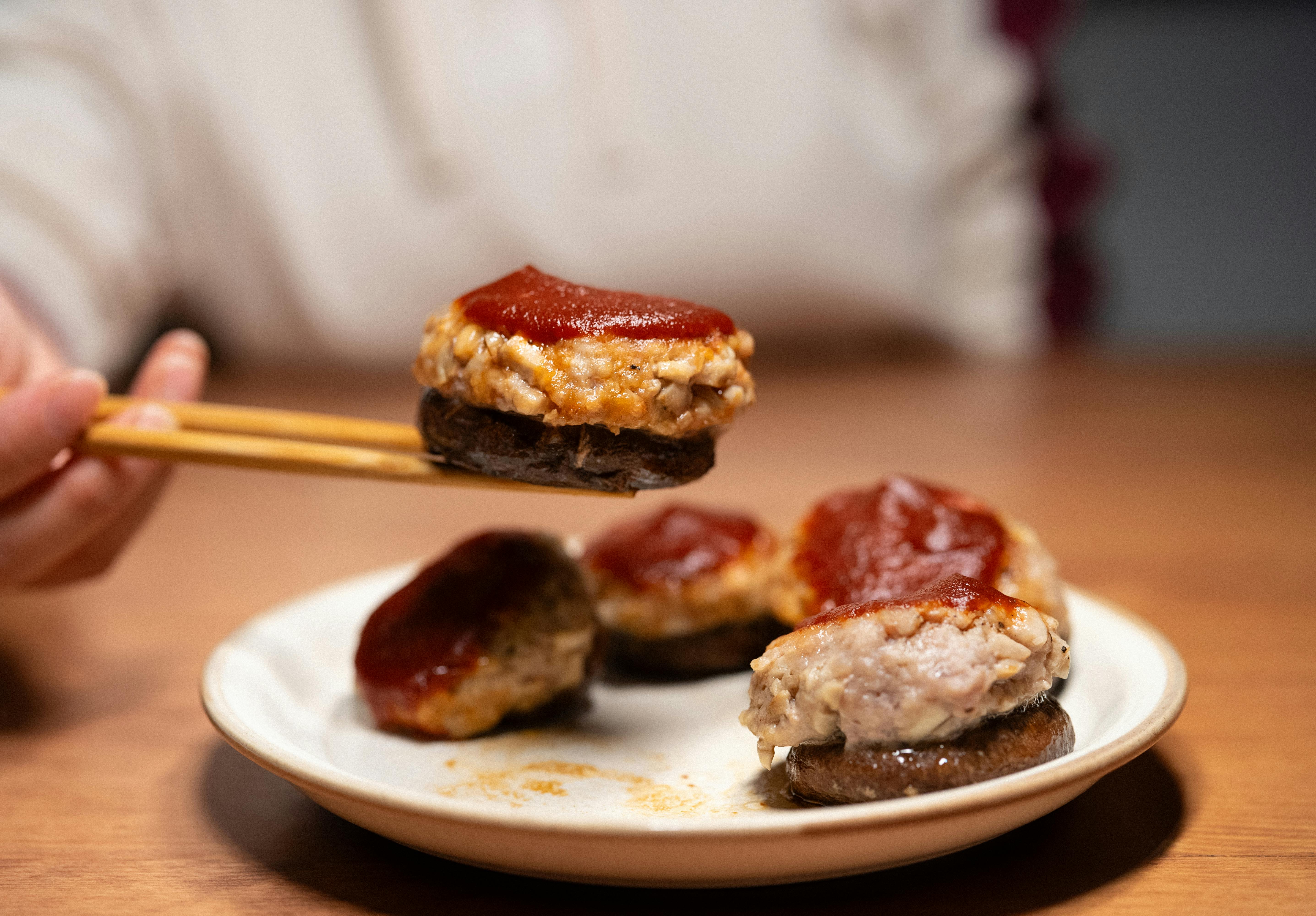
Huaiyang Lion's Head Meatballs: The Art of Manual Dicing and Protein Emulsification
Representing the refined, aristocratic heritage of Huaiyang cuisine, Yangzhou Lion's Head Meatballs are a masterclass in gentle heat conduction and manual pork texturing. Rejecting mechanical grinders that crush meat fibers, chefs use a heavy cleaver to meticulously hand-dice premium pork belly into uniform 3-millimeter cubes, locking in the natural cell juices. The meat is then seasoned with ginger juice and scallion water, and aggressively stirred in a clockwise direction for thirty minutes. This physical agitation extracts muscle myosin, creating a natural protein emulsion that binds the meatball without starches or eggs. Cradled in a clay pot filled with clear chicken broth and covered with a protective blanket of fresh napa cabbage leaves, the spheres simmer for four hours, transforming tough collagen into a texture so remarkably ethereal that it dissolves like a cloud of savory pork essence.
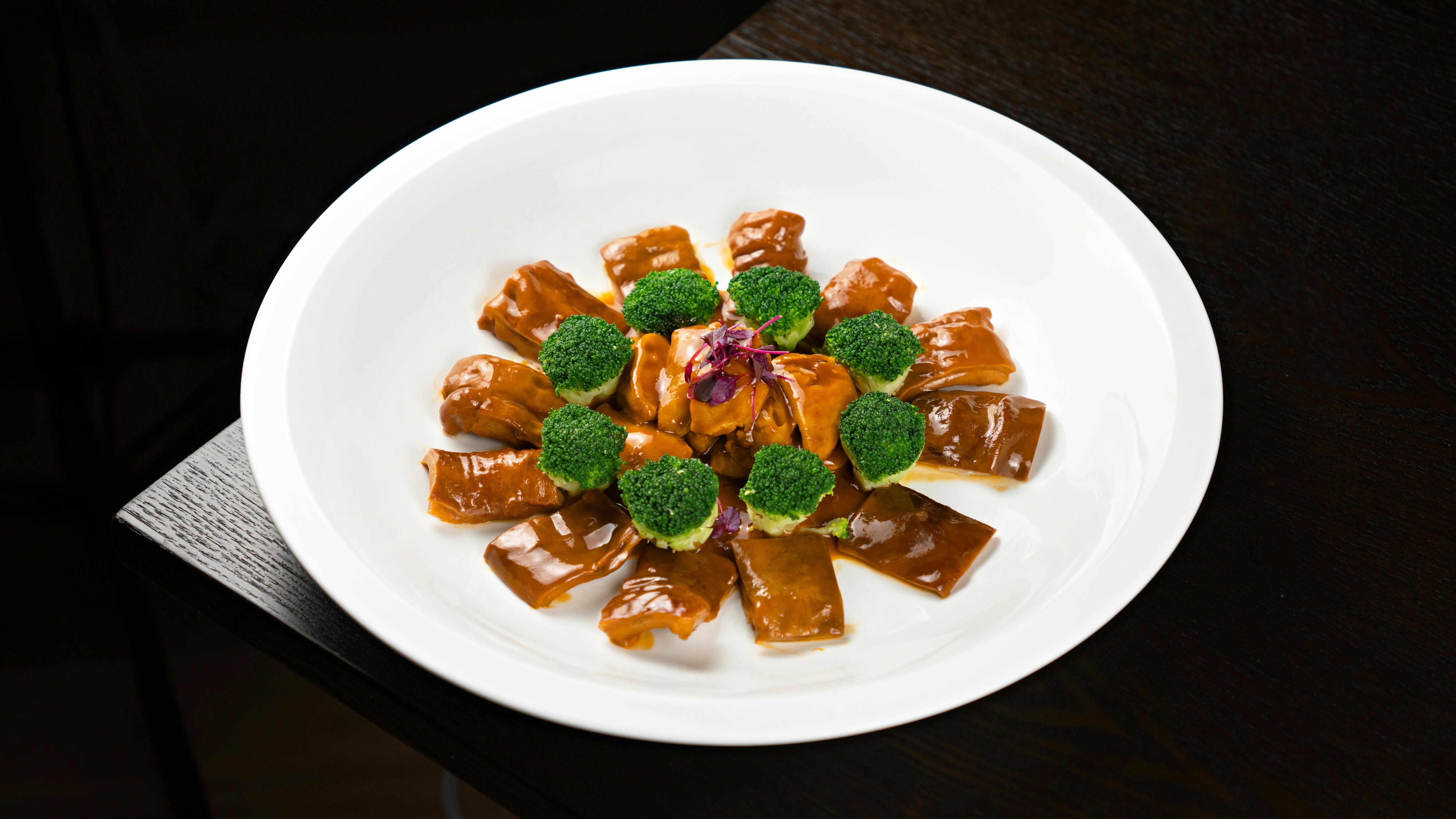
Hangzhou Dongpo Pork: Low-Oxygen Terracotta Vaporization and Sugar-Soy Caramelization
Named after the legendary Song Dynasty poet Su Dongpo, this iconic Hangzhou masterpiece is a sophisticated study in slow fat-rendering and intense caramelization. Flawless, five-layered pork belly slabs are blanched, tied with kitchen twine, and placed skin-side down on a dense bed of green scallions and ginger inside a heavy terracotta clay pot. Flooded entirely with aged Shaoxing yellow rice wine, dark soy sauce, and rock sugar—without a drop of water—the vessel is sealed airtight with wet paper to create a low-oxygen environment. Simmered over a gentle fire for three hours, the high alcohol content breaks down connective tissues into smooth gelatin. A final high-heat steam session forces out any remaining heavy oils, leaving a glistening, dark ruby-red jewel that is rich, deeply aromatic, and melt-in-your-mouth tender.
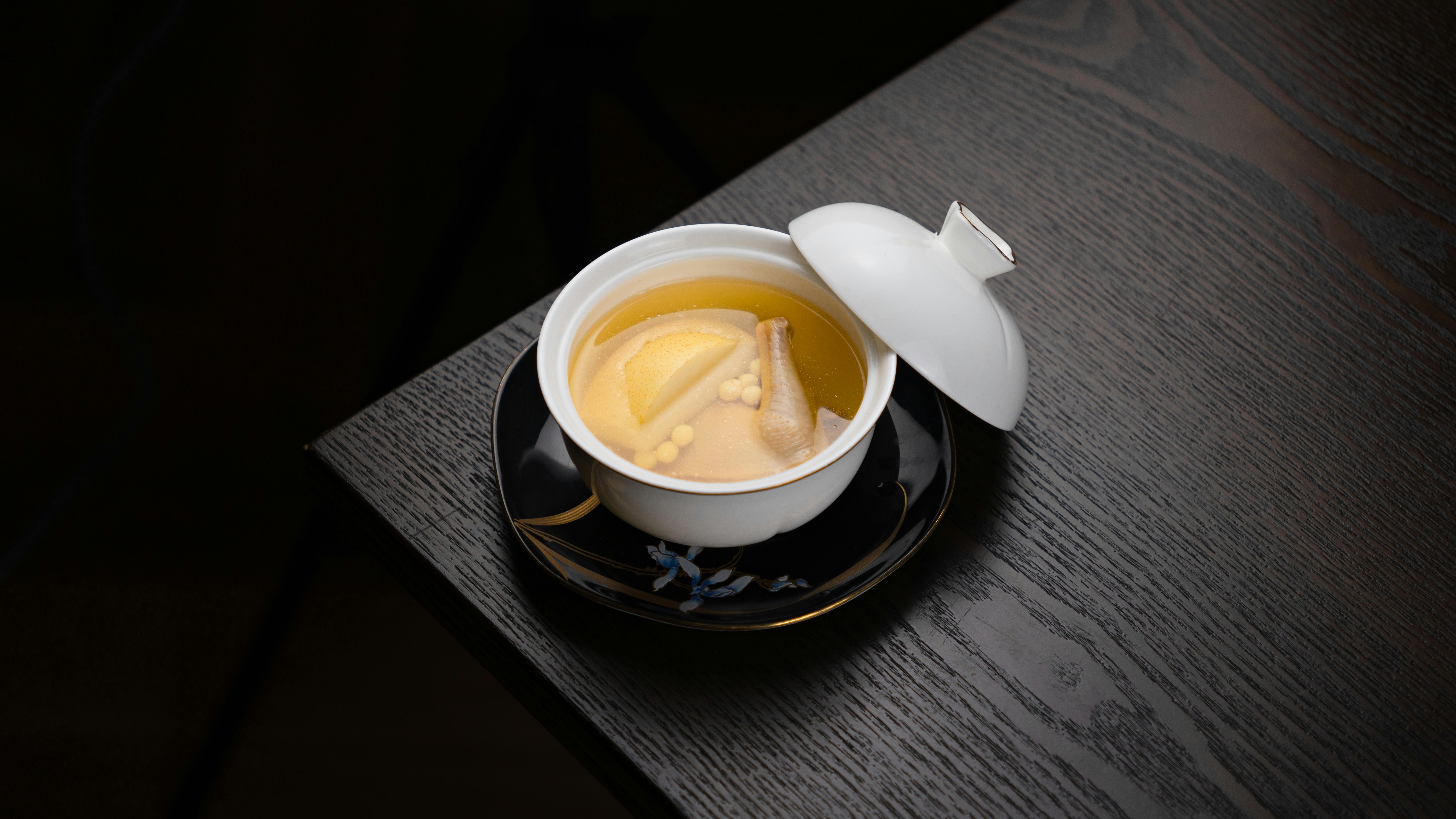
Fujian Buddha Jumps Over the Wall: A Luxurious Symphony of Terrestrial and Marine Extraction
Hailing from Fuzhou, 'Buddha Jumps Over the Wall' (Fotiaoqiang) is the undisputed monarch of Chinese banquet soups, famed for an aroma so intoxicating it could tempt a monk to break his vows. This monumental culinary undertaking utilizes up to thirty ultra-premium marine and terrestrial ingredients—including sea cucumbers, dried abalone, fish maw, Conpoy, and Xuanwei ham. Each luxury component is prepared separately before being layered inside a specialized terracotta wine jar, flooded with a twelve-hour master broth, and sealed tightly with fresh lotus leaves. Simmered undisturbed over charcoal for six hours, the land-based proteins chemically combine with the sea-salted glutamates of the marine delicacies. This closed micro-environment triggers a powerful umami synergy, yielding a thick, amber elixir with profound, multi-layered depth.
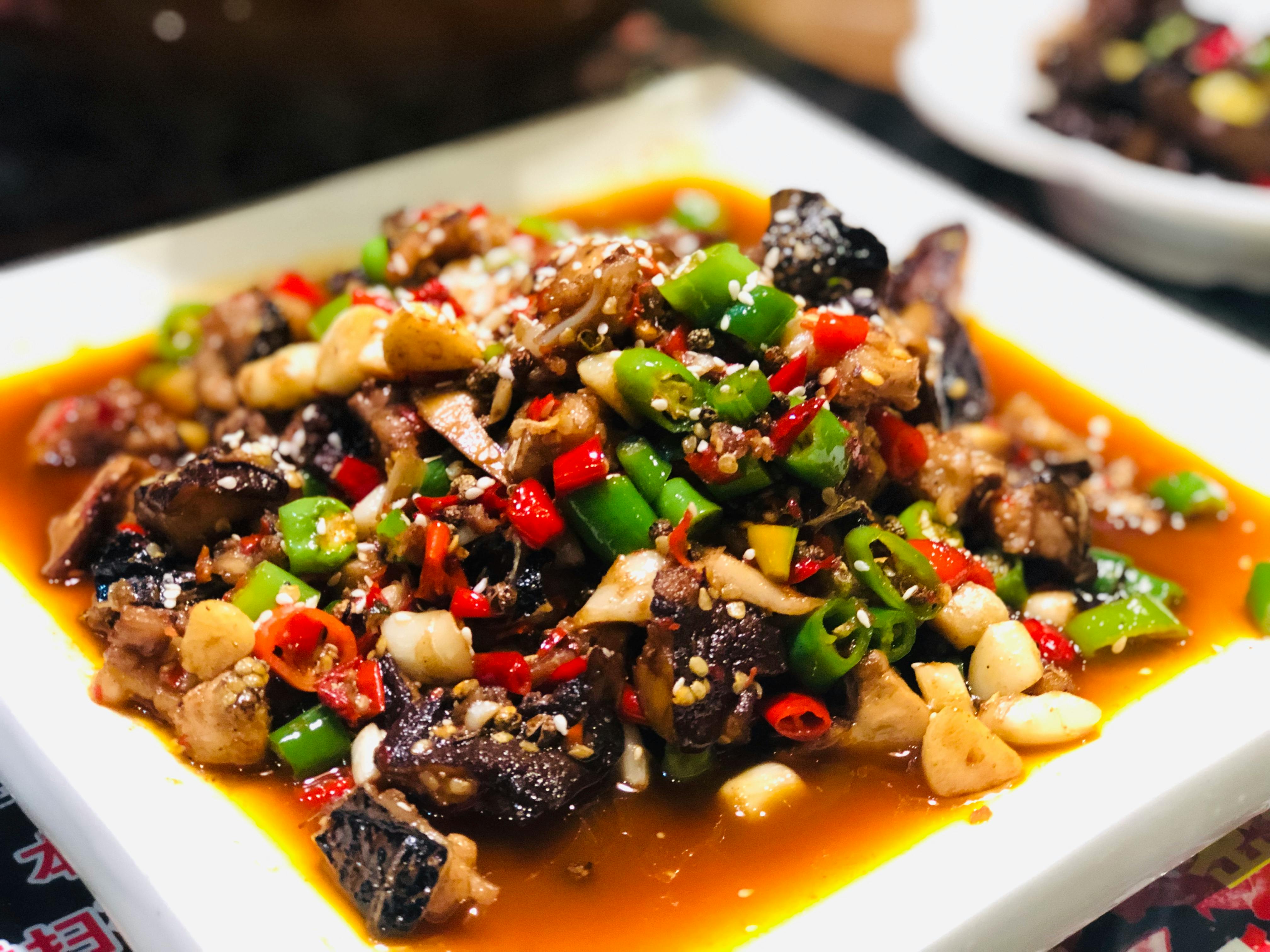
Authentic Sichuan Kung Pao Chicken: High-Velocity Wok Hei and Flash Sauce Emulsification
Created by a late-Qing dynasty governor, Kung Pao Chicken is a hyper-fast masterclass in precision wok thermodynamics and 'Xiaolizhi' (subtle sweet-and-sour) sauce wrapping. Premium chicken thigh cubes are marinated and flash-seared at 230 degrees Celsius in a carbon steel wok. The cooking starts with a two-second flash-fry of Erjingtiao chilis and Sichuan peppercorns, infusing the oil with a smoky, capsaicin-rich aroma known as 'Hulaji.' Once the meat is flash-seared to lock in its juices, a pre-mixed bowl sauce of dark vinegar, rock sugar, and cornstarch is poured into the vortex. The cold liquid hits the roaring hot wok walls, vaporizing and gelatinizing in seconds. Aggressive wok flips instantly emulsify the liquids, coating each chicken cube in a glossy, velvety crimson glaze topped with crunchy roasted peanuts.
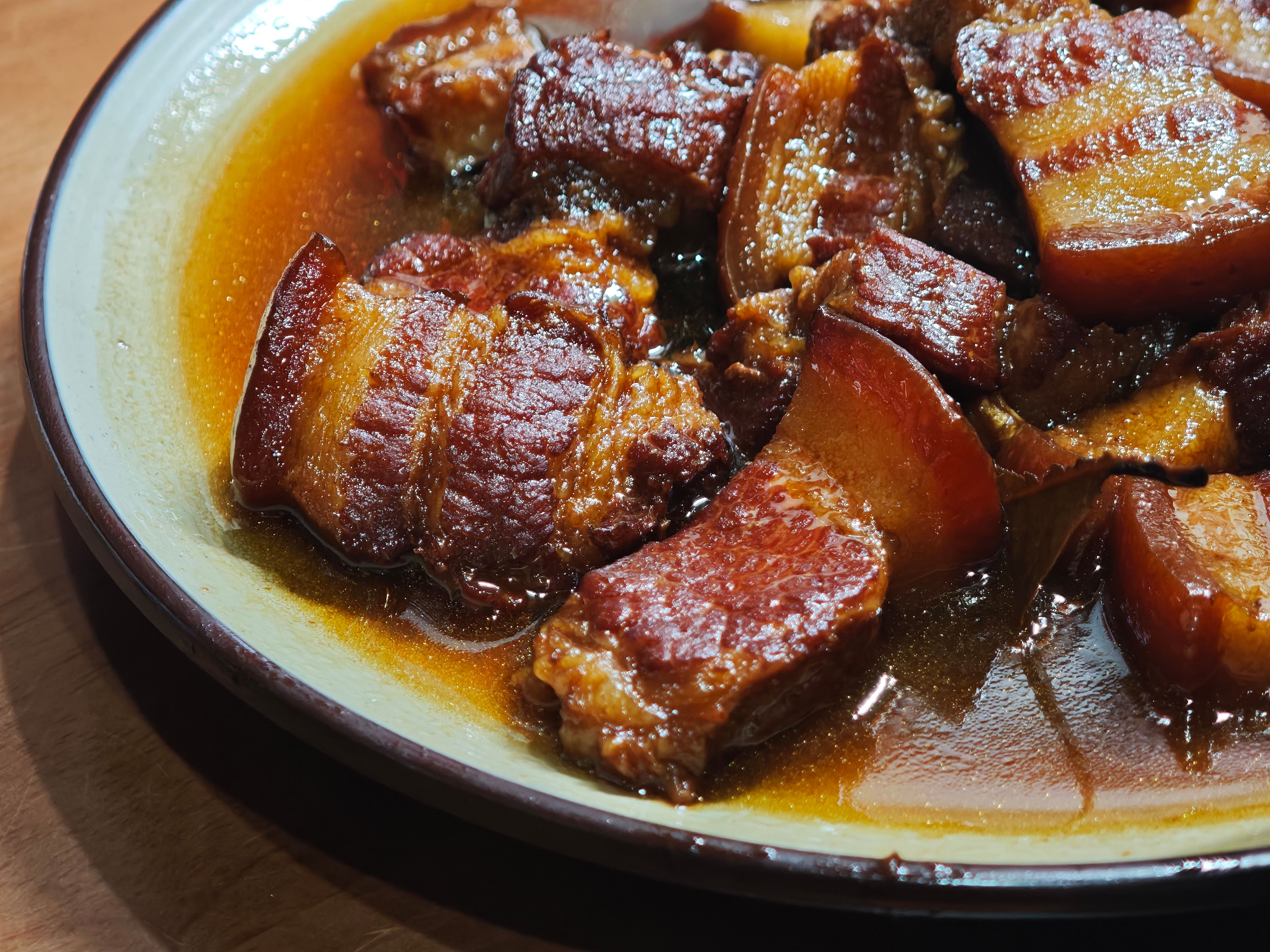
Mao Shi Hongshao Rou: The Pure Sugar-Caramel Glaze of Hunan's Iconic Braised Pork
Deeply embedded in the rustic culinary traditions of Hunan, Chairman Mao's favorite red-braised pork is a brilliant masterclass in soy-sauce-free purity. Rather than using commercial soy sauces, authentic Hunan chefs rely entirely on a meticulously controlled 'sugar color' (Tangse) thermal reaction. Rock sugar is slowly melted with water until it undergoes thermal decomposition, transforming into a bittersweet amber liquid that wraps premium, 3-centimeter five-layer pork belly cubes in a glowing caramel layer. Braised for two hours alongside ginger, garlic, star anise, Shaoxing wine, and fiery dried Hunan chilis, the rendered pork fats emulsify with the caramelized sugars. A final high-heat reduction yields a sticky, translucent ruby glaze over meltingly tender meat, offering a smoky sweetness perfectly balanced by creeping chili heat.
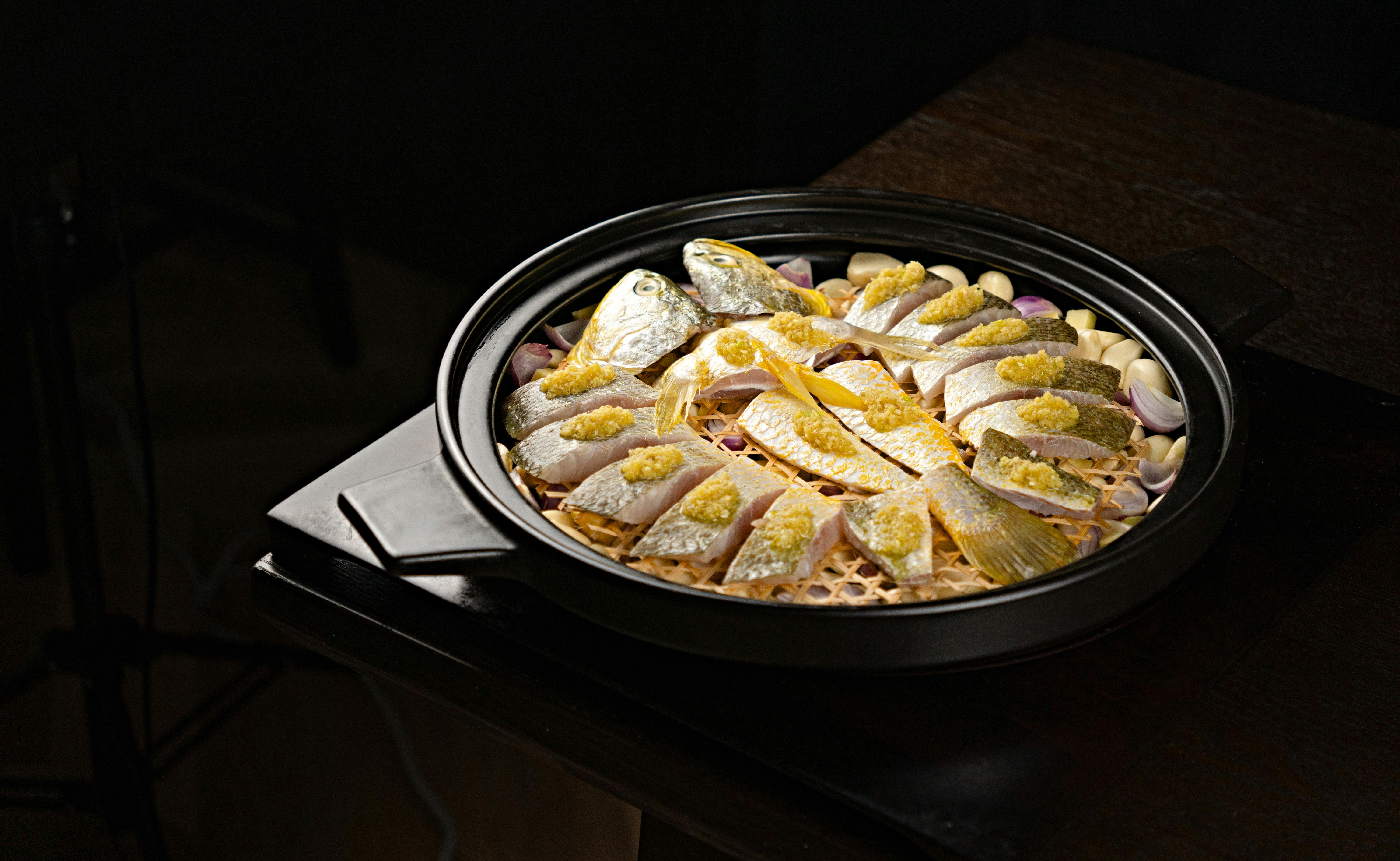
Suzhou Style Smoked Fish: Double Flash-Frying and Thermal-Shock Osmosis
Hailing from the historic canal city of Suzhou, Su Shi Xunyu is a highly technical triumph of Jiangnan cold-appetizer gastronomy. Named for its signature mahogany appearance rather than actual wood smoking, this dish relies on a unique combination of double-frying and instant spice osmosis. Uniform, leaf-like black carp steaks are first fried at 180 degrees Celsius to establish a rigid framework, then flash-fried at 210 degrees Celsius to forge a blistered, shatteringly crisp crust while locking juices inside the core. The screaming-hot fish is immediately plunged into an ice-cold, highly concentrated syrup of dark soy sauce, rock sugar, and aromatic spices. This extreme temperature differential creates a powerful vacuum, pulling the sweet-savory liquid deep into the fish cells within seconds.
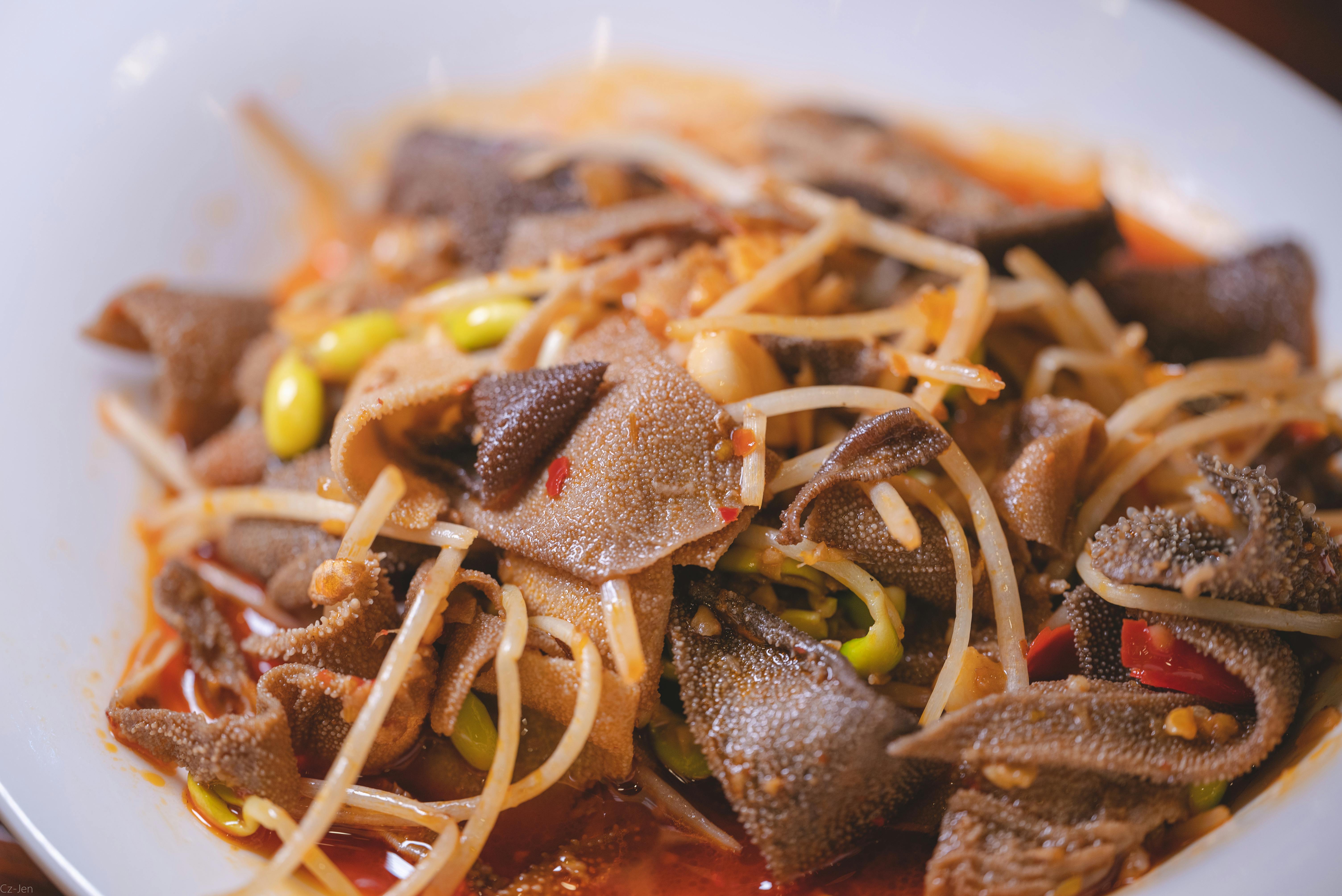
Sichuan Twice-Cooked Pork: The Thermodynamics of Lantern-Bowl Curling and Szechuan Leeks
Considered the definitive baseline of authentic Sichuan home cooking, Twice-Cooked Pork (Huiguo Rou) is a high-velocity study in protein deformation and rapid fat rendering. Premium pork rump (Erdao Rou) is first parboiled with ginger and Sichuan peppercorns to tighten the muscle fibers, chilled, and then sliced into paper-thin 2-millimeter sheets. When tossed into a smoking-hot carbon steel wok, the extreme heat causes the skin to contract sharply and the fat to render, curling the pork into delicate 'lantern bowls' (Dengzhan Wo) engineered to trap sauce. Pixian Doubanjiang and tianmianjiang are fried directly into the rendered oil until it turns a vibrant ruby-red, followed by a ten-second flash fry of fresh green Szechuan leeks, releasing a sweet, aromatic savoriness.

Huizhou Smelly Mandarin Fish: Controlled Proteolysis and Wild Fungal Fermentation
Deeply rooted in ancient Huangshan merchant culture, Huizhou Smelly Mandarin Fish (Chou Guiyu) is an astonishing example of controlled biological preservation. Fresh mandarin fish are rubbed with sea salt and packed tightly under heavy river stones inside cedarwood barrels, creating a semi-anaerobic environment. Over six to eight days at 18 to 22 degrees Celsius, wild local microflora break down neutral muscle proteins into volatile amino acids like glutamic acid, producing a pungent aroma while softening the flesh matrix. Once lightly pan-fried and slow-braised with garlic, ginger, and dried chilis, the offensive odor completely vanishes. The resulting meat breaks into firm, 'garlic-clove-like' flakes that are deeply saturated with a profound, multi-layered umami flavor profile.
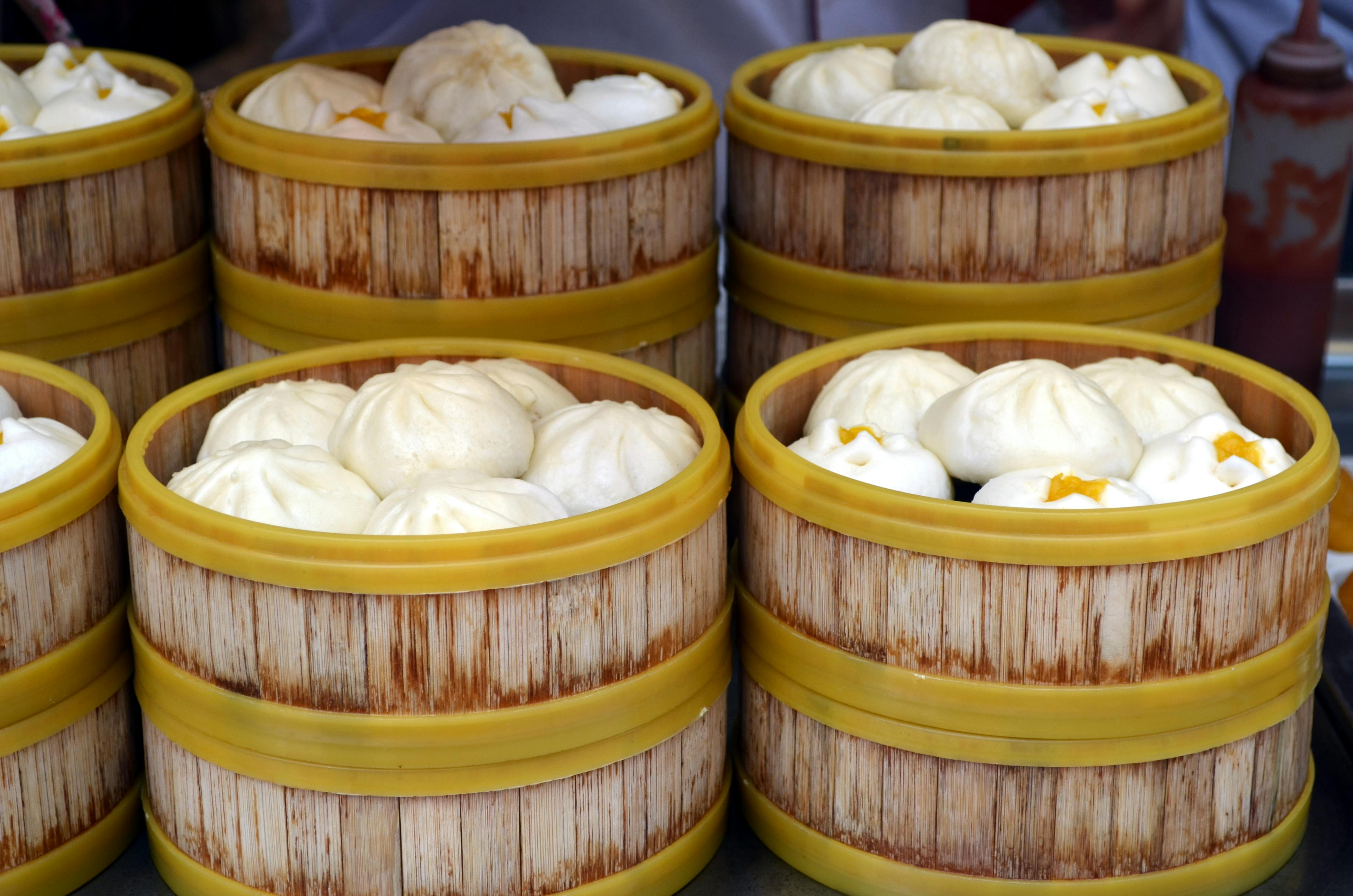
Tianjin Goubuli Baozi: Semi-Fermented Leavening and Geometric Multi-Fold Architecture
Established in 1858, Tianjin's legendary Goubuli Steamed Buns represent a pinnacle monument to northern Chinese wheat craftsmanship. The master baker utilizes a complex 'semi-fermentation' (Ban Fazhong) technique, mixing high-gluten flour with an aged starter to create a dough that possesses the cloud-like fluffiness of a yeast bun, yet retains the moisture-resistant elasticity required to hold liquid fillings. The filling consists of finely minced fatty pork aggressively whipped with cold bone broth and artisanal sesame oil into a rich emulsion. Each bun is wrapped with a hyper-precise geometric choreography, producing a minimum of 18 mathematically perfect folds that twist into a beautiful 'chrysanthemum mouth' before being steamed over a roaring furnace for seven minutes into a molten sphere of pure meat juice.
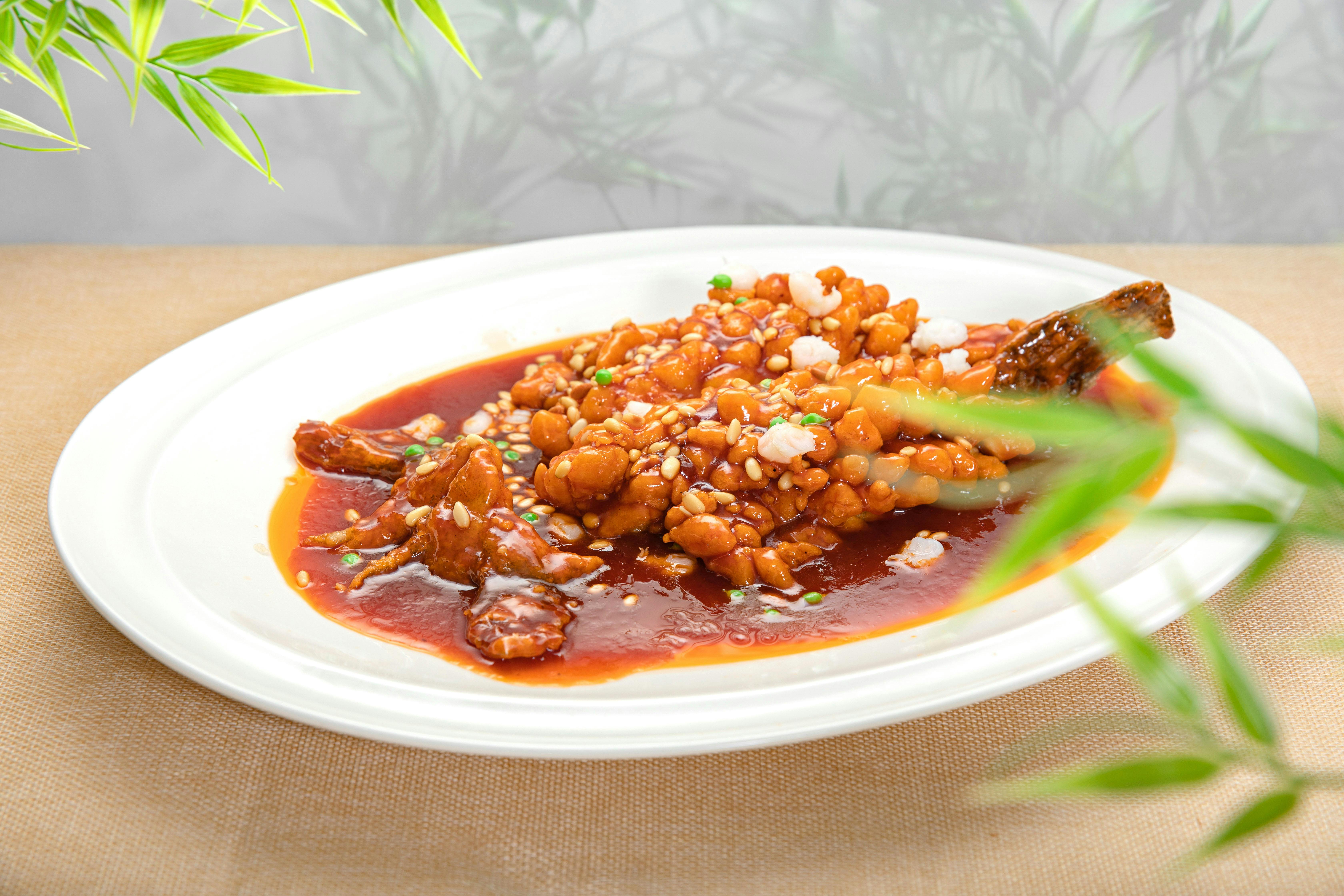
Leshan Sweet Skin Duck: The Synergy of Master Brining and Radiant Maltose Glazing
Hailing from the historic city of Leshan, Sweet Skin Duck (Tianpi Ya) is a highly sophisticated culinary system that fuses traditional Chinese brine-braising with advanced oil convection. The process begins by simmering a whole duck for an hour in a multi-generational master brine (Lu Shui) fortified with Shaoxing wine, light soy sauce, and a silk sachet of over twenty medicinal herbs. After the meat is deeply infused, the duck is air-dried to prepare the skin for a high-heat ladle-frying phase. By continuously pouring 190-degree Celsius vegetable oil over the duck for fifteen minutes, the subcutaneous fats render out, creating a crisp, golden-brown armor. Finally, hot maltose syrup is painted onto the blistering hide, triggering an instant thermal fusion that oxidizes into a glossy, amber candy shell over incredibly moist, savory meat.
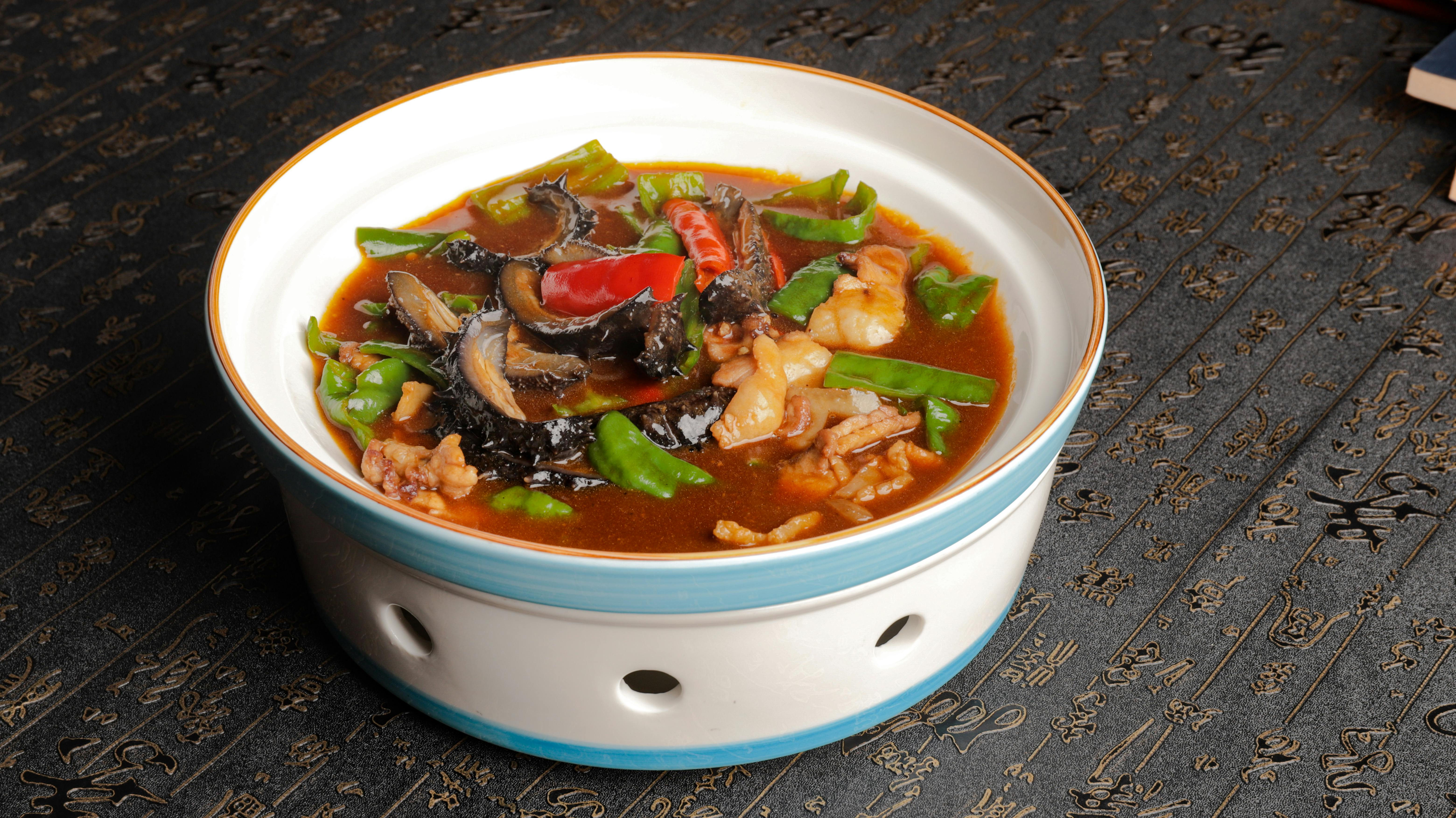
Shaoxing Drunken Chicken: Cold Cellar Osmosis and Aged Nu'er Hong Infusion
Deeply tied to the historic water town of Shaoxing, Drunken Chicken is an elegant masterclass in minimalist seasoning and alcohol-driven molecular osmosis. Premium free-range chicken is gently poached at a strict, non-boiling 90 degrees Celsius to keep the delicate muscle fibers moist and tender. The exact second it achieves core doneness, the bird is plunged into a massive ice-spring bath, triggering a sharp thermal shock that solidifies dissolved collagen into a crunchy, translucent layer of 'jelly fat.' The chicken is then carved and fully submerged in a premium marinade of clay-jar-aged Nu'er Hong rice wine, rock sugar, and goji berries. Cellar-aged for 48 hours, the volatile wine esters replace water molecules within the meat, yielding a cool, snappy skin with a deep, warming aromatic finish.
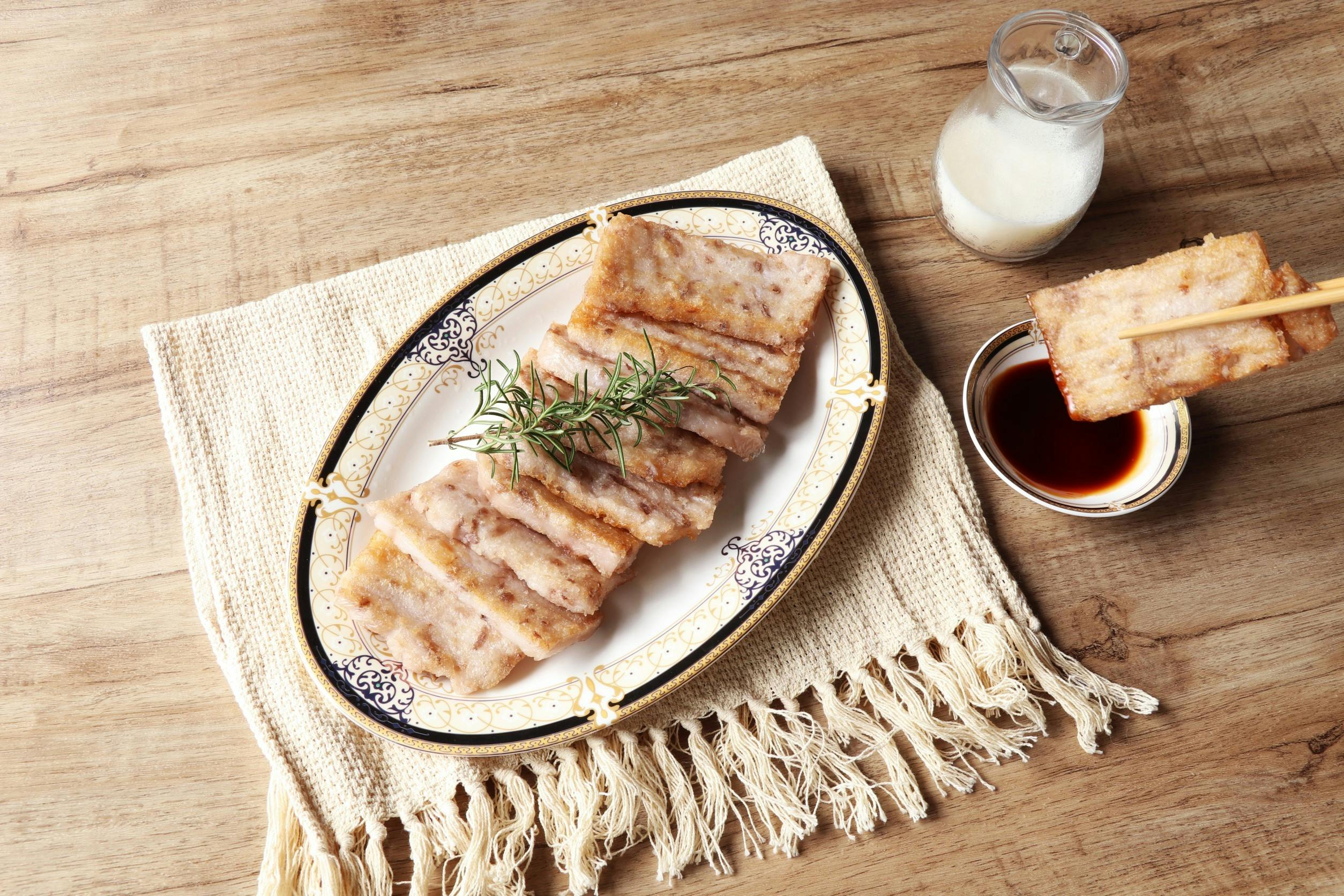
Shunde Stir-Fried Milk: The Thermodynamics of Water Buffalo Milk Coagulation
Hailing from Shunde's Daliang district, Stir-Fried Milk (Daliang Chao Nai) is a stunning triumph of wok thermodynamics that completely subverts liquid physics. By transforming fluid milk into a billowing, solid mountain of layered custard without ever separating or burning, it utilizes unpasteurized water buffalo milk prized for its high fat and casein protein density. The chef whisks the milk with liquid egg whites, cornstarch, sea salt, minced Xuanwei ham, and pine nuts. Cooked over gentle heat coated with cold lard, the chef performs a rhythmic, single-direction 'wave-pushing' motion (Ranchao). The milk never touches high temperatures; instead, the albumins coagulate and bind with the starch, trapping the rich fats into delicate, cloud-like layers that melt instantly on the tongue.
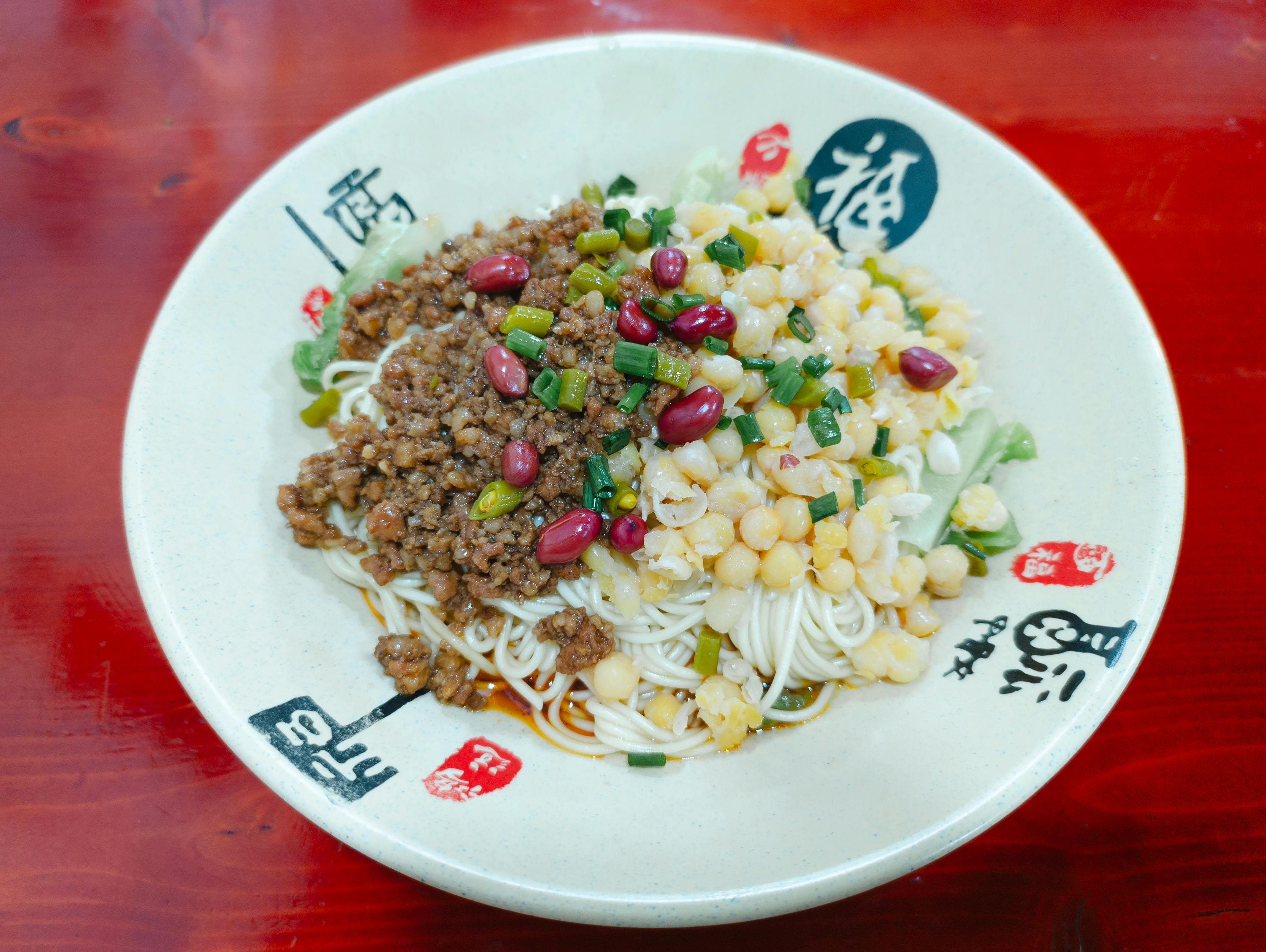
Sichuan Dan Dan Noodles: High-Density Condiment Layering and Starch Emulsification
Born in 1841 as a Chengdu peddler's street food, Dan Dan Noodles showcase precision flavor layering and fat-soluble spice extraction. Rejecting soup-heavy global adaptations, this authentic dry-tossed dish places a complex hierarchy of condiments at the bottom of the bowl. It is crowned with 'Yaosao'—premium pork belly hand-minced and slow-fried until crispy alongside barrel-fermented Yibin Yacai. The bowl's base features a strict sequence of toasted sesame paste, aromatic Baoning dark vinegar, garlic, and herb-infused red chili oil. High-gluten wheat noodles are boiled al dente and transferred directly into the bowl without rinsing. The residual surface starches interact instantly with the hot sauce, triggering a rapid emulsification that coats each strand in a smooth, velvety crimson glaze.
Wuhan Hot Dry Noodles: Alkaline Wheat Chemistry and High-Viscosity Sesame Coating
A cornerstone of Wuhan's fast-paced breakfast culture ('Guozao'), Hot Dry Noodles (Reganmian) utilize alkaline wheat chemistry and a dual-stage preparation system to achieve its signature structural rigidity. The noodle dough is heavily fortified with lye water (Jianshui), tightening the gluten strands to create an exceptionally firm, snappy elasticity. Hours before service, the noodles are parboiled to 70% doneness, spread across wooden blowing tables, heavily drizzled with toasted sesame oil, and fan-cooled. This creates a protective lipid boundary that prevents sticking. Before serving, the pre-oiled wheat strands are flash-blanched for ten seconds and immediately tossed with a rich, high-viscosity black sesame paste, pickled long beans, and spicy daikon, forming a thick, uniform golden sleeve without a single drop of soup.
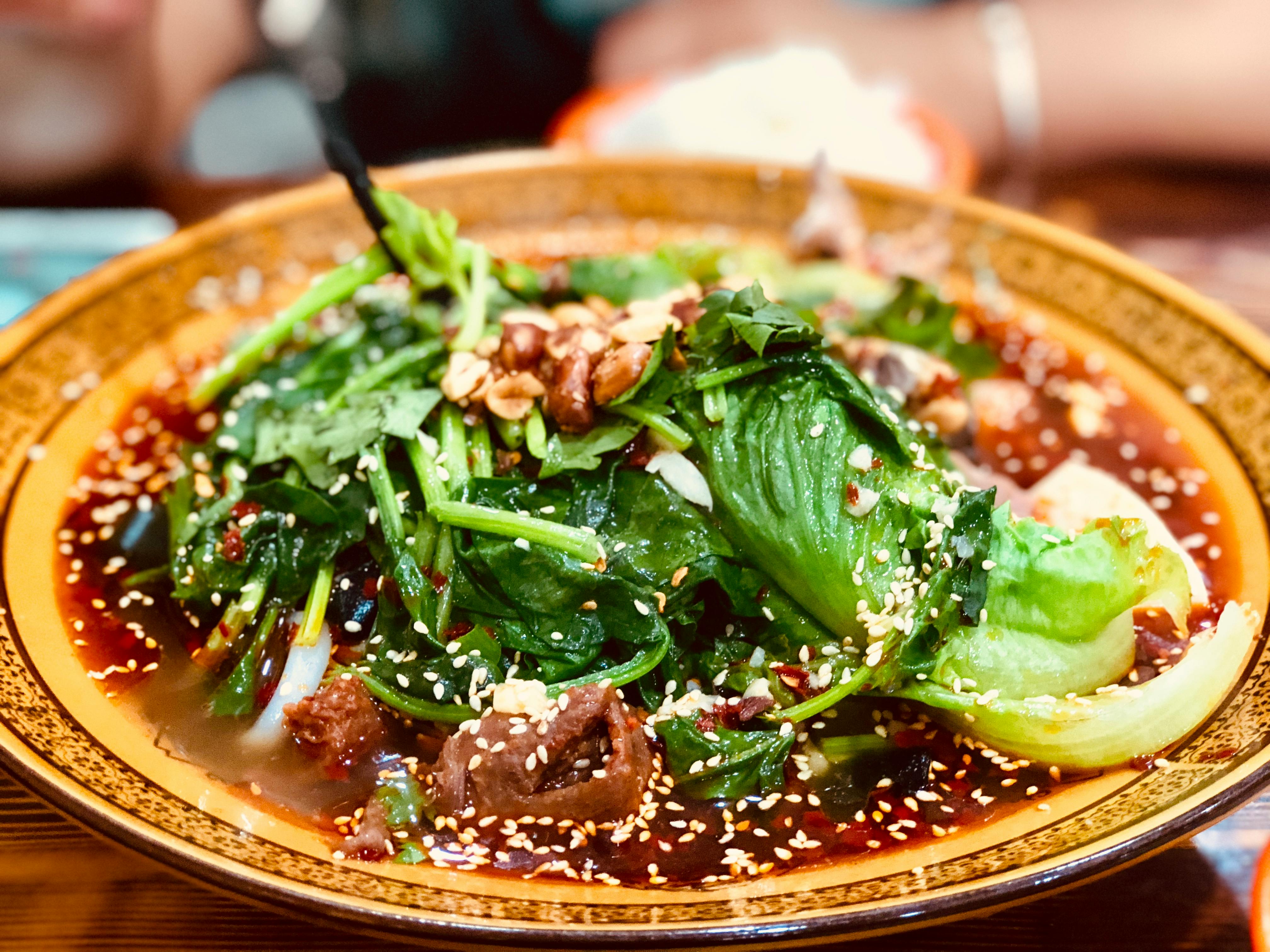
Zigong Cold Beef: The Science of High-Salinity Osmotic Dehydration and Micro-Shredding
Hailing from Zigong, Sichuan's historic salt capital famed for its fiery well-salt culinary traditions, Cold Beef (Lengbiansi) is a masterclass in osmotic dehydration and micro-texturing. Rejecting standard braising, this recipe uses mineral-rich well salt to create a powerful osmotic gradient, drawing out cellular fluids to tightly compress bovine hindquarter tenderloin bundles. After a brief poach with sand ginger and Sichuan peppercorns, the chilled beef is hand-sliced with extreme cleaver control into hair-like threads under half a millimeter thick. These fine 'silk strands' are tossed in a vibrant blend of ground chilis, numbing peppercorn powder, and aged dark soy sauce. Served chilled, it offers an intensely savory, wire-dry chew where spices cling beautifully to every fiber.
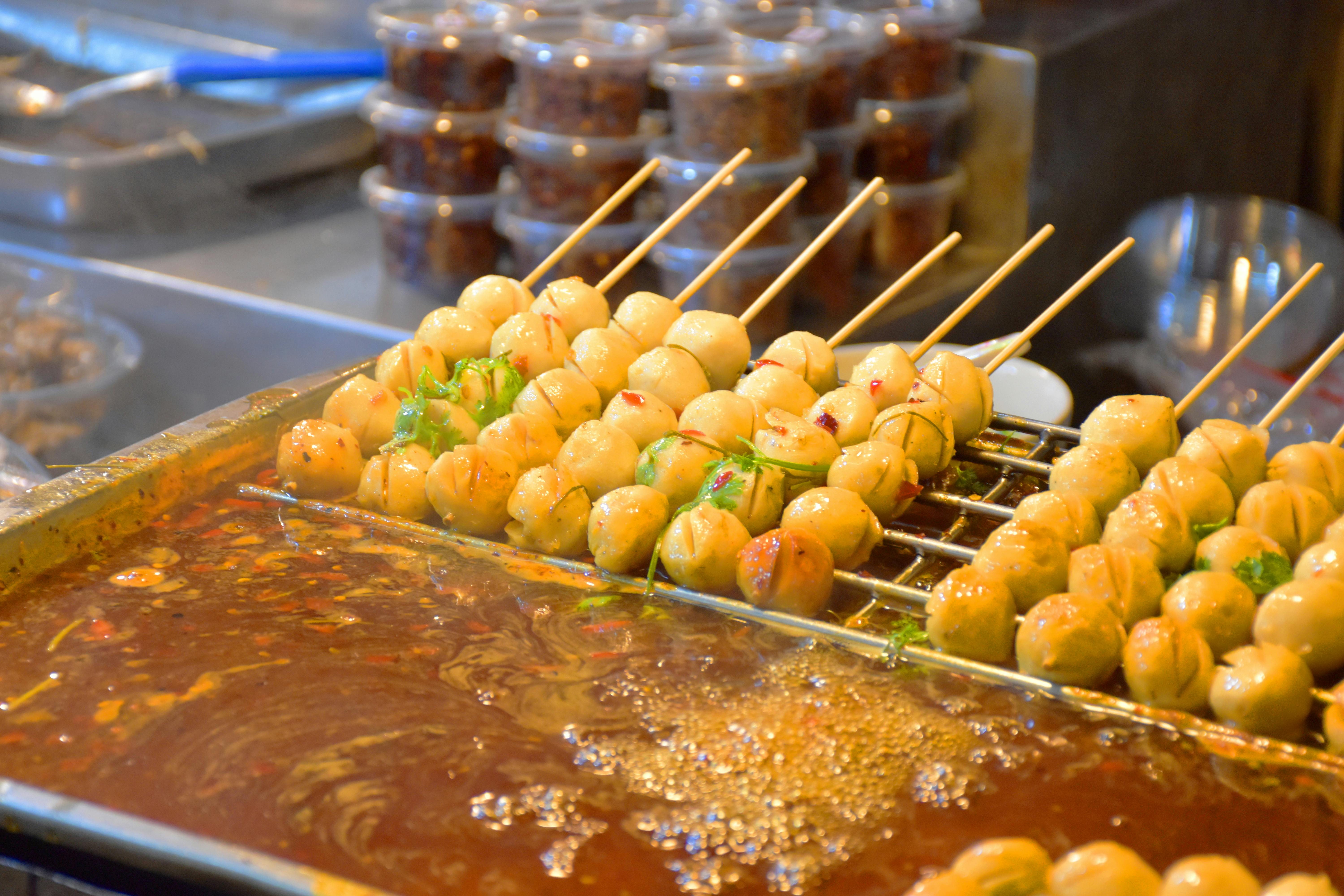
Fuzhou Fish Balls: Kinetic Myofibrillar Protein Denaturation and Molten Pork Encapsulation
Deeply anchored in Fujian's maritime culture, Fuzhou Fish Balls represent a triumph of structural biochemistry. These bouncy ivory spheres feature a springy fish-meat casing that completely seals a rich, molten minced pork core without relying on starch binders. Chefs manually scrape raw Spanish mackerel or conger eel flesh, beating it violently with flat iron padders for forty minutes in a wooden trough. This kinetic energy untangles myofibrillar protein chains, while ice-cold salt water dissolves them into a dense, sticky emulsion. The chef shapes this paste around a chilled sphere of seasoned pork belly before dropping it into warm water, triggering rapid heat-induced coagulation. The result is a rubbery outer snap followed by a spectacular eruption of hot savory broth.
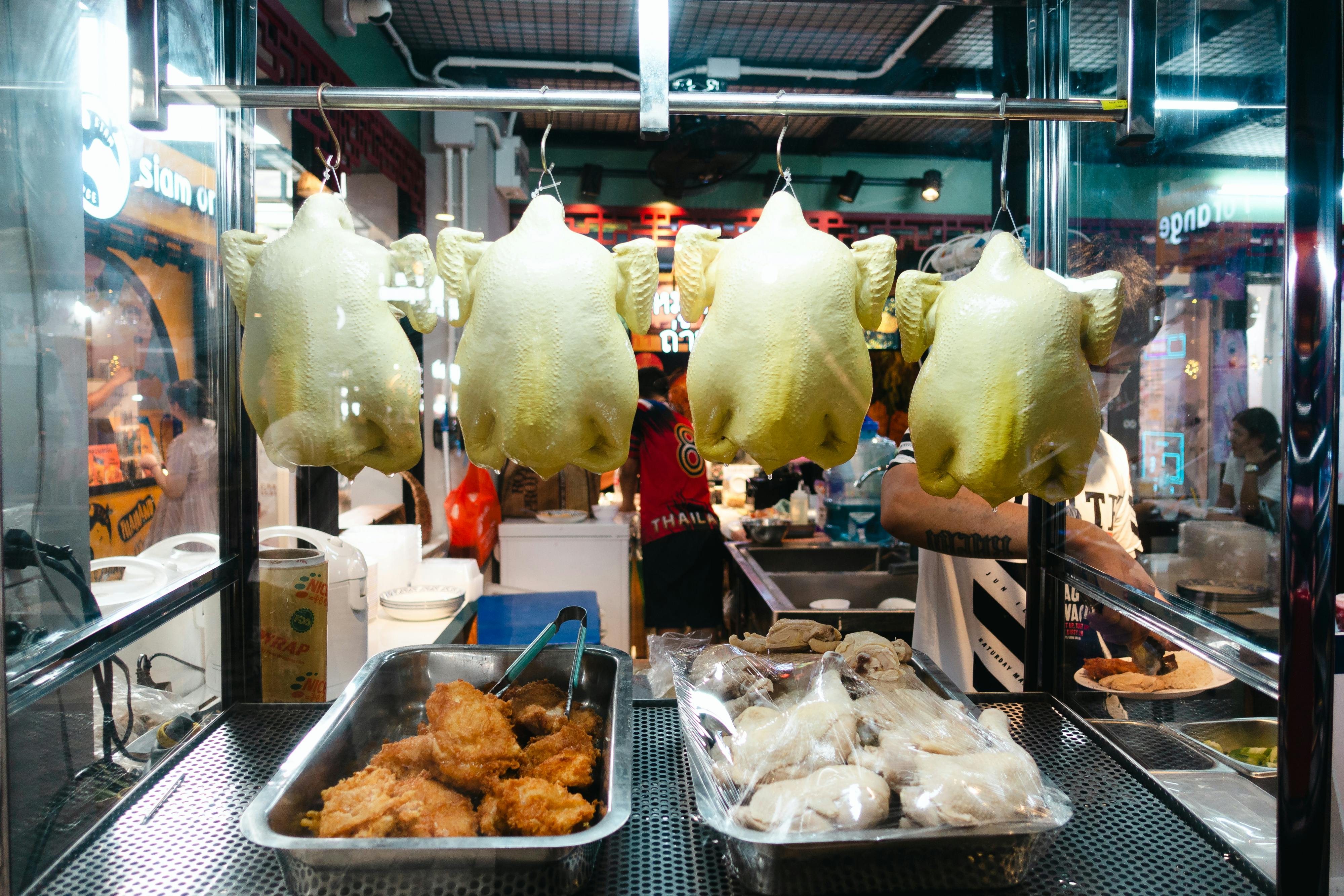
Nanjing Salted Duck: Precision Dry-Brining and Sub-Boiling Enzymatic Tenderization
Boasting a two-millennium legacy, Nanjing Salted Duck is an iconic monument to minimalist preservation and endogenous enzyme tenderization. Departing from high-heat roasting, this masterpiece uses hot, spice-toasted sea salt aggressively rubbed over a plump duck, creating an osmotic vacuum that expels gamey moisture. The bird is then submerged in an ancient, highly concentrated wet brine master liquor (Lao Lu) for four hours, triggering internal proteolysis where natural enzymes break down tough connective tissues into flavor-rich amino acids. After a 24-hour wind-drying stage, the duck undergoes a gentle, sub-boiling poach at exactly 85 to 90 degrees Celsius, ensuring fats do not boil out and leaving the rosy-pink meat incredibly succulent and aromatic.
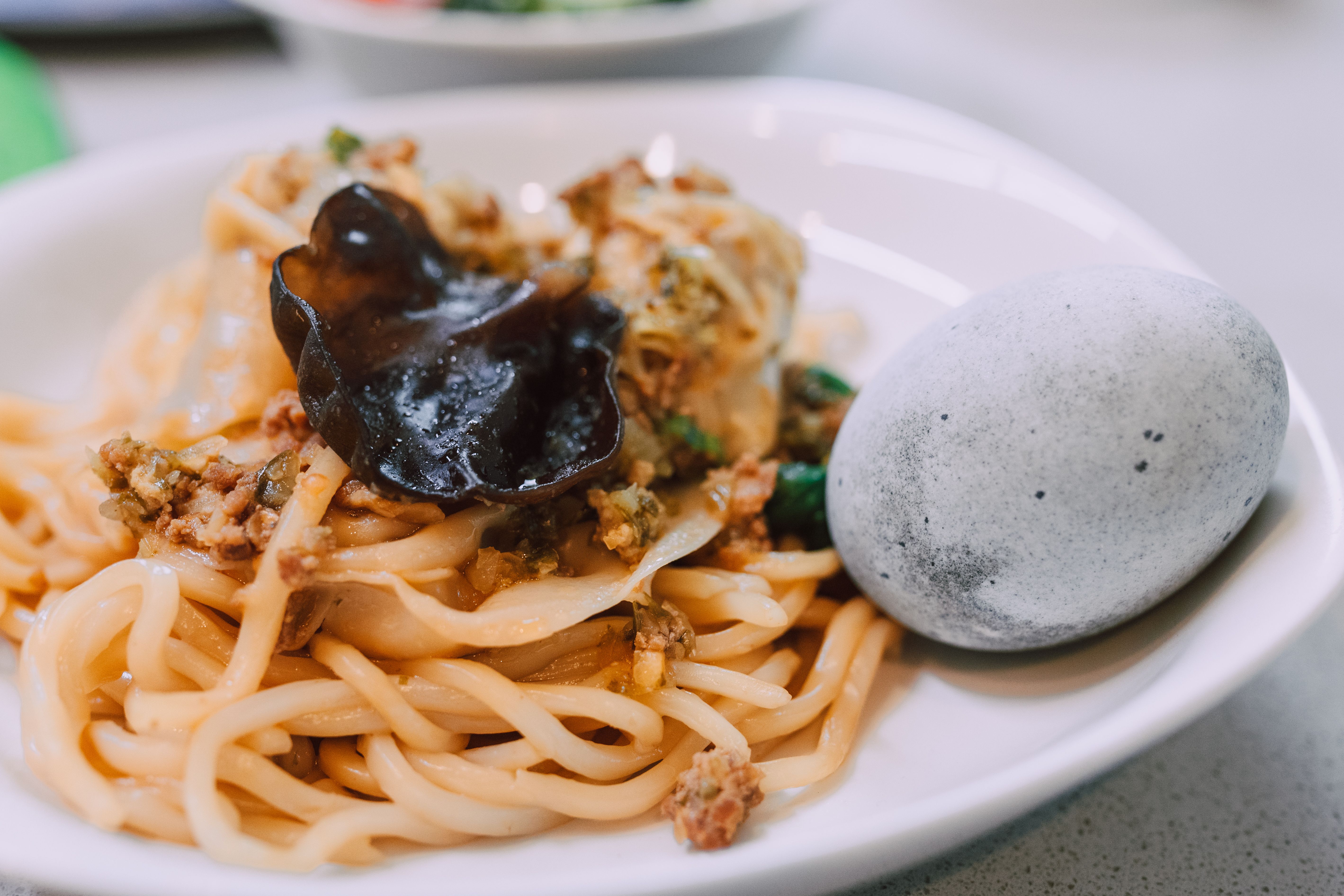
Comprehensive Biang Biang Noodles: Multi-Sauce Stratification and Lipid-Flash Aromatics
Elevating Shaanxi's hand-pulled wheat ribbons, this compilation showcases complex multi-sauce viscosity stratification and acid-fat emulsification. Atop the giant, high-gluten al dente wheat strands sit three contrasting toppings: a sweet-sour tomato scrambled egg gravy flashed in hot lard, a slow-braised minced pork belly sauce rich in fermented sweet bean paste, and raw central spices. Laid out with geometric precision in a massive bowl, the assembly is finalized by splashing 200-degree Celsius rapeseed oil directly over minced garlic and Shaanxi chili flakes. The thermal shock instant-cooks the aromatics, creating a glossy lipid bridge that emulsifies with the tomato starches and rich pork fats into a velvety crimson sleeve.
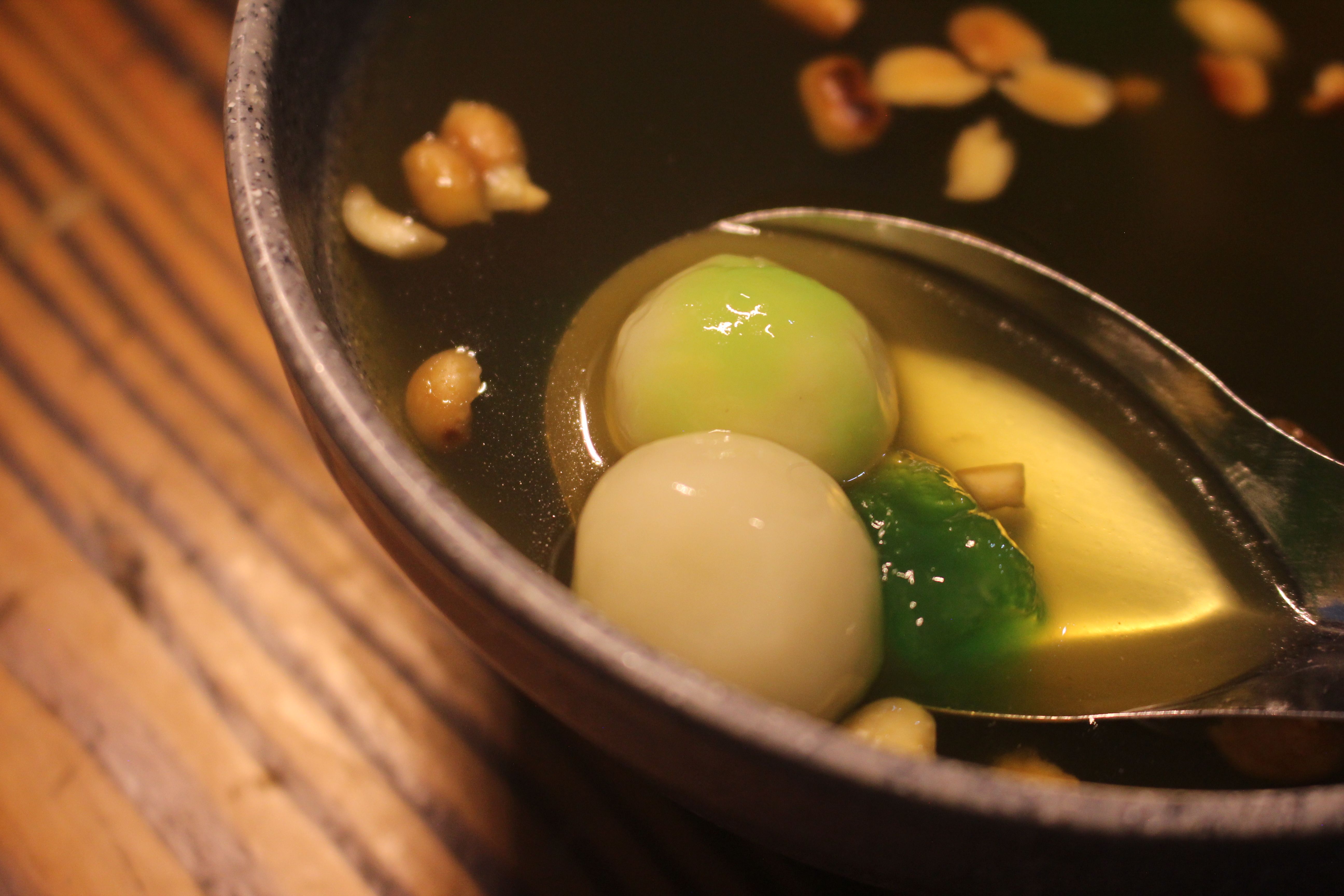
Ningbo Lard Tangyuan: High-Lipid Phase-Change Thermodynamics in Glutinous Rice Pastry
Deeply rooted in Jiangnan dessert heritage, Ningbo Lard Tangyuan are a sophisticated study in high-lipid phase-change thermodynamics. Floating like snowy pearls in sweet osmanthus broth, these dumplings feature a core that remains perfectly solid during assembly but transforms into a free-flowing molten magma when simmered. The filling blends micro-pulverized black sesame powder with premium pork back-fat (lard) from around the kidneys, kneaded at cold temperatures to act as a solid mechanical cement. Encased airtight in an amylopectin-rich water-milled glutinous rice dough, the firm fats melt completely at 45 degrees Celsius during cooking. Puncturing the chewy rice membrane releases a hot, velvety sesame eruption with an intensely rich lipid aroma.
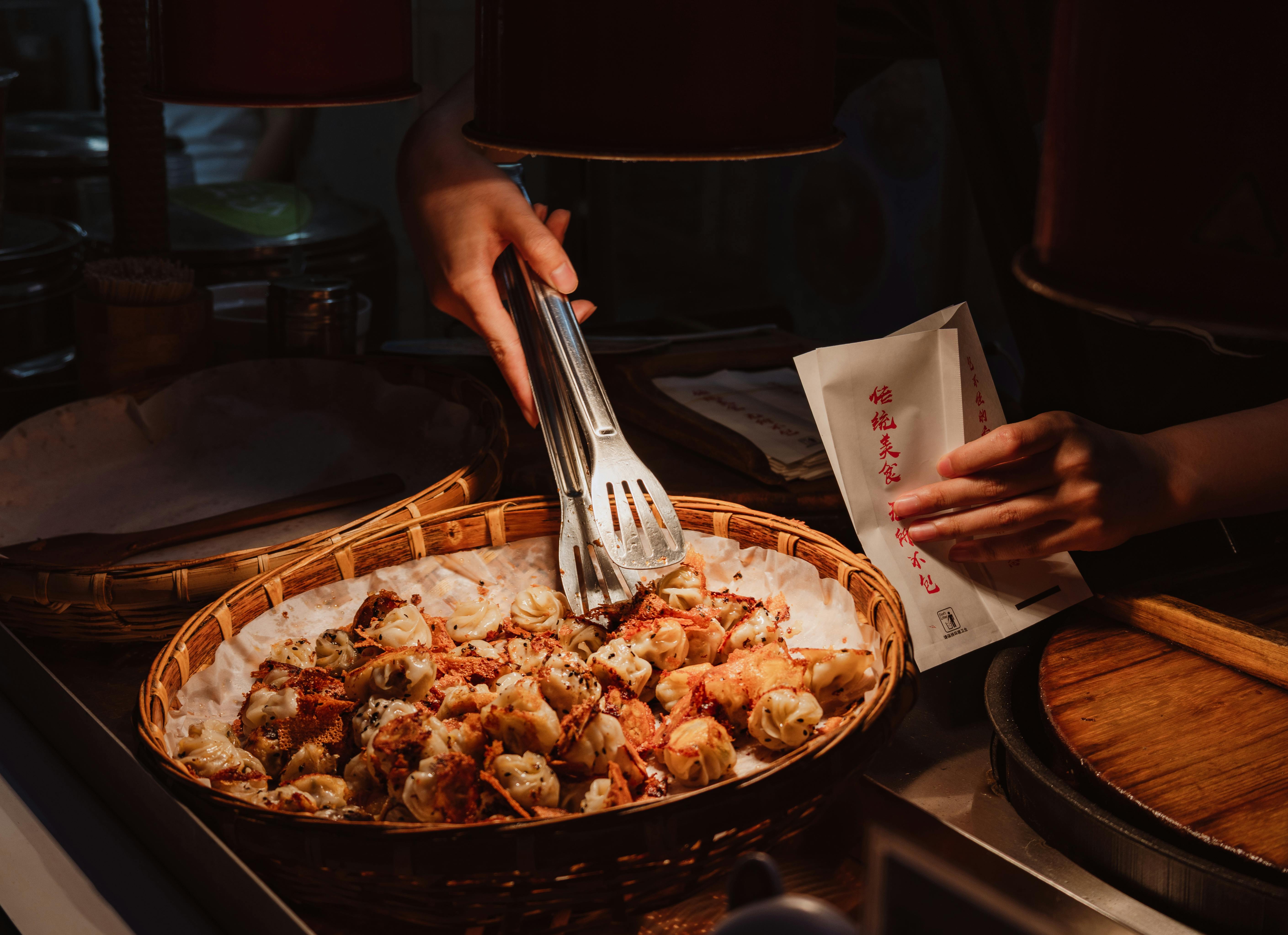
Chengdu Zhong Dumplings: Pure Protein Emulsification and Complex Red Soy Reduction
Established in 1893, Chengdu Zhong Dumplings represent a minimalist, ultra-concentrated approach to Southwestern Chinese pastry mechanics. Rejecting green vegetables or diluted broths, these pure pork dumplings rely on a tight gluten matrix rolled into thin wheat skins. The filling features premium pork leg pounded into a smooth paste and whipped with ginger water to extract myosin, forming a sticky, resilient emulsion. To prevent bursting, the dumplings are flash-boiled while being shocked with multiple additions of cold water. The dish's soul is its 'Red Soy Sauce' (Koutian Jiangyou), created by simmering light soy sauce with rock sugar, maltose, star anise, and aged tangerine peel for six hours into a viscous, bittersweet glaze that blends with Erjingtiao chili oil and raw garlic.
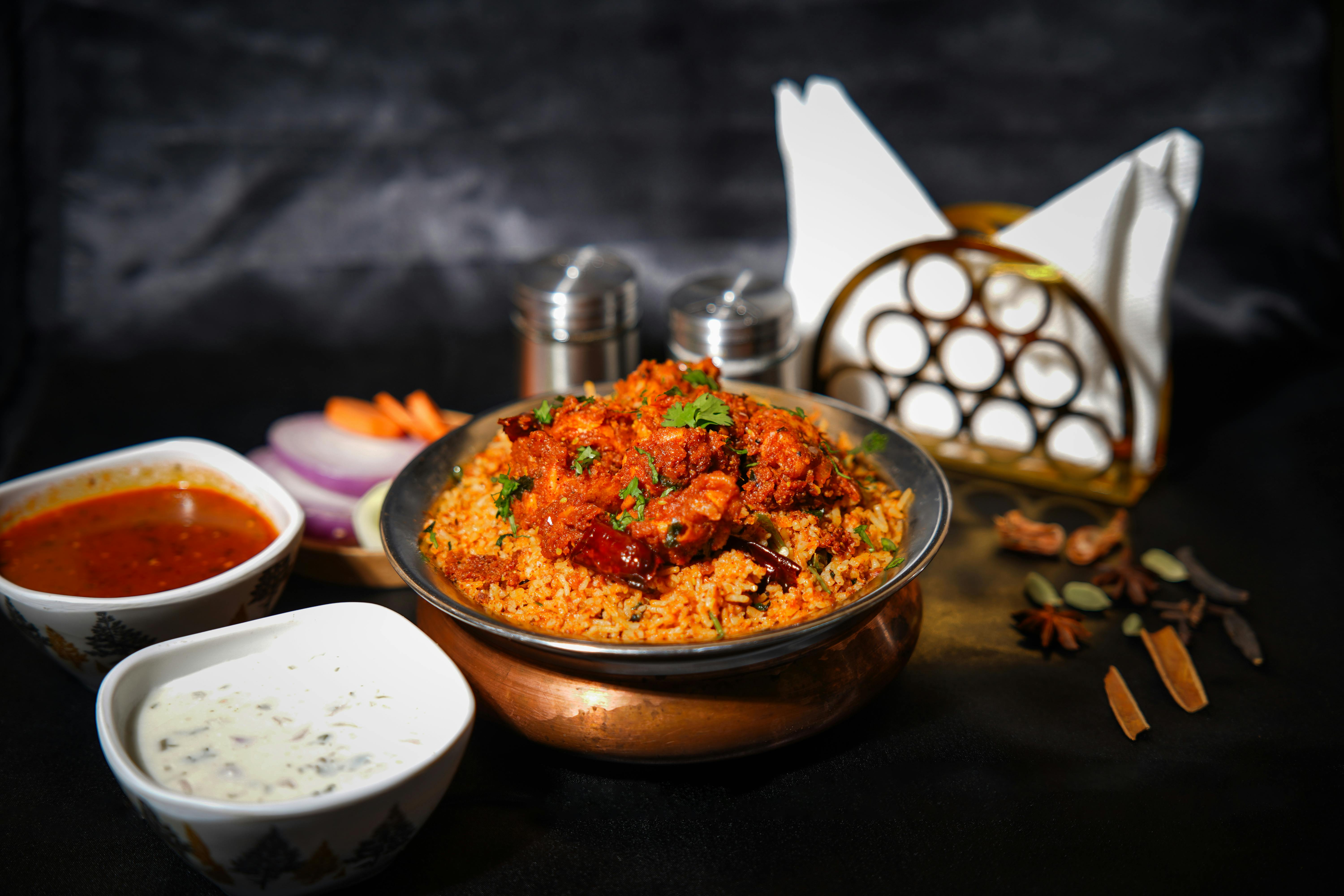
Guangzhou Claypot Rice: Starch Gelatinization and Lipid-Convection Rice Crust Architecture
Cantonese Claypot Rice (Bo Zai Fan) is a masterclass in low-oxygen thermal conduction and precision fat convection using unglazed terracotta vessels. Slender 'Silk Fowl' fragrant rice (Sima Mi) is pre-soaked to fully hydrate its starch cores, then placed in the clay pot with a touch of lard over a roaring open flame. The porous clay acts as a thermal buffer, ensuring complete starch gelatinization. Once surface water evaporates, premium Cantonese cured sausages (Lap Cheong) are arranged on top; the intense steam forces fat-soluble pork oils to drip down and saturate the grains. By continuously tilting the pot at 45 degrees over the flame and adding a final ring of peanut oil, a wafer-thin, shatteringly crisp golden crust (Fan Jiao) is forged against the clay walls.
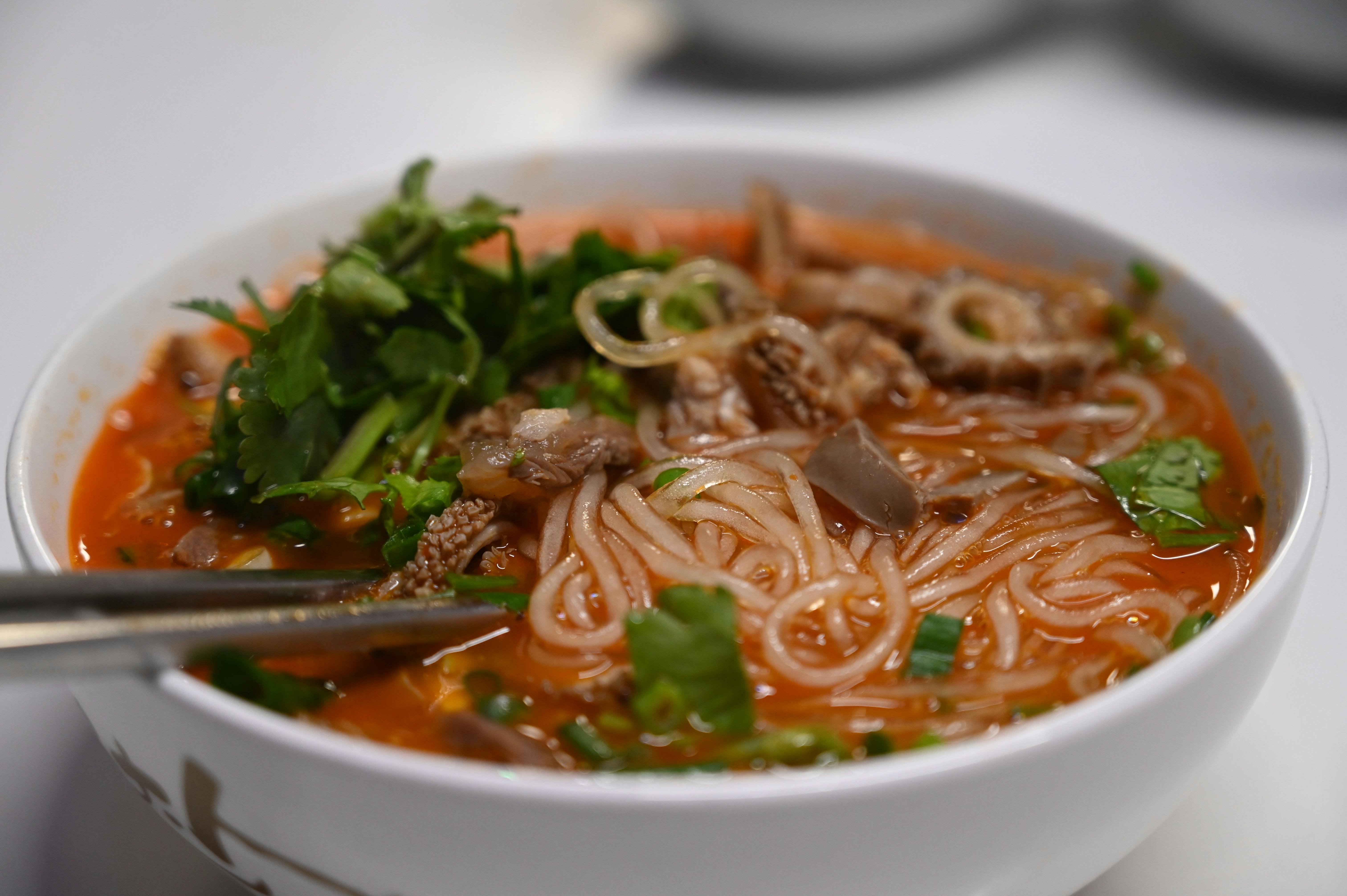
Guilin Rice Noodles: Lactic Acid Grain Fermentation and Viscous Multi-Spice Brine
Dating back over two thousand years, Guilin Rice Noodles (Mafen) showcase wild lactic acid fermentation and deep botanical extraction. High-quality rice grains are soaked in spring water for several days, initiating a lactobacillus fermentation that breaks down complex starches and yields a subtle, clean acidity before being extruded into silky, elastic threads. This dry-tossed dish completely rejects watery soups, relying instead on a pitch-black master brine (Lu Shui). The intense elixir is slow-simmered for 24 hours with pork marrow bones, aged hens, horse meat, and over thirty medicinal herbs like dried lo han guo and sand ginger. Tossed together with crispy beef, braised horse meat, and sour long beans, the noodles lock in a deeply aromatic glaze.
West Lake Vinegar Fish: The Hunger-Purged Starvation Protocol and Oil-Free Acid-Sugar Gel
Hailing from Hangzhou's imperial banqueting traditions, Xihu Cuyu is a polarizing masterpiece of ingredient purity and rapid starch gelatinization. A live grass carp undergoes a strict three-day 'hunger-purging' protocol in fast-flowing spring water, causing it to consume its own muddy fat deposits and eliminating all earthy aromas. Butterflied along the spine, the fish is gently poached at a sub-boiling 85 degrees Celsius for three minutes to keep the proteins fragile and crab-meat tender. In a separate wok, the poaching liquid is instantly boiled with Shanxi aged sorghum vinegar, sugar, and cornstarch slurry. The starches undergo high-velocity thickening, trapping the volatile acids into a mirror-like, oil-free mahogany glaze poured directly over the fish.
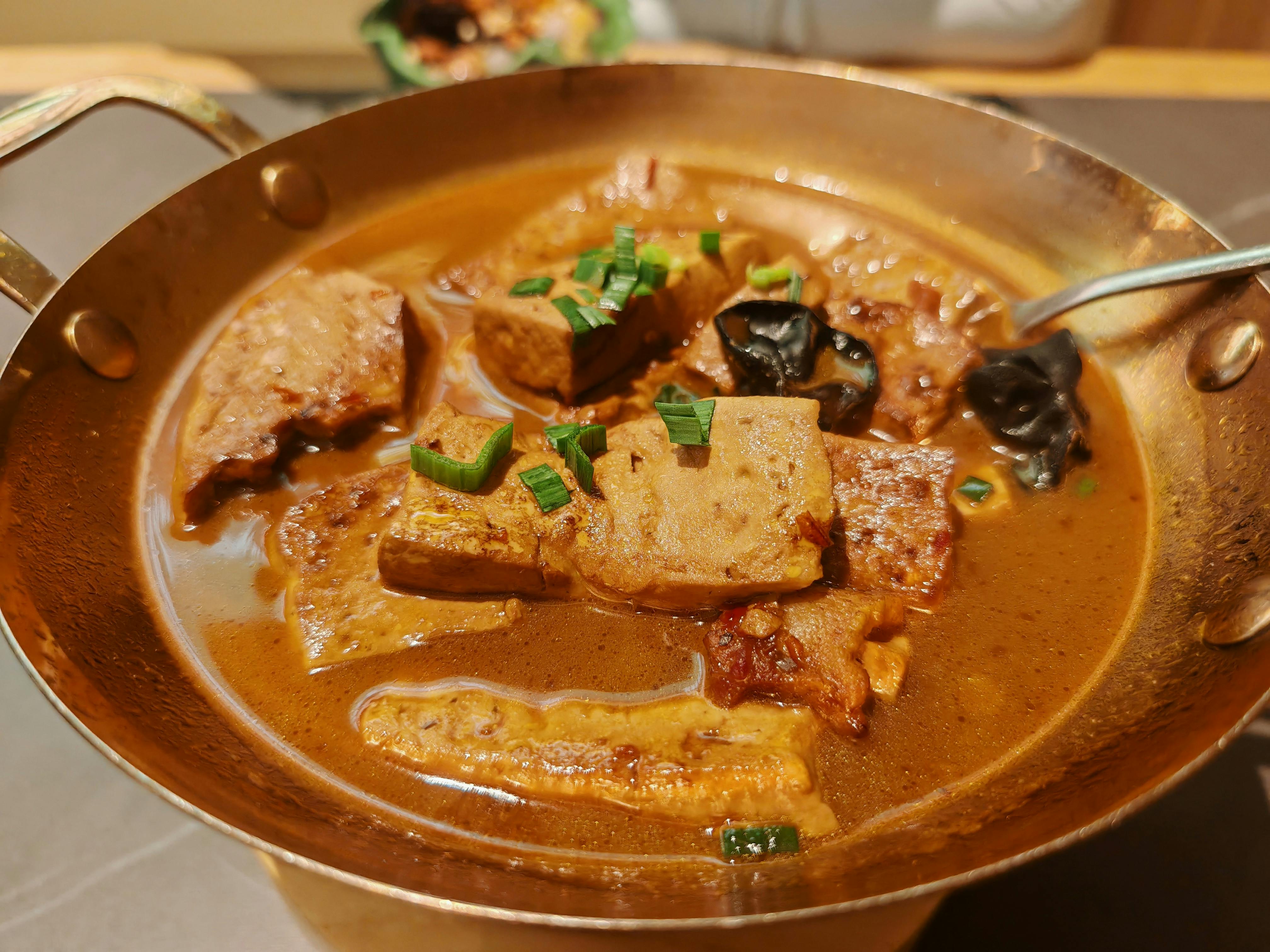
Chongqing Mao Xue Wang: Saturated Beef Tallow Oxidation and Volatile Capsaicin Flash-Frying
Born along the Yangtze River docks as a high-calorie survival food, Chongqing Mao Xue Wang is a high-intensity study in heavy animal lipid crystallization and multi-textural offal gastronomy. Massive blocks of unrefined beef kidney tallow are melted with rapeseed oil and slow-fried with Pixian doubanjiang, garlic, and wild spices, inducing deep lipid oxidation that locks capsaicin into the oil's molecular structure. Diluted with pork bone broth, this boiling magma is used to cook a rigid hierarchy of proteins, starting with silken duck blood curd (Xue Wang), followed by crunchy beef tripe (Mao Du) and pork aorta. The stew is finished with a 210-degree Celsius oil splash over raw chilis, triggering a smoky, capsaicin-loaded eruption.
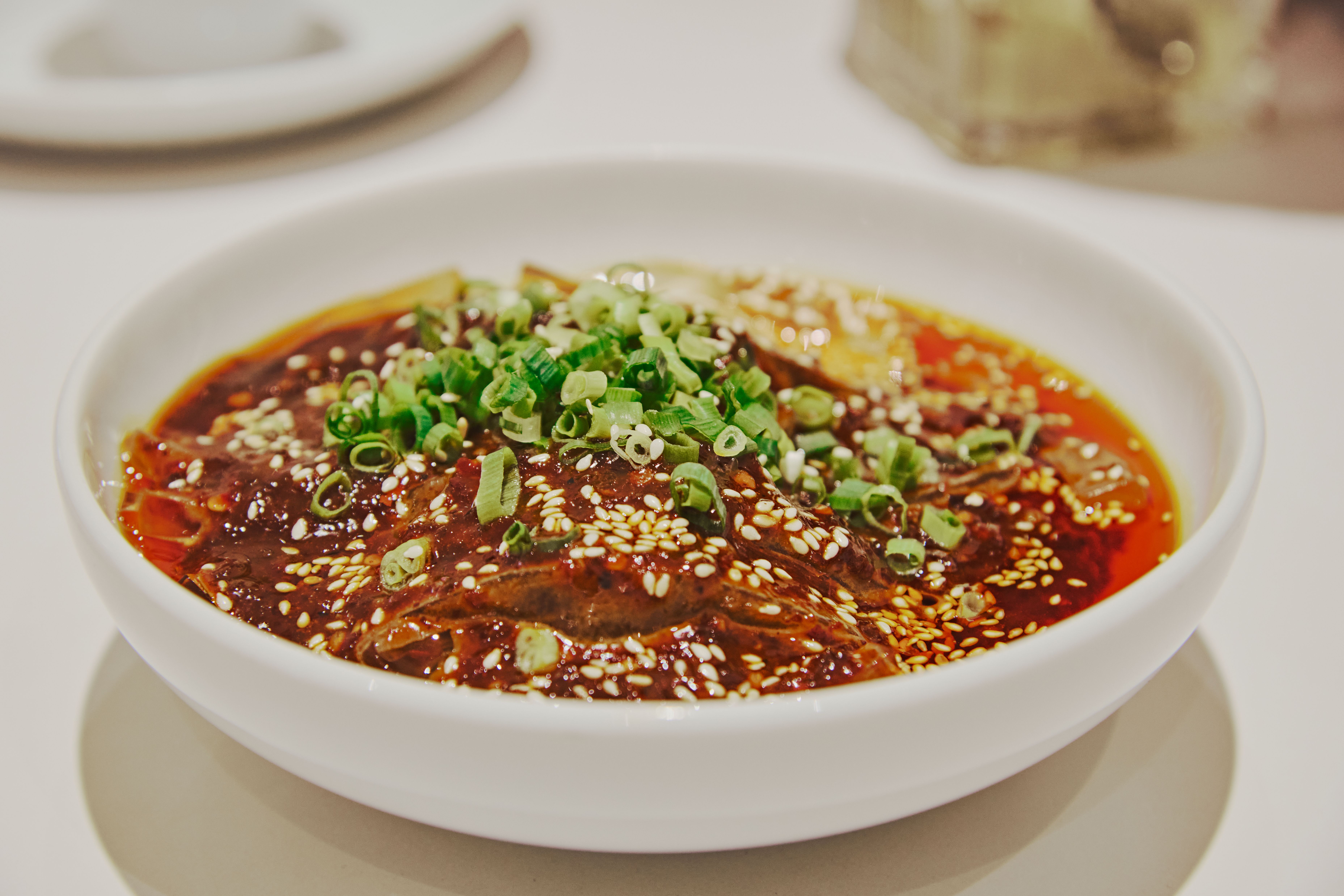
Chengdu Fuqi Feipian: Cold Collagen Cross-Linking and Multi-Phase Lipid Dressing Emulsification
Originating from Chengdu's 1930s street-vending culture, Fuqi Feipian is an elite exercise in cold offal texturing and precision lipid encapsulation. Tough, gelatinous bovine cuts—beef shank, tendon, heart, and omasum tripe—are poached separately in a highly concentrated, aromatic master brine (Lu Shui) infused with star anise, dark soy, and high-proof Baijiu until structurally tender. The defining step is cold-gelatinization: the hot offal is flash-chilled for twelve hours, forcing dissolved collagen and intramuscular proteins to rapidly cross-link into a resilient, elastomeric gel matrix that prevents tearing. Using a razor cleaver, the meats are carved against the grain into translucent sheets under one millimeter thick. This thin geometry ensures that when tossed with a viscous emulsion of cold master brine, roasted sesame paste, and aged vinegar, the sediment-rich Erjingtiao chili oil instantly forms a clingy, multi-tiered crimson sleeve over every ribbon.
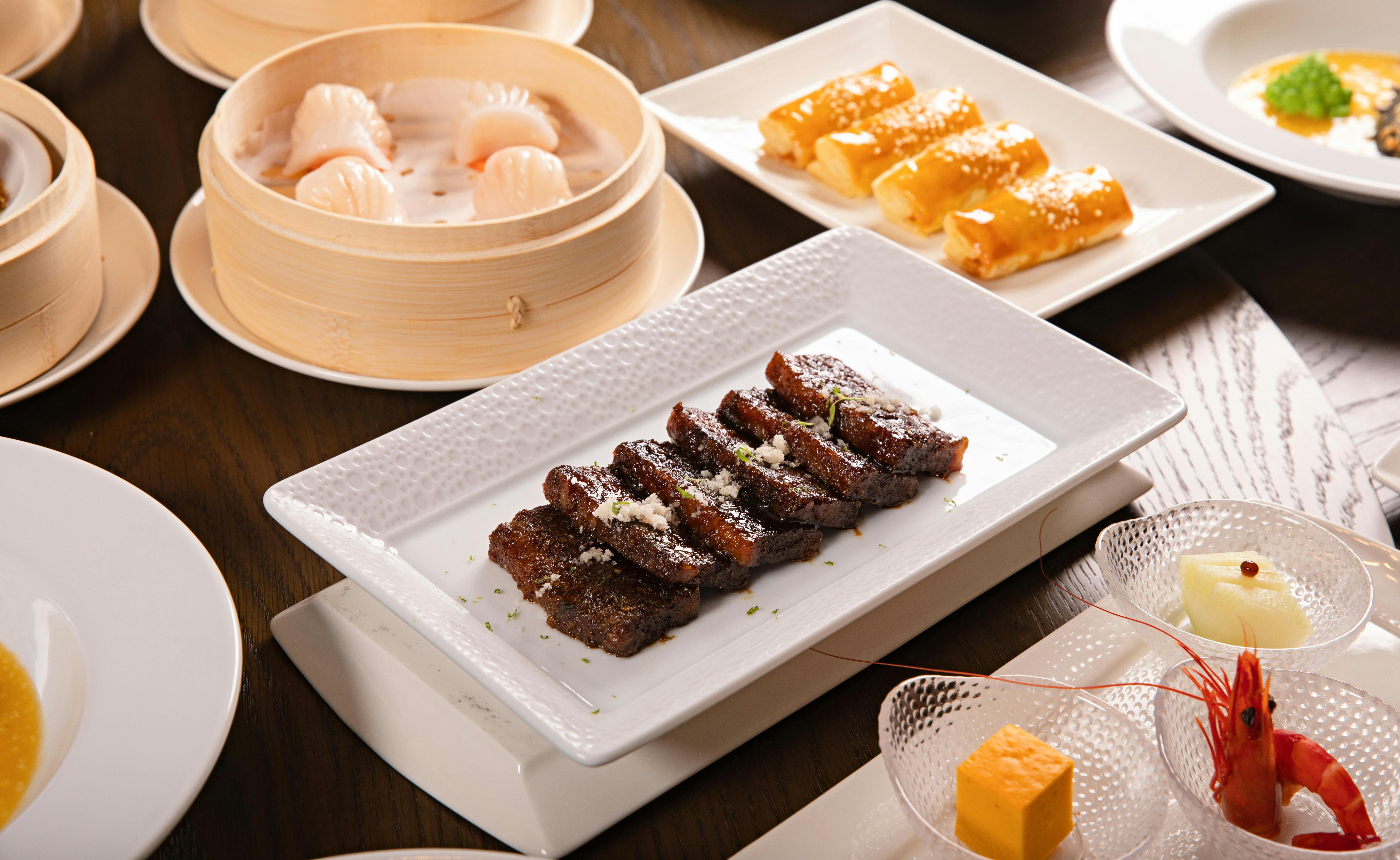
Guangzhou Siu Yuk: Dermis-Layer Micro-Puncturing and Subcutaneous Lipid-Blistering
A cornerstone of Cantonese Siu Mei rotisserie, Siu Yuk is a multi-stage engineering process designed to transform tough swine hide into a brittle, multi-blistered 'glass skin' (Bingpi) while retaining moisture in the underlying muscle. A five-layered pork belly slab is parboiled for three minutes to coagulate surface proteins. Then, during the critical puncturing phase, thousands of microscopic holes are hammered exclusively into the dermis layer; keeping the needles away from the lean meat prevents internal juices from leaking upward. These micro-punctures act as escape vents for heavy subcutaneous fats. After a 24-hour cold dehydration that turns the skin into parchment, the slab is blasted at a volcanic 230 degrees Celsius. The melting subcutaneous fat erupts through the punctures, deep-frying the skin from within and creating a shatteringly crisp air-blistered lattice.
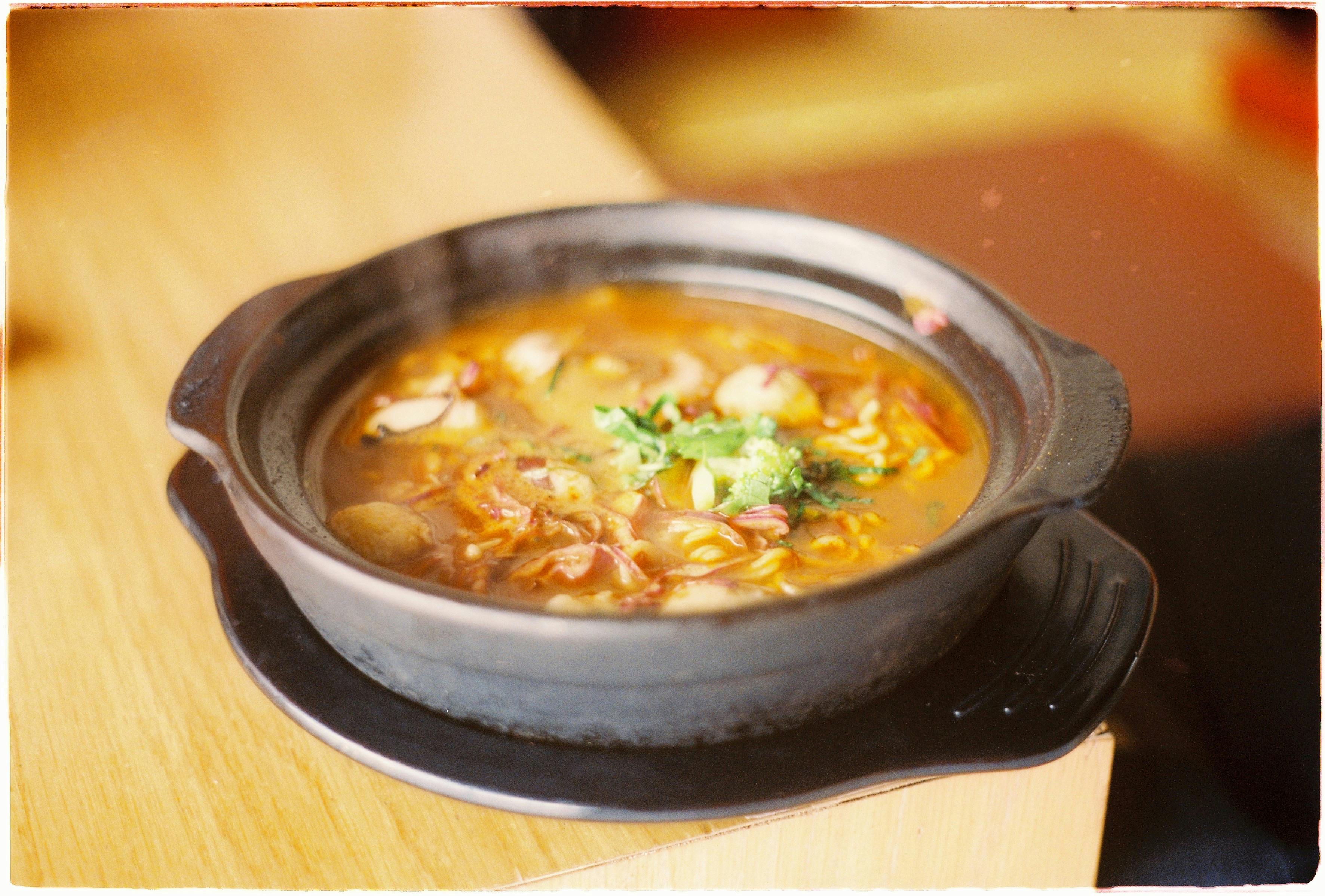
Henan Hula Tang: Automated Gluten-Starch Separation and Thermal Hydrocolloid Gelatinization
Dating back to the Tang and Song Dynasties, Henan Hula Tang achieves its signature velvety viscosity without industrial thickeners, relying instead on automated gluten-starch separation. A high-gluten dough is rested to align its protein chains, then rhythmically washed underwater for thirty minutes. This forces water-soluble starch granules to flush out into a milky suspension, leaving behind a sticky, pure protein mass known as live gluten (Mianjin). The gluten is torn and simmered with beef marrow bones and wood ear mushrooms for eight hours. Meanwhile, a sachet of over thirty pungent botanicals releases fat-soluble piperine and volatile oils into the hot broth. Finally, the reserved starch water is ladled back into the boiling cauldron, triggering rapid thermal gelatinization that locks the intense spice oils into a unified, silky hydrocolloid.
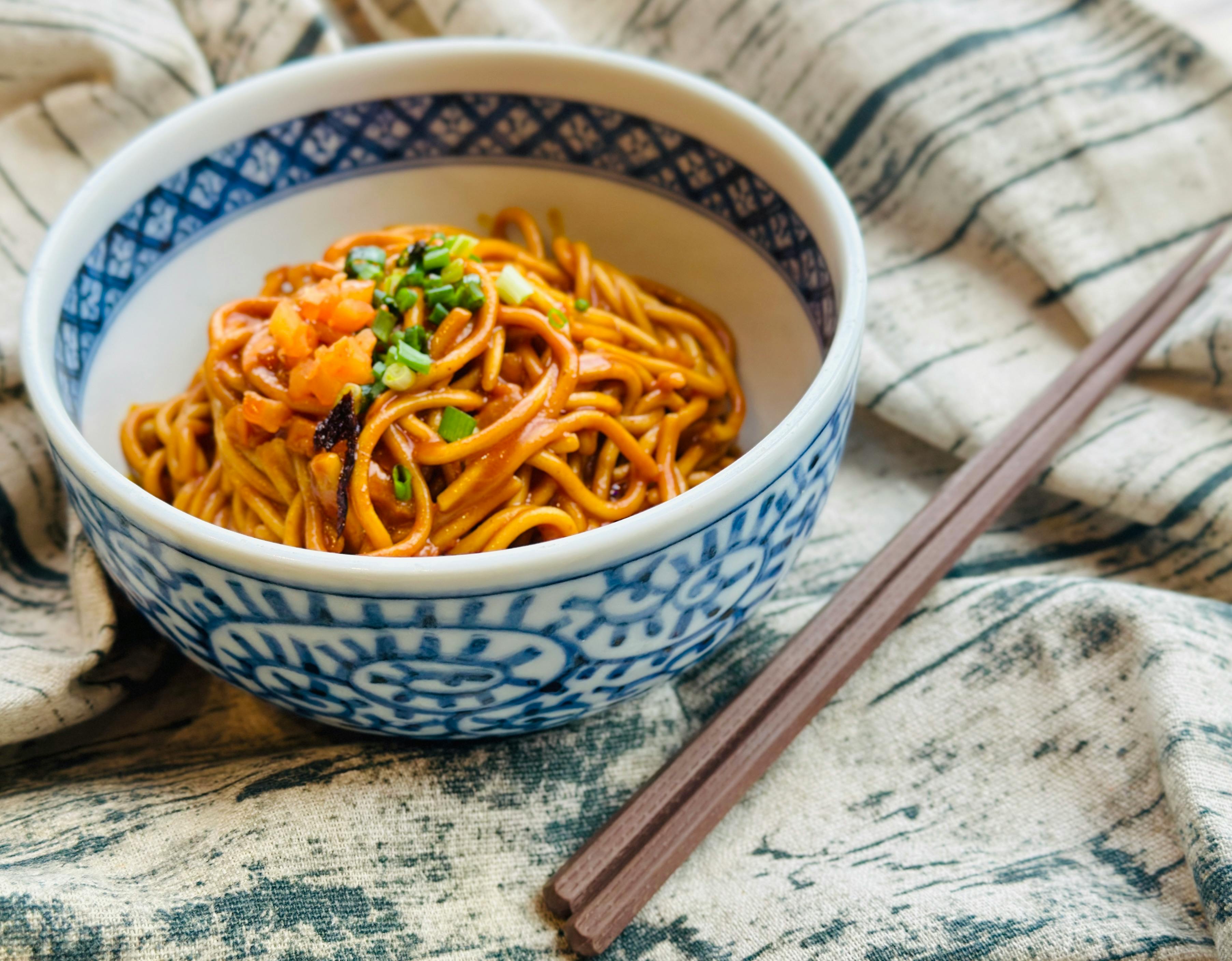
Chengdu Sweet Water Noodles: Low-Hydration Square Wheat Matrix and Reducing Sugar Caramelization
Chengdu's Sweet Water Noodles (Tianshui Mian) rely on heavy mechanical chewiness and a square-profile matrix designed to trap thick dressings. High-gluten wheat flour is bound with a minimal splash of cold water, creating an exceptionally low-hydration, stiff dough. Forcefully rolled and compressed for forty minutes, it develops a hyper-dense crystalline gluten structure before being cut into 8mm square ropes. Boiled briefly to preserve a firm, ungelatinized core (Jindaorou), the square noodles are paired with a 'Composite Red Soy Sauce'. This glaze is slow-simmered for six hours, driving thermal sugar reduction and Maillard reactions that transform sucrose and maltose into a syrupy, mahogany reduction. When mixed, the sharp edges of the square noodles act as natural scrapers, binding the viscous sugar glaze and Erjingtiao chili oil into a rich coat.
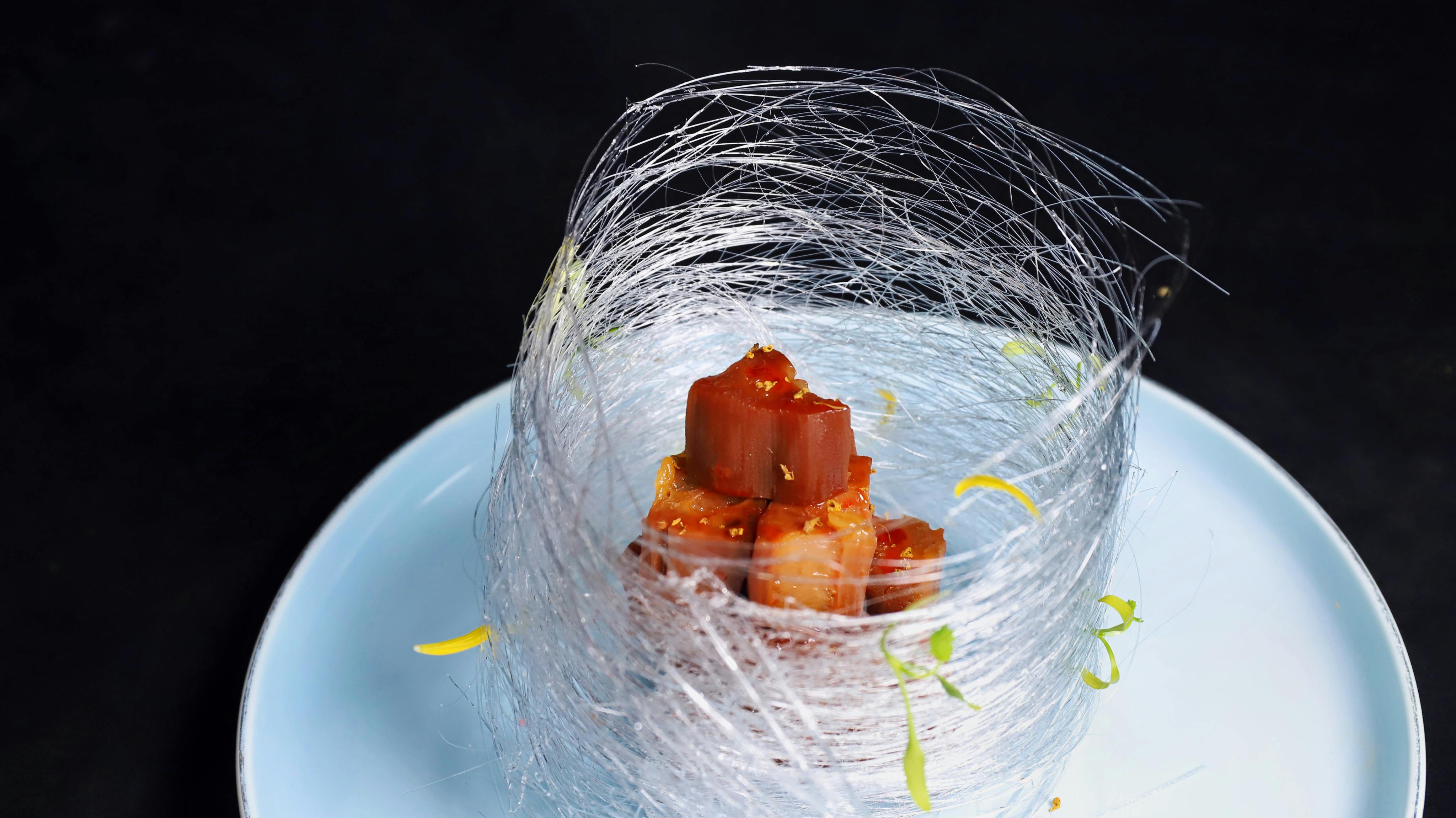
Shaoxing Anchang Pulled Sugar: Soft-Crack Sucrose Inversion and Kinetic Aeration Molecular Alignment
Preserved in the water-bound village of Anchang, this traditional confectionery craft utilizes high-temperature sugar inversion and kinetic aeration to transform molten syrup into snow-white, hollow tubes. Cane sugar, maltose, and spring water are boiled in copper cauldrons to exactly 145 degrees Celsius—the precise 'soft-crack' stage. This thermal environment triggers sucrose inversion, breaking the disaccharide down into glucose and fructose to prevent premature crystallization. The molten amber mass is cooled slightly, then looped over a wooden peg at a blistering 75 degrees Celsius. The artisan forcefully stretches and folds the mass over a hundred times; this high-velocity manual pulling drives millions of microscopic air bubbles into the sticky fluid, rapidly oxidizing and re-aligning the sugar molecules until the dark amber magically shifts into a brilliant, airy ivory solid.