Morning Nazm
Published on March 9, 2026
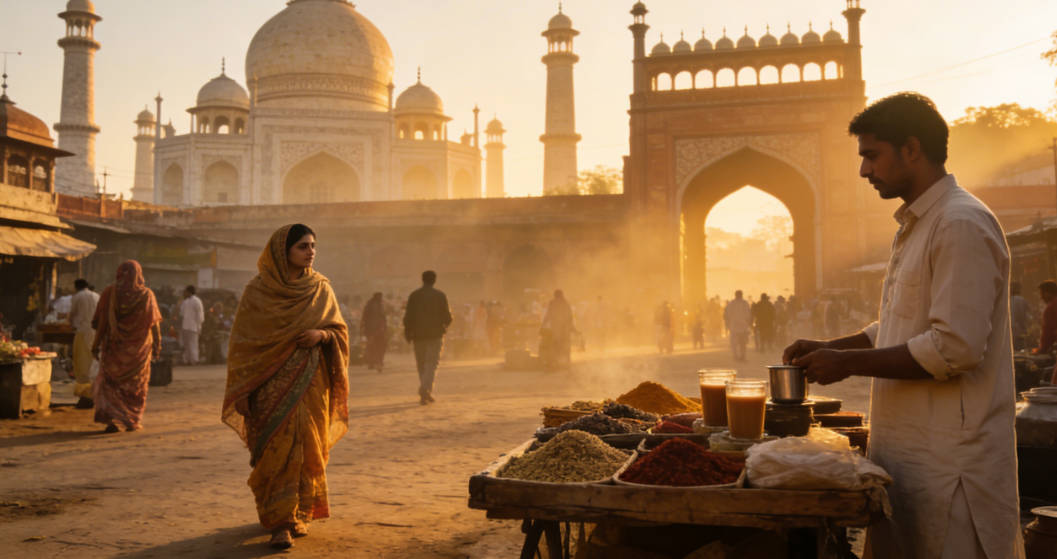
Original Urdu
صبح کی روشنی میں نیا دن آتا ہے
پرندوں کی آواز میں پیغام زندگی ہوتا ہے
پھولوں کی خوشبو میں خوشی کی لہر ہوتی ہے
نئی صبح نئی امیدیں لے کر آتی ہے
یہ نظم صبح کی ہے جو دل کو چھوتی ہے
یہ نظم زندگی کی ہے جو ہمیشہ گاتی ہے
Romanized
Subh ki roshni mein naya din ata hai
Parindon ki awaz mein paigham zindagi hota hai
Phoolon ki khushboo mein khushi ki lehar hoti hai
Nayi subh nayi umeedein le kar ati hai
Yeh nazm subh ki hai jo dil ko chhoti hai
Yeh nazm zindagi ki hai jo hamesha gati hai
English Translation
In the morning light, a new day arrives
In the voice of birds, there is a message of life
In the fragrance of flowers, there is a wave of joy
The new morning brings new hopes
This is a nazm of morning that touches the heart
This is a nazm of life that always sings
Poem Analysis
"Morning Nazm" celebrates the beauty and hope of a new day. The poem uses the nazm form, which is a free-verse style of Urdu poetry that allows for more natural expression compared to the strict ghazal form.
The poet captures the essence of morning through sensory details - the light, birdsong, and fragrance of flowers - creating a vivid picture of renewal and hope.
Morning Symbolism
Morning has been a powerful symbol in literature and culture for centuries, representing various themes and ideas:
- New Beginnings: Each morning represents a fresh start and opportunity for renewal.
- Hope: Morning brings new hope and possibilities for the day ahead.
- Awakening: Morning symbolizes the awakening of consciousness and awareness.
- Life and Vitality: Morning represents the energy and vibrancy of life.
- Light over Darkness: Morning triumph over night symbolizes good over evil.
- Productivity: Morning is often associated with work and achievement.
Famous Morning Poems
Urdu Poetry
- Allama Iqbal: "صبح کی روشنی میں نیا دن آتا ہے۔"
- Faiz Ahmed Faiz: "صبح کی ہوا میں نئی امیدیں ہیں۔"
- Ahmed Faraz: "صبح کے ساتھ محبت کی باتیں ہیں۔"
World Poetry
- Emily Dickinson: "Morning" - Celebrating the arrival of a new day.
- William Blake: "The Morning" - Exploring the beauty of dawn.
- Robert Frost: "Acquainted with the Night" - Contrast between morning and night.
- Walt Whitman: "Morning" - Celebrating the vitality of morning.
Morning Rituals and Traditions
Urdu and Indian Traditions
- فجر کی نماز: صبح کی نماز جو دن کی شروع ہوتی ہے۔
- صبح کی سیر: صبح کی ہوا میں چہل قدمی کرنا۔
- یوگا: صبح کے وقت یوگا کرنا۔
Romanized
- Fajr ki namaz: Subh ki namaz jo din ki shuruat hoti hai.
- Subh ki sair: Subh ki hawa mein chaal chalna.
- Yoga: Subh ke waqt yoga karna.
World Traditions
- Morning Meditation: Starting the day with meditation for clarity and peace.
- Exercise: Morning workouts for physical and mental health.
- Gratitude Practice: Beginning the day with gratitude for blessings.
- Journaling: Writing in the morning to clarify thoughts and goals.
- Healthy Breakfast: Starting the day with nutritious food.
The Nazm Form in Urdu Poetry
Nazm is a form of Urdu poetry that differs from ghazal in its structure and themes:
- Structure: Unlike ghazal with its couplets and radif, nazm has continuous verses with thematic unity.
- Themes: Nazm often explores philosophical, social, or narrative themes.
- Style: It allows for more flexibility and natural expression.
- History: Nazm became popular in the 19th and 20th centuries with poets like Hali and Iqbal.
- Modern Nazm: Contemporary poets continue to use nazm to express modern themes.
Morning Natural Phenomena
The morning is filled with fascinating natural phenomena that have inspired poets for centuries:
- Dawn: The gradual appearance of light before sunrise, creating a magical transition from night to day.
- Sunrise: The moment the sun appears above the horizon, symbolizing new beginnings.
- Morning Dew: Water droplets that form on surfaces overnight, creating a sparkling landscape.
- Birdsong: The chorus of birds that begins at dawn, creating a natural symphony.
- Morning Mist: The ethereal fog that often covers landscapes in the early morning.
- Morning Light: The soft, golden light that bathes the world at dawn, creating a unique atmosphere.
Morning in Different Cultures
Urdu and Indian Culture
- صبح کی نماز: اسلامی ثقافت میں فجر کی نماز دن کی شروعات ہے۔
- صبح کا تہوار: ہندو ثقافت میںصبح کو خوشی اور تازگی کا وقت سمجھا جاتا ہے۔
- صبح کا چائے: پاکستان اور ہندوستان میںصبح کا چائے ایک روایتی عمل ہے۔
Romanized
- Subh ki namaz: Islami taqat mein Fajr ki namaz din ki shuruat hai.
- Subh ka tehar: Hindu taqat mein subh ko khushi aur tazgi ka waqt samjha jata hai.
- Subh ka chai: Pakistan aur Hindustan mein subh ka chai ek riwayati amal hai.
World Cultures
- Japanese Culture: Morning tea ceremony (chado) is a ritual that emphasizes mindfulness and harmony.
- Chinese Culture: Morning tai chi and qigong are traditional practices for health and balance.
- European Culture: Morning coffee is a beloved tradition in many European countries.
- Native American Culture: Morning prayer and gratitude rituals to honor the new day.
- African Culture: Morning drumming and community gatherings to start the day.
Making the Most of Morning
Morning is often considered the most productive and energizing time of day. Here are ways to make the most of it:
- Early Rising: Waking up early to take advantage of the quiet, productive hours.
- Morning Routine: Establishing a consistent morning routine for structure and stability.
- Physical Activity: Exercising in the morning to boost energy and metabolism.
- Mindfulness: Practicing meditation or deep breathing to start the day with clarity.
- Goal Setting: Planning the day ahead to stay focused and productive.
- Healthy Breakfast: Fueling the body with nutritious food for sustained energy.
- Learning: Using morning time for reading or learning new skills when the mind is fresh.
- Nature Connection: Spending time outdoors to connect with nature and boost mood.
Morning in Literature
Morning has been a recurring theme in literature, symbolizing hope, renewal, and new beginnings:
- Charles Dickens: Often used morning to symbolize hope and redemption in his novels.
- Emily Bronte: Described the beauty of morning on the moors in "Wuthering Heights."
- Rabindranath Tagore: Celebrated morning as a time of spiritual awakening in his poetry.
- Maya Angelou: Used morning metaphors to represent resilience and new beginnings.
- Allama Iqbal: Wrote extensively about morning as a time of spiritual and intellectual awakening.
Themes
- New Beginnings: Each morning as a fresh start.
- Nature's Beauty: The morning as a time of natural beauty.
- Hope: New day bringing new possibilities.
- Life: Celebration of existence and vitality.
Literary Devices
- Imagery: Visual and sensory descriptions of morning.
- Personification: Morning bringing hopes and nazm singing.
- Parallelism: Similar structure in describing morning elements.
- Metaphor: Morning as a poem that touches the heart.
Nazm Quotes
Urdu
- "نظم آزاد نظم ہوتی ہے جو دل کی بات کہتی ہے۔"
- "صبح کی روشنی میں ہر دل امید سے بھر جاتا ہے۔"
- "نظم زندگی کا آئینہ ہوتی ہے۔"
Romanized
- "Nazm azaad nazm hoti hai jo dil ki baat kehti hai."
- "Subh ki roshni mein har dil umeed se bhar jata hai."
- "Nazm zindagi ka aaina hoti hai."
English
- "Nazm is free verse that speaks the heart's truth."
- "In the morning light, every heart fills with hope."
- "Nazm is a mirror of life."
Nazm Writing Tips
Urdu
- آزادی: نظم میں بندش نہیں ہوتی، آزاد لکھیں۔
- موضوع: ایک واضح موضوع منتخب کریں۔
- تصویر: زندہ تصاویر پیش کریں۔
- جذبات: دل کی گہرائی سے لکھیں۔
Romanized
- Azaadi: Nazm mein bandish nahi hoti, azaad likhein.
- Mauzoo: Ek wazeh mauzoo muntakhab karein.
- Tasweer: Zinda tasaweer paish karein.
- Jazbaat: Dil ki gehraai se likhein.
English
- Freedom: Nazm has no restrictions, write freely.
- Theme: Choose a clear subject.
- Imagery: Present vivid images.
- Emotions: Write from the heart's depth.