Sad Melody
Published on March 10, 2026
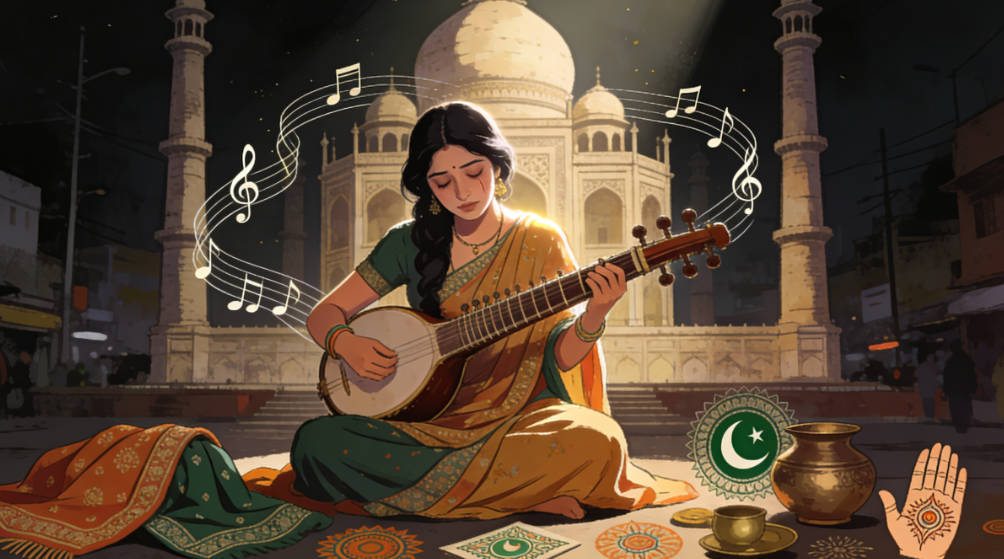
Original Urdu
غم کی آواز دل میں گونجتی ہے
درد کے سالے دل کو آزاد نہیں کرتے
یادوں کے پھولوں سے بھر جاتی ہے رات
غم کے سائے میں زندگی گزری ہے
یہ غم ایک راگ ہے جو دل بجاتا ہے
یہ غم ایک تحفه ہے جو زندگی دیتا ہے
Romanized
Gham ki awaz dil mein gunjti hai
Dard ke sale dil ko azaad nahi karte
Yaadon ke phoolon se bhar jati hai raat
Gham ke saaye mein zindagi guzri hai
Yeh gham ek raag hai jo dil bajata hai
Yeh gham ek tohfa hai jo zindagi deta hai
English Translation
The voice of sorrow echoes in the heart
The pangs of pain do not free the heart
The night is filled with the flowers of memories
Life has passed in the shadow of sorrow
This sorrow is a melody that the heart plays
This sorrow is a gift that life gives
Poem Analysis
"Sad Melody" explores the profound nature of sorrow in the human experience. The poem acknowledges the pain of grief while also recognizing its transformative power. In Urdu poetry, sadness is often elevated to an art form, seen not just as suffering but as a source of depth and wisdom.
The poet uses musical metaphors to convey the idea that sorrow has its own melody, a bittersweet harmony that enriches life's experience. The final couplet suggests that even sorrow is a gift that gives meaning to life.
Sadness in Literature
Sadness has been a central theme in literature across all cultures and time periods:
- Tragedy: Ancient Greek tragedies explored human suffering and its cathartic effect.
- Romanticism: The Romantic poets celebrated melancholy as a source of artistic inspiration.
- Urdu Poetry: Ghazal poetry often explores the pain of separation and loss as paths to spiritual depth.
- Modern Literature: Contemporary literature continues to explore sadness as a universal human experience.
- Melancholy as Art: The concept of "saqafat" in Urdu literature elevates refined sadness to an aesthetic experience.
The Psychology of Sadness
Sadness is a complex emotion with psychological significance:
- Emotional Processing: Sadness allows us to process loss and disappointment.
- Empathy: Experiencing sadness helps us connect with others who are suffering.
- Introspection: Sadness often leads to deeper self-reflection and insight.
- Creativity: Many artists channel sadness into creative works.
- Resilience: Working through sadness builds emotional strength.
- Connection: Shared sadness can strengthen relationships and community bonds.
Sadness in Different Cultures
Urdu and Indian Culture
- رنج: ہندوستانی ثقافت میں رنج کو روحانی ترقی کا ذریعہ سمجھا جاتا ہے۔
- غم: اردو شاعری میں غم کو محبت کی علامت سمجھا جاتا ہے۔
- فنا: صوفی روایت میں فنا کے ذریعے روحانی بیداری آتی ہے۔
Romanized
- Ranj: Hindustani taqat mein ranj ko rohani tarqi ka zariya samjha jata hai.
- Gham: Urdu shaeri mein gham ko mohabbat ki alamat samjha jata hai.
- Fana: Sufi riwaayat mein fana ke zariye rohani beydari aati hai.
World Cultures
- Japanese Culture: The concept of "mono no aware" celebrates the beauty of impermanence and transience.
- Russian Culture: Melancholy ("toska") is seen as a deep, spiritual emotion.
- Western Culture: Sadness is often viewed as something to overcome or fix.
- African Culture: Sadness is often expressed through music and communal rituals.
Healing from Sadness
- Acceptance: Allowing yourself to feel sad without judgment.
- Expression: Channeling sadness through creative outlets like writing or art.
- Connection: Sharing your feelings with trusted friends or family.
- Self-Care: Taking care of your physical and emotional needs.
- Professional Help: Seeking therapy when sadness becomes overwhelming.
- Mindfulness: Being present with your emotions without trying to change them.
- Gratitude: Finding moments of gratitude even in difficult times.
- Nature: Spending time in nature can help lift spirits.
Sadness and Creativity
There is a deep connection between sadness and creativity that has been recognized throughout history:
- Artistic Expression: Many artists use their sadness as fuel for creative work.
- Emotional Depth: Sadness can add depth and authenticity to creative expressions.
- Introspection: Sadness often leads to deep self-reflection, which can inspire creative insights.
- Universal Themes: Sadness is a universal human experience that resonates with audiences.
- Catharsis: Creating art can be a therapeutic way to process and release sadness.
- Transformation: Sadness can be transformed into something beautiful and meaningful through art.
Sadness in Art and Music
Urdu Music
- غزل: غزل میں غم اور اداسیت کا بہت اہم کردار ہے۔
- نظم: نظم بھی غم کی بات کرتی ہے اور دل کو چھوتا ہے۔
- قواwali: قوالی میں غم اور یادگاری کا جذبہ ہوتا ہے۔
Romanized
- Ghazal: Ghazal mein gham aur udaasiyat ka bohat aham kirdar hai.
- Nazm: Nazm bhi gham ki baat kerti hai aur dil ko chhota hai.
- Qawwali: Qawwali mein gham aur yaadgari ka jazba hota hai.
World Music
- Blues: Originated as an expression of sorrow and hardship.
- Classical Music: Many composers used music to express sadness and longing.
- Folk Music: Often tells stories of sorrow, loss, and resilience.
- Jazz: Can express deep melancholy through improvisation.
- Contemporary Music: Many popular songs explore themes of sadness and heartbreak.
The Philosophy of Sadness
Philosophers throughout history have contemplated the meaning and purpose of sadness:
- Aristotle: Viewed tragedy as a means of purging emotions through catharsis.
- Arthur Schopenhauer: Saw sadness as an inevitable part of the human condition.
- Friedrich Nietzsche: Believed that suffering and sadness are necessary for growth.
- Existentialists: Explore the relationship between sadness and freedom.
- Eastern Philosophies: View sadness as part of the natural cycle of emotions.
- Contemporary Philosophers: Examine the role of sadness in modern life.
Sadness and Empathy
Sadness plays an important role in developing empathy and compassion:
- Emotional Intelligence: Experiencing sadness helps us understand others' emotions.
- Compassion: Sadness can lead to greater compassion for others who are suffering.
- Connection: Shared sadness can create deep bonds between people.
- Altruism: Sadness can motivate acts of kindness and generosity.
- Perspective: Sadness can give us a deeper appreciation for joy and happiness.
- Wisdom: Overcoming sadness often leads to greater wisdom and understanding.
Themes
- Sorrow: The experience of deep sadness.
- Memory: The role of memories in grief.
- Transformation: How sorrow shapes our understanding of life.
- Melancholy: The poetic beauty of sadness.
Literary Devices
- Metaphor: Sorrow as a melody and a gift.
- Imagery: Night filled with memory flowers, shadow of sorrow.
- Personification: Sorrow speaking and giving life.
- Contrast: Pain and its redemptive qualities.
Sadness Quotes
Urdu
- "غم زندگی کو گہرا بناتا ہے۔"
- "درد کے بعد ہی سکون کا احساس ہوتا ہے۔"
- "غم کے درمیان ہی زندگی کی حقیقت سمجھائی دیتی ہے۔"
Romanized
- "Gham zindagi ko gehra banata hai."
- "Dard ke baad hi sukoon ka ehsas hota hai."
- "Gham ke darmiyan hi zindagi ki haqeeqat samjhai deti hai."
English
- "Sorrow deepens life."
- "Only after pain do we feel peace."
- "In the midst of sorrow, life's truth is revealed."
Coping with Sadness
Urdu
- عزت: اپنے غم کو عزت دیں، اسے مدبر نہ کریں۔
- ادب: غم کو شاعری کے ذریعے اظہار کریں۔
- دosti: دوستوں سے گفتگو کریں، ان سے اپنا دکھ بتائیں۔
- تسلی: طبیعی خوبصورتی سے لطف اٹھائیں۔
Romanized
- Izzat: Apne gham ko izzat dein, use madber na karein.
- Adab: Gham ko shaeri ke zariye izhar karein.
- Dosti: Doston se guftugu karein, un se apna dukh bataen.
- Tasalli: Tabii khubsurti se lutf uthayein.
English
- Respect: Respect your sorrow, don't suppress it.
- Art: Express sorrow through poetry and art.
- Friendship: Talk to friends, share your pain.
- Solace: Find comfort in natural beauty.