Eternal Rest
Published on March 10, 2026
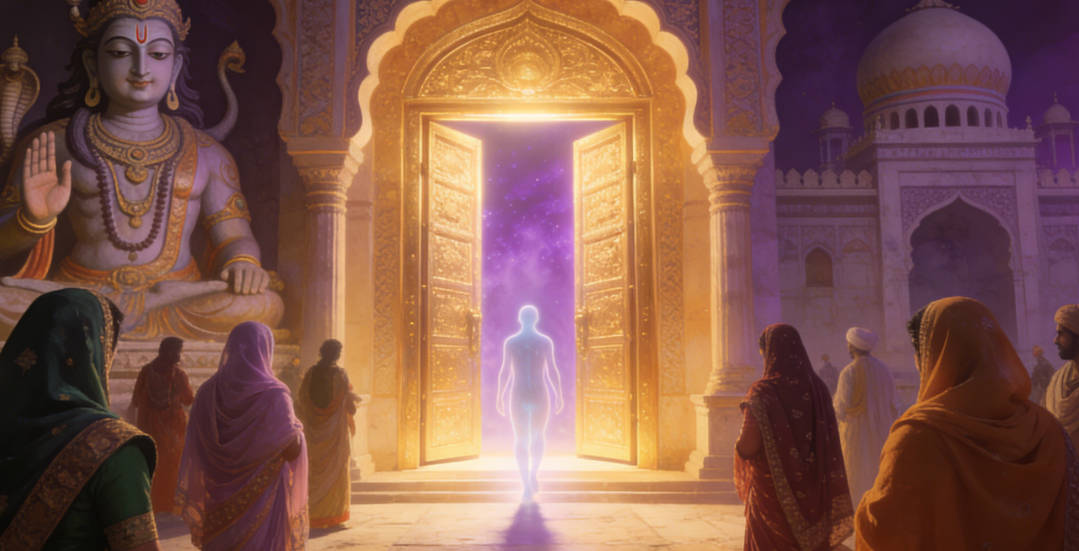
Original Urdu
موت ایک دروازہ ہے جس سے بہر永恒 ہے
یہ دنیا کے مشقتوں سے رہائی دیتا ہے
موت نہیں، ایک نئی شروعات ہے
یہ روح کو آزاد کرتا ہے
موت ایک سکون ہے جو زندگی میں نہیں ملتا
یہ永恒 کی طرف سفر ہے
Romanized
Maut ek darwaza hai jisey bahar abadi hai
Yeh duniya ke musiqton se rehai deta hai
Maut nahi, ek nai shuruat hai
Yeh rooh ko azaad karta hai
Maut ek sukoon hai jo zindagi mein nahi milta
Yeh abadi ki taraf safar hai
English Translation
Death is a door beyond which is eternity
It gives relief from the world's struggles
It is not death, but a new beginning
It frees the soul
Death is a peace not found in life
It is a journey towards eternity
Poem Analysis
"Eternal Rest" explores death from a spiritual perspective, presenting it not as an end but as a transition to a higher state of being. The poem challenges the common fear of death by portraying it as a release from worldly suffering and a gateway to eternal peace.
The structure of the poem moves from the concept of death as a door to its role as a liberator, culminating in the idea of death as a journey towards eternity. This perspective is deeply rooted in Sufi and Islamic traditions that view death as a natural part of the soul's journey.
Death in Different Religions and Belief Systems
Islamic Perspective
- آخرت: اسلامی عقیدے میں موت کے بعد آخرت ہے، جہاں انسان کا عملان کے مطابق جزا ملتا ہے۔
- قبر: موت کے بعد روح قبر میں رہتی ہے، جب تک قیامت نہ آجائے۔
- قیامت: سب کے اخر میں سب کو جیوتا ہوا دیکھا جائے گا اور ان کا حساب کیا جائے گا۔
Romanized
- Aakhrat: Islami aqeeday mein maut ke baad aakhrat hai, jahan insaan ka amlaan ke mutabiq jaza milta hai.
- Qabr: Maut ke baad rooh qabr mein rehti hai, jab tak qiyamat na aajaye.
- Qiyamat: Sab ke akhir mein sab ko jiyota hua dekha jayega aur un ka hisaab kiya jayega.
Other Religious Perspectives
- Christianity: Believes in resurrection and eternal life through faith in Jesus Christ.
- Hinduism: Believes in reincarnation based on karma, with the ultimate goal of moksha (liberation).
- Buddhism: Sees death as part of the cycle of samsara, with the goal of achieving nirvana.
- Judaism: Emphasizes the importance of life on earth and the promise of a world to come.
- Sikhism: Believes in reincarnation and union with God through righteous living.
Death in Literature and Art
Death has been a central theme in literature and art throughout history:
- Ancient Literature: Epic poems like the Iliad and Odyssey explore mortality and the afterlife.
- Medieval Literature: Works like Dante's Divine Comedy depict the afterlife in vivid detail.
- Renaissance Literature: Shakespeare's plays often confront themes of death and mortality.
- Romantic Literature: Poets like Keats and Shelley wrote about death as a transcendental experience.
- Modern Literature: Authors like Kafka and Sartre explore existential aspects of death.
- Visual Art: Paintings and sculptures throughout history have depicted death and the afterlife.
- Music: Requiem masses and funeral music express grief and transcendence.
The Philosophy of Death
Philosophers have long contemplated the meaning and significance of death:
- Socrates: Viewed death as either a dreamless sleep or a journey to the afterlife.
- Epicurus: Argued that death should not be feared since we cannot experience it.
- Seneca: Advocated preparing for death as part of living a virtuous life.
- Martin Heidegger: Explored death as a defining aspect of human existence.
- Albert Camus: Examined the absurdity of death in an indifferent universe.
- Jean-Paul Sartre: Saw death as limiting human freedom and defining existence.
- Contemporary Philosophers: Explore death's impact on meaning-making and ethics.
Death and the Meaning of Life
Death plays a crucial role in shaping our understanding of life:
- Mortality: Awareness of death gives life urgency and meaning.
- Appreciation: The inevitability of death encourages us to appreciate life's moments.
- Legacy: Death prompts us to consider what we leave behind.
- Values: Confronting death helps clarify our core values and priorities.
- Connection: Shared mortality binds humanity together.
- Growth: Facing death can lead to personal growth and transformation.
Grief and Mourning
Grief is a natural response to loss, and different cultures have unique ways of mourning:
Urdu and Indian Traditions
- جنازہ: مسلمانوں میں موت کے بعد جنازہ نماز پڑھی جاتی ہے۔
- چیند رات: بعض علاقوں میں چیند رات تک سوگ منایا جاتا ہے۔
- قبرستان: مارہنے والے کے قبر پر چہارشنبہ اور مہرام میں زیادہ لوگ آتے ہیں۔
Romanized
- Janaza: Musalmanon mein maut ke baad janaza namaz parhi jati hai.
- Chand raat: Baaz ilaqon mein chand raat tak sog manaya jata hai.
- Qabristan: Marhne wale ke qabur par chaharshamba aur mahram mein ziyada log ate hain.
World Traditions
- Western Traditions: Funerals, wakes, and memorial services.
- Eastern Traditions: Ancestor worship and rituals to honor the deceased.
- Indigenous Traditions: Ceremonies that connect the living with the dead.
- Modern Approaches: Celebrations of life and personalized memorials.
Facing Mortality
Learning to face our mortality can lead to a more meaningful life:
- Acceptance: Acknowledging death as a natural part of life.
- Preparation: Making practical and emotional preparations for death.
- Living Fully: Embracing each moment with presence and intention.
- Legacy: Creating a meaningful legacy through actions and relationships.
- Connection: Deepening relationships and expressing love to others.
- Spiritual Practice: Engaging in practices that provide comfort and perspective.
- Gratitude: Cultivating appreciation for the gift of life.
Themes
- Death as Transition: Death as a door to another realm.
- Spiritual Liberation: The soul being freed from physical constraints.
- Eternal Life: The belief in life beyond death.
- Peace: Death as a source of ultimate peace.
Literary Devices
- Metaphor: Death as a door, journey, and new beginning.
- Contrast: Worldly struggles vs. eternal peace.
- Personification: Death as a liberator.
- Symbolism: Door representing transition.
Death Quotes
Urdu
- "موت دنیا کا سب سے بڑا سکون ہے۔"
- "موت ایک نئی زندگی کا آغاز ہے۔"
- "روح ہمیشہ زندہ رہتی ہے، جسمانی موت صرف ایک تبدیلی ہے۔"
Romanized
- "Maut duniya ka sab se bara sukoon hai."
- "Maut ek nai zindagi ka aaghaz hai."
- "Rooh hamesha zinda rehti hai, jismani maut sirf ek tabdeeli hai."
English
- "Death is the greatest peace in the world."
- "Death is the beginning of a new life."
- "The soul lives forever, physical death is just a change."
Reflections on Mortality
Urdu
- تایید: موت کو ایک قدرتی عمل سمجھیں۔
- پرہیز: duniaوی چیزوں سے اپنا جذبہ کم کریں۔
- استغفار: اپنے گناہوں سے مستقل پھرے بھجو۔
- محبت: ہر کسی سے محبت کریں، دنیا بہت چھوٹی ہے۔
Romanized
- Tayyid: Maut ko ek tabii amal samjhein.
- Parhez: Duniavi cheezon se apna juzba kam karein.
- Istighfar: Apne gunahon se mustaqil phere bhejo.
- Mohabbat: Har kisi se mohabbat karein, duniya bohat chhoti hai.
English
- Acceptance: Understand death as a natural process.
- Detachment: Reduce attachment to worldly things.
- Repentance: Continuously seek forgiveness for sins.
- Love: Love everyone, the world is very small.